2026 Ebola Outbreak: 26% Case-Fatality Rate Compared to Past Strains
The current Ebola outbreak in DRC and Uganda has a 26% case-fatality rate, lower than past Zaire strain outbreaks but with no approved vaccine for Bundibugyo virus.
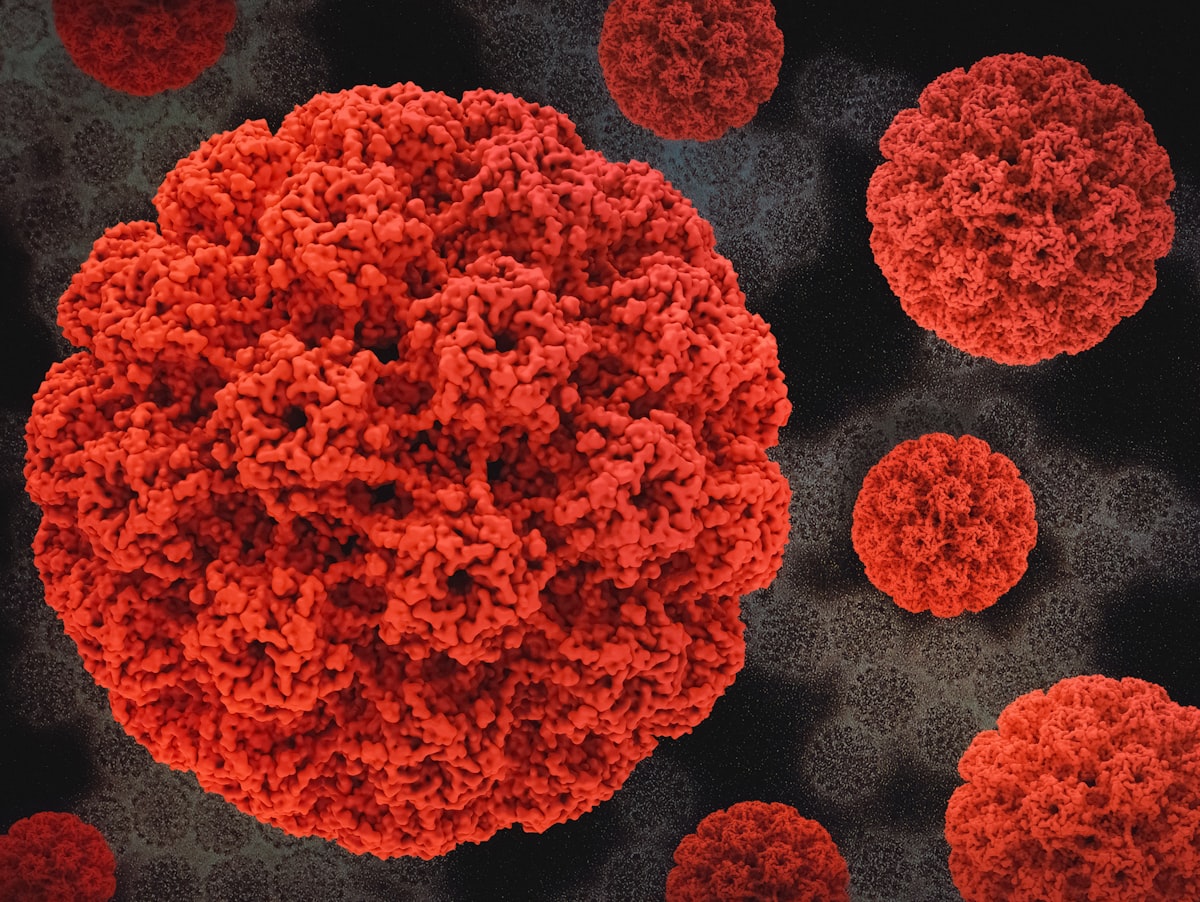
It's spreading. The 2026 Ebola outbreak now moving across the Democratic Republic of the Congo and Uganda has a confirmed case-fatality rate of approximately 26 percent as of late June, so roughly one in four confirmed patients have died. But this is now the third-largest Ebola outbreak ever documented globally, trailing only the catastrophic 2014-2016 West Africa epidemic and the 2018-2020 DRC outbreak, with more than 1,100 total cases. How concerned should we be? Comparing this death rate with past outbreaks helps gauge the severity for those directly affected in DRC and Uganda, and for anyone trying to decide as the CDC continues airport screenings and a Level One emergency response.
Not All Ebola Outbreaks Are Equal
The virus that causes Ebola disease belongs to a family of four species, each with a distinct historical case-fatality profile that makes them a serious threat to human health. Knowing which strain is responsible for a given outbreak and that strain's historical lethality is critical context that headline case counts alone don't provide. This distinction matters enormously for understanding the 2026 Ebola outbreak's true severity. According to the DRC's Ministry of Health and CDC confirmation, the current outbreak is caused by Bundibugyo virus, a distinct species from the Zaire virus that caused the devastating 2014-2016 West Africa outbreak. But that's not all. It's a different virus entirely.
The Bundibugyo Strain's Track Record
The Bundibugyo species was first identified in a 2007 outbreak in Uganda. It caused death in approximately 30 percent of those infected. Then came a second outbreak in the DRC in 2012, and that one had a case-fatality rate of roughly 55 percent, illustrating that fatality rates can shift dramatically based on health care access, patient age and underlying health, and how quickly cases are identified and isolated. The current 26 percent figure is broadly similar to the lower end of that historical range. But it's not a fixed number.
The Numbers Behind the 2026 Outbreak
The ECDC's most recent epidemiological update, dated June 25, 2026, confirmed a total of 1,155 cases and 304 deaths in the DRC, plus additional cases in Uganda. But the combined total exceeds 1,100 confirmed cases with a case-fatality rate calculated at approximately 26 percent among confirmed cases, a figure that aligns with the historical lethality of the Bundibugyo strain specifically. So why is the 2026 Ebola outbreak tracking lower? It's a critical question.
How This Compares to History's Worst Outbreaks
- 2014,2016 West Africa (Zaire virus): More than 28,600 cases, more than 11,000 deaths, a case-fatality rate ranging from approximately 40 to 70 percent. Without treatment, the Zaire strain can be fatal in up to 90 percent of cases, among the deadliest mortality rates of any infectious disease.
- 2018,2020 DRC (Zaire virus): The second-largest outbreak in history, occurring in North Kivu province. This outbreak benefited from an approved Ebola vaccine (Ervebo) and experimental therapeutics for the first time in a major outbreak.
- 2007 Uganda (Bundibugyo): The first identified outbreak of this species, roughly 30 percent mortality.
- 2012 DRC (Bundibugyo): A smaller outbreak with approximately 55 percent mortality.
- 2026 DRC/Uganda (Bundibugyo): Approximately 26 percent as of late June, with more than 1,100 confirmed cases.
The Treatment Gap That Changes Everything
Here's the difference. No approved vaccine or treatment exists for Bundibugyo virus. That's a critical distinction from the 2018,2020 DRC outbreak, since both approved Ebola vaccines, Ervebo and the Mvabea/Zabdeno regimen, target the Zaire strain specifically and provide no protection against Bundibugyo. So the current outbreak relies entirely on supportive care and infection control. It lacks the mortality-reducing tools that helped improve outcomes during the 2018,2020 Zaire outbreak. But WHO has convened expert panels to advise on candidate treatments and vaccines for Bundibugyo virus, and none is currently approved or available at outbreak scale.
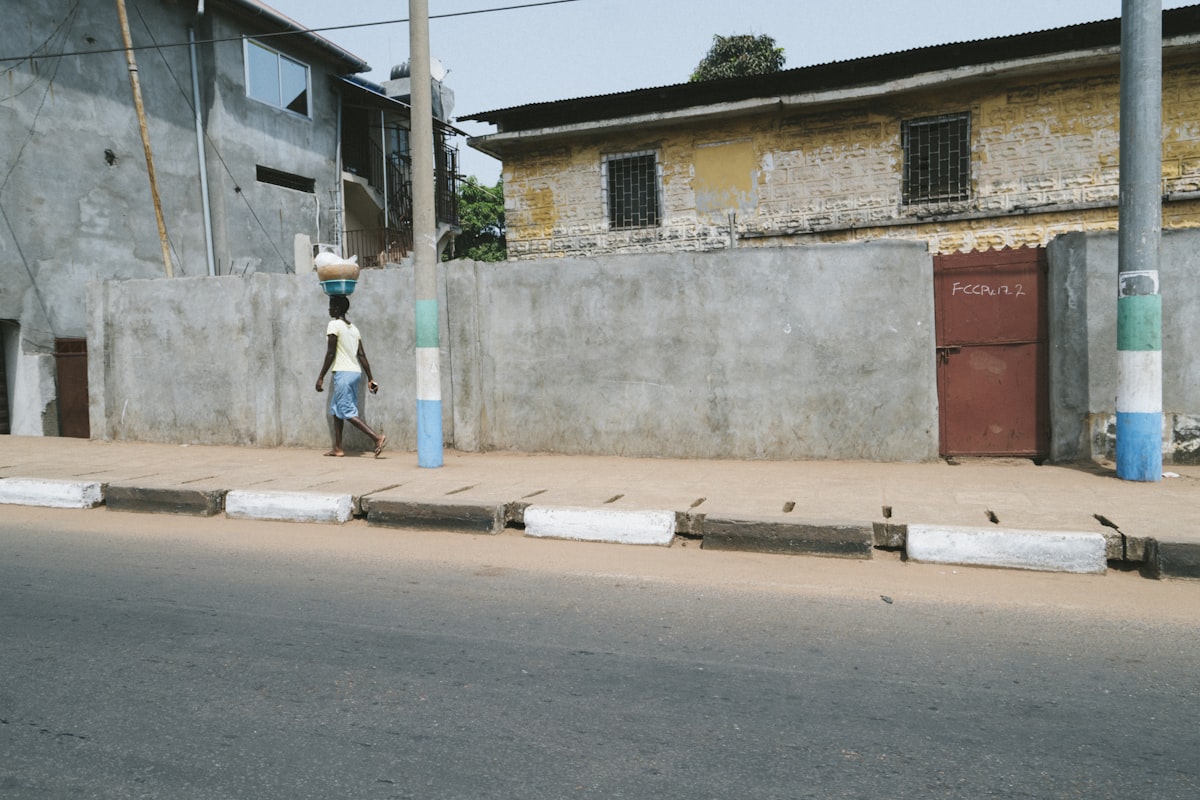
Why the Case-Fatality Rate Varies So Much
Several factors influence case-fatality rates within and across outbreaks. Access to supportive care matters enormously. But speed of case identification and isolation is another major factor, and earlier treatment initiation improves outcomes along with aggressive supportive care like intravenous fluids, electrolyte correction, and management of bleeding complications even without a specific antiviral. Underlying health conditions like malnutrition and concurrent infections increase mortality risk, and malaria is endemic in the affected region. Conflict makes it worse.
The current outbreak is occurring in an area affected by ongoing armed conflict from the Allied Democratic Force, which the WHO and CDC have both identified as limiting health care access for affected populations , a factor that could be elevating the case-fatality rate above what better access to care might achieve.
What Doctors and Modeling Data Say
CDC modeling published in MMWR in June 2026 emphasized a key point. The trajectory of case fatality depends heavily on how rapidly public health interventions, particularly case isolation, can be scaled. But it's a race. The same modeling work that projected outbreak size scenarios also implicitly affects fatality outcomes, because more rapid isolation reduces both transmission and the risk that overwhelmed health systems will be unable to provide adequate supportive care to all patients. They can't keep up if it's too slow. This is fundamentally a race between containment and capacity.
What This Means for Americans
The CDC says the risk to the American public is low. No cases have been confirmed in the United States. The case-fatality comparison matters for two main reasons: it helps set appropriate concern levels for the current outbreak relative to past events, and it highlights why the lack of an approved vaccine or treatment for this strain makes early case identification and isolation, rather than medical countermeasures, the primary tool for control. So if you've recently traveled to DRC, Uganda, or South Sudan, monitor for Ebola symptoms for 21 days after departure, and contact your state health department or 911 if symptoms develop, disclosing your travel history before arriving at a medical facility.
What Happens Next
WHO-convened expert panels keep evaluating candidate treatments and vaccines specifically for Bundibugyo virus. But it's a slow process. So containment still depends entirely on rapid case identification, isolation, and contact tracing, which are the same fundamental tools we've used since 1976. The case-fatality rate will continue to be monitored and may shift as the 2026 Ebola outbreak progresses, contact tracing improves, and health care access in conflict-affected areas evolves. Those are it.
Frequently Asked Questions
What is the case-fatality rate of the 2026 Ebola outbreak as of late June?
The 2026 Ebola outbreak has a confirmed case-fatality rate of approximately 26 percent as of late June, meaning roughly one in four confirmed patients have died. This figure aligns with the historical lethality of the Bundibugyo virus strain responsible for the outbreak.
Why is the case-fatality rate of the 2026 outbreak lower than some past Bundibugyo outbreaks?
The article notes that fatality rates can shift dramatically based on factors like health care access, patient age and underlying health, and speed of case identification and isolation. The current 26 percent rate is broadly similar to the lower end of the historical range for Bundibugyo, which had a 30 percent rate in 2007 Uganda and 55 percent in 2012 DRC.
How does the lack of an approved vaccine or treatment for Bundibugyo virus impact the 2026 outbreak?
No approved vaccine or treatment exists for Bundibugyo virus, unlike the Zaire strain which has vaccines like Ervebo. This means the current outbreak relies entirely on supportive care and infection control, lacking mortality-reducing tools that helped during the 2018-2020 Zaire outbreak.
What does CDC modeling suggest about the trajectory of the case-fatality rate?
CDC modeling published in MMWR in June 2026 emphasizes that the trajectory of case fatality depends heavily on how rapidly public health interventions, particularly case isolation, can be scaled. More rapid isolation reduces both transmission and the risk of overwhelmed health systems failing to provide adequate supportive care.
What actions should travelers from affected regions take according to the article?
If you have recently traveled to DRC, Uganda, or South Sudan, you should monitor for Ebola symptoms for 21 days after departure. If symptoms develop, contact your state health department or call 911, disclosing your travel history before arriving at a medical facility.

Sarah Jenkins covers health and medicine, translating new research into clear, practical reporting. She focuses on the science behind everyday wellbeing and the developments changing modern care.
💬 Comments (0)
No comments yet. Be the first!