Star Wars Games That Took Big Risks
Explore 10 Star Wars games that pushed the boundaries of the franchise's canon and gameplay, from Imperial perspectives to alternate endings.
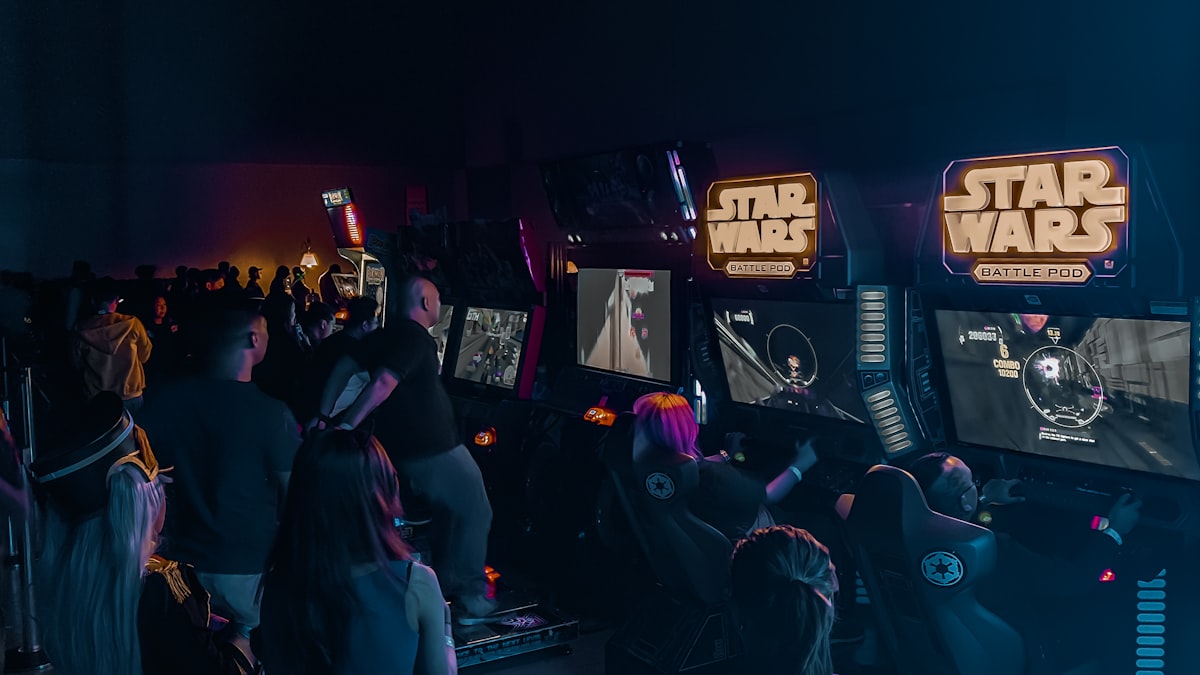
Star Wars games have always aimed for the stars. Some truly took massive risks though, pushing the boundaries of what a galaxy far, far away could be in interactive form. You might think you know the franchise. But these titles dared to twist the familiar, sometimes questioning the very core of what makes Star Wars tick. So let's dive into some of the most audacious Star Wars games ever made.
Flipping the Script: The Empire Strikes Back..
as the Good Guys?
Star Wars: Battlefront II first dropped, and its online mode was a total mess of loot boxes and tedious grinding. Yeah, we remember. But buried within that initial launch was a campaign daring to tell a Star Wars story from the Empire's point of view, so you stepped into the boots of Iden Versio, an Imperial commander. For years, we only heard from the heroes. Battlefront II flipped that, showing us the mentality of the "bad guys" right after their biggest loss. It was a fascinating look inside the Empire, even if Iden eventually switched sides, and it made you question who the real villains were.
Gameplay Gambles: No Lightsabers Allowed
Pilots and Podracers: Focusing the Fun
Sometimes, the risk isn't the story, but the gameplay itself. Star Wars: Squadrons went all-in on first-person space combat with no Jedi, no blaster fights, and nothing but you and your starfighter in the cockpit. It committed hard to one specific aspect of the Star Wars universe. And it worked. It's like they said, "Let's just do X, and do it perfectly.
Think about Star Wars Episode I: Racer too. Podracing was a blink-and-you'll-miss-it moment in the movie, right? It's a bold move to focus so narrowly, but when it pays off, it really pays off, and this game took that minor element and built an entire experience around it.
Morally Grey Heroes and Post-Genocide Blues
Jango Fett's Day in the Sun
Star Wars: Bounty Hunter took a chance by putting you in the shoes of Jango Fett. After seeing his rather unceremonious end in Attack of the Clones, you had to wonder why he was the template for the clone army. This game answered that by showcasing his skills and his fearsome reputation among criminals. Building a game around a morally ambiguous character like Jango? That’s a risk that probably wouldn't fly today. It's a shame.
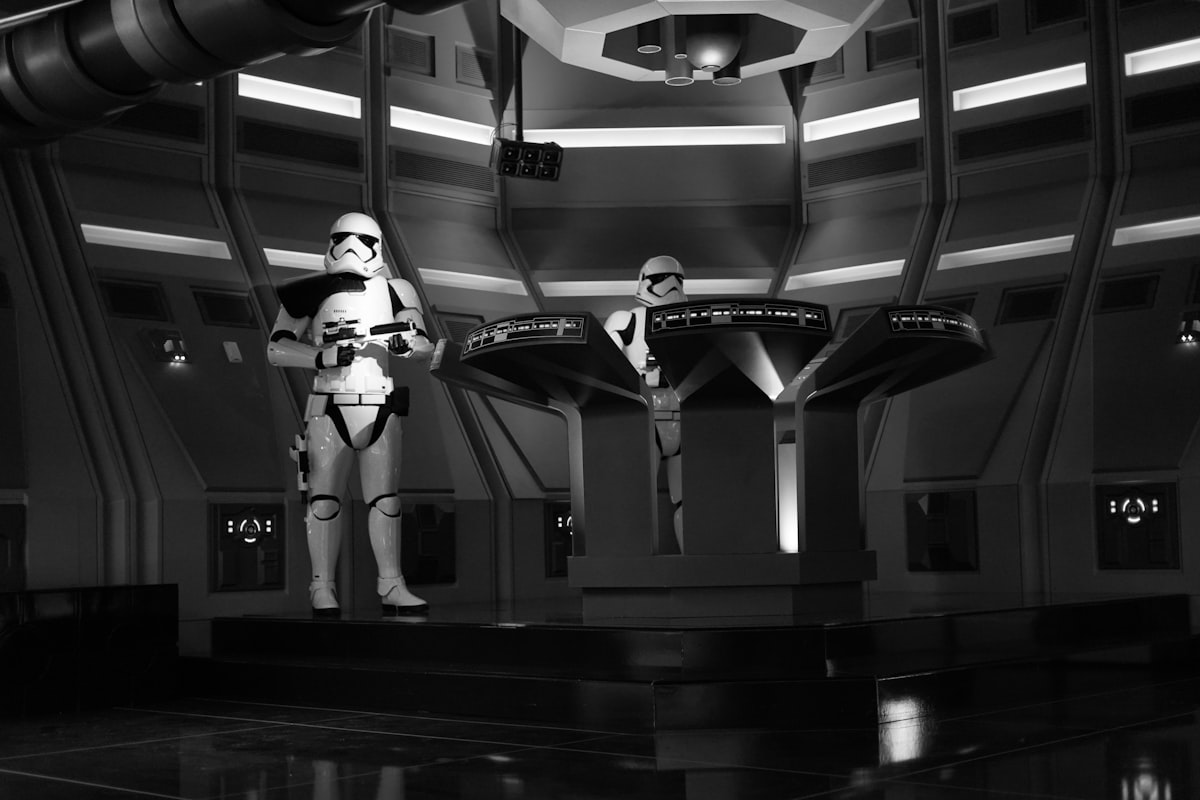
The Scattered Survivors
Order 66. Brutal. Ruthless. Showing the genocide of the Jedi in a video game? Inherently risky. But Star Wars Jedi: Fallen Order didn't shy away. They showed the trauma, but they did something even bolder: they focused on what happened *after*. Instead of powerful defenders, you played as scattered Jedi survivors, hiding and stripped of their authority. It was a raw, different take on a key event.
Rewriting the Saga
The Death Star Heist, Before Rogue One
Long before Rogue One hit theaters, Star Wars: Dark Forces gave us the definitive onscreen version of the Rebels stealing the Death Star plans. Kyle Katarn, a former Imperial officer helping the Rebels? That's a narrative risk. Depicting the event that kicked off the original trilogy was a gamble, but it cemented Dark Forces as necessary Star Wars lore in game form.
When Jedi Turn to the Dark Side
In Star Wars Jedi Knight: Jedi Academy, you train under Luke Skywalker. Sounds standard, right? Wrong. The game let you reject the Jedi path and embrace the Dark Side. You could abandon everything Luke taught you and completely alter the game's outcome. That freedom to go full Sith? That’s a serious risk.
Original Characters, Original Stories
Set between Empire Strikes Back and Return of the Jedi, Star Wars: Shadows of the Empire introduced Dash Rendar, a smuggler battling a crime lord. This game proved that Star Wars could introduce original characters into the existing timeline without feeling forced or detracting from the movies. A risky move that paid off.
Questioning the Force Itself
Knights of the Old Republic is beloved. Its sequel, Star Wars: Knights of the Old Republic II: The Sith Lords, went further by questioning if the Force was inherently good or just a cosmic power influencing everyone, and it suggested that Jedi and Sith are just pawns in a larger cycle. So few Star Wars games have dared to dig that deep into the franchise's philosophical roots.
Vader's Secret Apprentice
It's set between Episodes 3 and 4. Star Wars: The Force Unleashed told the story of Starkiller, Darth Vader's secret apprentice, and this game played a huge role in forming the Rebel Alliance. Some hardcore fans weren't happy. They argued it took too many liberties, but that backlash just shows how far the game went to deliver a bombastic, memorable story. It wasn't afraid to ruffle feathers.
An Alternate Mustafar Ending
Movie tie-in games usually stick close to the source. But Star Wars Episode III: Revenge of the Sith doesn't. During the Mustafar duel, you could play as Anakin and defeat Obi-Wan, so Anakin never became Darth Vader and instead killed Palpatine to take his place, completely rewriting a massive turning point in the saga's canon. It's absolutely mind-blowing. That choice alone changed the entire future of Star Wars.
The Big Takeaway
These Star Wars games prove that taking big swings can lead to some of the most memorable and thought-provoking experiences in the franchise. They dared to ask "what if?" And in doing so, they've expanded our understanding of a galaxy we all know and love. It's a bold approach.
```Frequently Asked Questions
Which Star Wars game dares to tell a story from the Empire's point of view?
Star Wars: Battlefront II lets players step into the boots of Iden Versio, an Imperial commander. It shows the mentality of the 'bad guys' right after their biggest loss, making you question who the real villains are.
How does Star Wars: Squadrons take a gameplay risk compared to typical Star Wars games?
Star Wars: Squadrons goes all-in on first-person space combat with no Jedi, no blaster fights, and nothing but you and your starfighter. It commits hard to one specific aspect of the Star Wars universe and does it perfectly.
Why is Star Wars Jedi: Fallen Order considered a bold take on the franchise?
The game shows the trauma of Order 66 and focuses on what happened after the genocide of the Jedi. Instead of powerful defenders, you play as scattered Jedi survivors, hiding and stripped of their authority.
What narrative risk does Star Wars: Dark Forces take?
Star Wars: Dark Forces gives the definitive onscreen version of the Rebels stealing the Death Star plans, featuring Kyle Katarn, a former Imperial officer helping the Rebels. Depicting the event that kicked off the original trilogy was a gamble that cemented the game as necessary lore.
How does Star Wars: Knights of the Old Republic II: The Sith Lords question the Force itself?
The sequel suggests that the Force might not be inherently good, but just a cosmic power influencing everyone. It implies that Jedi and Sith are pawns in a larger cycle, digging deep into the franchise's philosophical roots.
💬 Comments (0)
No comments yet. Be the first!