Inside Xbox's Strategic Bet on Project Helix
Asha Sharma faces tough strategic decisions over Project Helix as Xbox navigates declining revenues and market realities.

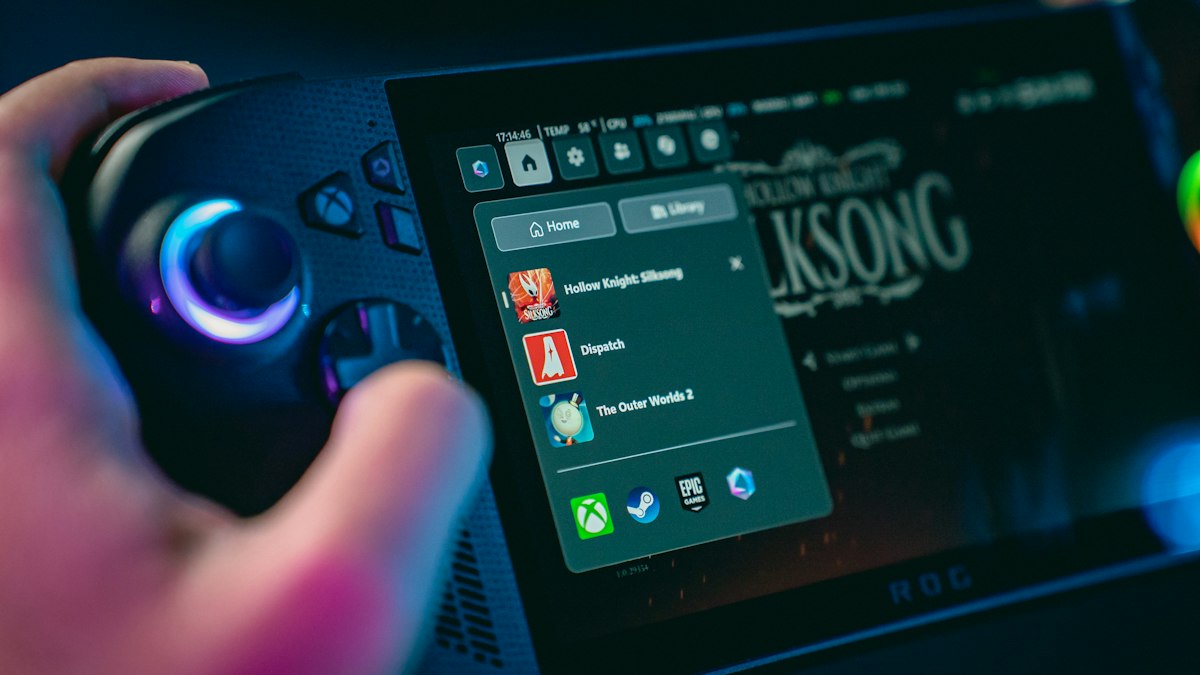
Project Helix is the high-stakes focal point of a major strategic pivot at Microsoft's gaming division. It's a gamble. As the company prepares to transition to its next-generation hardware platform, its leadership team now faces an incredibly difficult set of market conditions that constrain traditional console launch strategies. So CEO Asha Sharma, who recently completed her first 100 days, must balance the demands of high-performance engineering with the stark realities of rising production costs. The decisions made around this upcoming platform will shape the company's hardware footprint and its broader software distribution model for the next decade.
This move sits within a broader pattern of consolidation and structural reassessment. For several years, the gaming industry has wrestled with the ballooning cost of hardware manufacturing and the financial burden of extended software development cycles. Read alongside recent announcements, the picture clarifies. The division is dealing with the consequences of historical spending patterns, having invested 20 billion dollars across software, hardware, and services over the past five years, only to see revenues decrease by half a billion dollars when excluding the impact of Activision Blizzard King. The next console generation cannot simply repeat the playbook of the past.
The Dilemma of High-End Hardware Economics
Project Helix is exposing a deep rift in the executive suite. It's a serious split. Chief strategy officer Matthew Ball recently suggested the company is rethinking its approach to the new device, emphasizing a critical need for affordability over previous high-end ambitions, and that's a big shift. But Sharma has simultaneously reiterated that the console will be a leading-end performance device capable of playing PC games while maintaining backward compatibility. So delivering on both fronts is a formidable engineering challenge.
Strip away the marketing. The calculation is straightforward. Component prices are soaring, making it highly difficult to build a premium, high-performance console that remains accessible to the average consumer. So the company may be forced to innovate on its business model rather than its physical engineering to bypass this hardware affordability barrier. It's a familiar pattern. Industry watchers reading this story will recognize the potential for a subscription-based hardware distribution system, which could mirror the telecom sector.
Potential Distribution Models for Helix
- A multi-year subscription package tied directly to Game Pass.
- A monthly hardware surcharge integrated into service plans.
- Subsidized upfront console pricing offset by long-term service contracts.
A Return to Platform Exclusivity
Positioning is the deeper question. For several years, the prevailing strategy moved toward making first-party titles widely available across competing hardware platforms, but now the strategic direction is shifting back toward exclusivity. There's a catch.
"She's boxed in by economic realities both around the Xbox platform and the market more broadly," notes the industry analysis, pointing to the difficult balance between platform growth and immediate software profitability.
The division is trapped. They can't escape a classic catch-22 that pits competitive necessity against financial reality, because rebuilding the console's install base demands high-profile, exclusive software you can't play anywhere else. But major franchises require massive install bases on rival platforms to recoup huge development costs and contribute to immediate profitability. So some titles are being pulled back to the platform.
Addressing Internal Financial Pressures
Asha Sharma inherited a division under intense financial scrutiny from Microsoft upper management. It's in trouble. The internal focus has shifted sharply to the division's accountability margin, which currently sits at a mere 3 percent, and while rumors of a corporate demand to raise this margin to 30 percent have been denied by the company, the public focus on this metric confirms that profitability is a major concern. But an accountability margin of 3 percent in the games business, where some development costs are often excluded from initial profit calculations, suggests that the division's actual financial health is highly precarious.
The Activision Blizzard King acquisition bought some temporary financial insulation. It added billions to annual revenues as a highly profitable pillar. But that breathing room is rapidly disappearing. To stabilize the business, the company is preparing to implement major structural cuts and refocus its resources, which has given the core console business some time to re-evaluate its strategy, though it's a short window.
Key Areas Targeted for Corporate Refocusing
- Eliminating the accumulation of platform technical debt.
- Reducing the heavy reliance on third-party vendors for platform technologies.
- Increasing direct funding for under-resourced, major first-party intellectual properties.
- Rebuilding internal engineering talent to support future platform development.
The Execution Challenge for Leadership
Asha Sharma's early tenure has successfully altered public perception. She quieted initial skepticism regarding her background in the Core AI division by canceling an inherited project to bring Copilot to consoles, and she won consumer favor by cutting the price of Game Pass. People liked that. Her willingness to openly discuss the division's financial challenges and the waste of past investments, such as major games cancelled after years of active development, has been received positively. But messaging is only the first step.
The wider sector is watching. The transition from strategic positioning to execution is where many corporate turnarounds falter, and the coming months will require highly unpopular decisions including anticipated layoffs and project cancellations as the company trims its operations to support Project Helix. Rebuilding internal engineering capability while simultaneously cutting costs is a delicate operation. That's a tough balance. Sharma has demonstrated an ability to set the right strategic tone, but the true test of her leadership will be her ability to deliver a viable, affordable next-generation console under these severe economic constraints.
Frequently Asked Questions
What is Project Helix, and why is it significant for Microsoft's gaming division?
Project Helix is the focal point of a major strategic pivot at Microsoft's gaming division, representing a high-stakes gamble as the company prepares to transition to its next-generation hardware platform. The decisions made around this platform will shape the company's hardware footprint and software distribution model for the next decade.
Why is there a rift in the executive suite regarding Project Helix?
Chief strategy officer Matthew Ball has emphasized a critical need for affordability over previous high-end ambitions, while CEO Asha Sharma has reiterated that the console will be a leading-end performance device. This creates a formidable engineering challenge because component prices are soaring, making it difficult to build a premium console that remains accessible.
How might Microsoft address the hardware affordability barrier for Project Helix?
The company may be forced to innovate on its business model rather than physical engineering, potentially adopting a subscription-based hardware distribution system similar to the telecom sector. This could include multi-year subscription packages tied to Game Pass, monthly hardware surcharges, or subsidized upfront pricing offset by long-term service contracts.
Who is Asha Sharma, and what actions has she taken since becoming CEO of the gaming division?
Asha Sharma recently completed her first 100 days as CEO and has altered public perception by canceling an inherited project to bring Copilot to consoles and cutting the price of Game Pass. She also openly discusses the division's financial challenges and the waste of past investments, though she faces the challenge of delivering a viable, affordable console under economic constraints.
What internal financial pressures is the gaming division facing according to the article?
The division's accountability margin sits at a mere 3 percent, and while rumors of a demand to raise it to 30 percent have been denied, the public focus confirms profitability is a major concern. The acquisition of Activision Blizzard King provided temporary financial insulation, but the division is now preparing to implement major structural cuts and refocus resources.
💬 Comments (0)
No comments yet. Be the first!