Grey Gamers: The $43B Blind Spot
Grey gamers are a neglected goldmine: 56.9m in Western Europe by 2031, $43B US spending by 2030. Yet no one makes games for them.

Grey Gamers: The $43B Blind Spot
At last week's Nordic Game conference in Malmö, a single observation cut through the usual platform metrics and trailer hype. But it wasn't a slide detail. Emmanuel Rosier, director of market intelligence at Newzoo, laid it bare. The industry has ever more players aged 40, 50 and 60, and those who are retired hold even more disposable cash, yet virtually no one's designing titles for them. That's a mirror. It's held up to a sector that's spent four decades chasing the same narrowly defined young male archetype while an entirely different audience swelled in plain sight. So the strategic question now is whether publishers will finally recognise grey gamers as the structural growth lever they're, or whether they'll arrive a decade late, just as they did with women players.
The Demographic Wave No One Is Riding
The raw numbers are difficult to dismiss. In the United Kingdom alone, the share of the population aged 65 and over jumped from 13% in 1972 to 19% in 2022 and is projected to reach 27% by 2072, according to the Office for National Statistics. More importantly, these older cohorts are not distant from gaming. Ampere Analysis data reveals that there were 6.62 million UK gamers aged 55 or over in 2025, a figure set to climb to 7.32 million by 2031. Zoom out to Western Europe and the 55-plus player base stood at 51.89 million last year, with a trajectory heading toward 56.9 million by 2031. Read alongside one another, the ageing society and the player data erase any argument that the older market is a niche worth postponing. The install base is already huge and growing, yet the product pipeline barely registers its existence. Jerk Gustafsson, head of MachineGames, put it in generational terms. At 54, he is part of the first cohort that grew up with games, and he expects the peak of the industry’s install base to coincide with his own retirement. The first generation of lifelong players is now entering its prime spending years, and the industry appears unsure what to do with them.

Why the Dashboard Blinds the Industry
Joost van Dreunen, CEO of Aldora and the former head of SuperData, traces the oversight to a familiar pattern.
Developers have been ignoring older gamers for the same reason it took them decades to discover women. The industry has spent 40 years chasing the same narrowly defined audience because it was the safest bet, until everyone was chasing it.
He points to startling numbers. The 40-plus segment in the US is on course to expand from $19 billion in 2022 to $43 billion by 2030, a 132% expansion while the rest contracts. These players combine the greatest disposable income, the longest gaming literacy, and the highest brand loyalty, yet they remain the least visible in dashboards calibrated around younger users who compete frequently. Older lifelong gamers don't churn in the same way. But they keep playing and spending. The metrics simply aren't built to capture their engagement rhythm. Matthew Ball, who recently became Xbox's chief strategy officer, has diagnosed the practical blind spot. He suspects grey gamers are lost not in the first 30 minutes but weeks or months later when they return to find skill trees, expanded maps, and forgotten tools. User testing, he noted, almost never asks how hard the ninth boss is for a 58-year-old who hasn't touched a controller in over two weeks.
The Hardware Question
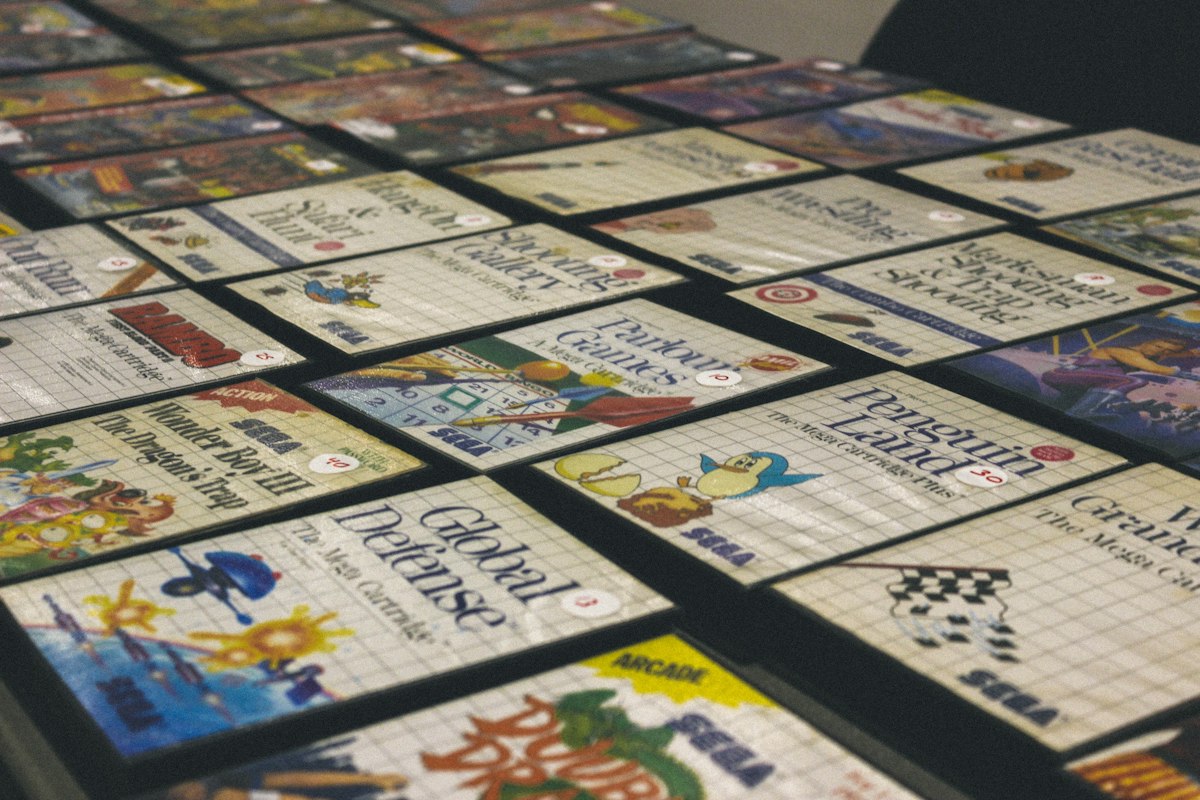
Shift the frame. Larry Kuperman, who until March served as vice president of business development at Nightdive Studios, argues the industry's real question isn't what people will play but what they'll play on. He's sceptical. Grey gamers won't rush to buy the newest consoles or high-spec PCs, especially after the steep hardware price hikes of recent years. For a player resembling grandma and grandpa with a very basic home machine, he sees two categories that stand to benefit. One is low-requirement platform experiences, but he doesn't see those easily penetrating the older demographic. So that leaves a second lane: the intersection of cosy, casual and retro games, where retro holds a distinct advantage because it doesn't demand the latest computer and trades on brand recognition forged decades ago. Nightdive's remasters of titles like Turok, Blood and Star Wars: Dark Forces demonstrate the mechanism. A souls-like may mean nothing to someone over 65, but the words "Star Wars" unlock immediate trust.
Designing for Hands That Ache
He doesn't hide it. He's 57. He still games, expects to be gaming in another decade, and aims to design for the 60-year-old who misses no time but whose hands hurt after 30 minutes of twitch play. That reality points toward older RPGs and turn-based experiences, the kind of pacing that lets an adult player recapture a childhood feeling without the pain barrier. But Emmert also identifies a structural talent gap that keeps the whole sector from reorienting. There are few elder statesmen in game design, he notes, because the industry constantly bleeds experience and remains fixed on serving a younger demographic. The absence of designers who themselves are 50-plus means the needs of older players rarely appear on a whiteboard, let alone in a greenlight meeting.
51.89 million. That Western European 55-plus player figure is not a forecast, it is today’s reality. Yet the marketing machinery still largely bypasses these players. Andrew Byatt, CEO of Blaze Entertainment, whose Evercade console family targets returning gamers, observes that email outperforms social media for reaching his audience. Viral TikTok moments and slick livestreamed showcases may move units among teens, but an older player who remembers Star Trek: The Original Series does not discover his next game through an influencer dance. Byatt’s customers are, in his telling, people returning to the hobby after long absences, drawn back by manageable, finite experiences that fit around busy lives and do not demand a grand hardware commitment. The Super Pocket handheld, an entry-level self-contained device, is the antithesis of the sprawling, hundred-hour cinematic epic pitched at the early-twenties crowd.
The $43 Billion Horizon
It's not retro versus modern. Byatt's pipeline includes "modern retro," indie titles built with the sensibilities of older systems, and Emmert wants the 60-year-olds who watched the original Star Trek to find their way into Star Trek Online. Gustafsson's core insight is that the peak of the install base is still ahead, not behind, because the very first generation of daily gamers is ageing into retirement. But Van Dreunen sees a structural advantage for the first publishers who adjust their lens, and the rest, he warns, will arrive ten years late.
- Retro remasters riding IP like Turok and Dark Forces remove the hardware barrier and lean on brand trust.
- Cosy and casual titles offer low-stakes entry points that suit a player returning after two weeks away.
- RPGs and turn-based design accommodate physical limits without sacrificing depth for a lifelong player.
The industry faces fragmentation. But the grey gamers' $43 billion trajectory by 2030 isn't a side bet. It's the largest untapped growth reservoir on the map. The publishers who treat it as a core design challenge, not a demographic footnote, will find themselves holding a lead that goes well beyond a single fiscal quarter. The generation that invented gaming isn't putting the controller down. It's waiting for someone to remember it's still in the room.
Frequently Asked Questions
What exactly are 'grey gamers' and what is their projected market value according to the article?
Grey gamers refer to players aged 40, 50, and 60, particularly those retired with disposable cash. The article states the 40-plus segment in the US is projected to expand from $19 billion in 2022 to $43 billion by 2030.
Why does the gaming industry overlook grey gamers despite their growing numbers?
The industry has spent 40 years chasing the same narrowly defined young male archetype because it was the safest bet. Additionally, metrics are calibrated around younger users who compete frequently, while older lifelong gamers have engagement rhythms that are not captured by standard dashboards.
How can game publishers design titles that appeal to grey gamers?
Design should accommodate physical limits, such as using turn-based or RPG pacing to avoid hand pain from twitch gameplay. Retro remasters and cozy/casual titles with low hardware requirements and brand recognition, like Star Wars, are effective because they reduce entry barriers and build on trust.
When does the article suggest the peak of the gaming install base for grey gamers will occur?
Jerk Gustafsson, head of MachineGames, expects the peak of the industry's install base to coincide with his own retirement. He is part of the first generation of lifelong players, indicating the peak is still ahead as these players age into their prime spending years.
Who are some industry experts cited in the article that discuss the grey gamer opportunity?
Emmanuel Rosier, director of market intelligence at Newzoo, first highlighted the trend at the Nordic Game conference. Other experts include Joost van Dreunen, Matthew Ball, Larry Kuperman, and Andrew Byatt, each offering insights on why grey gamers are overlooked and how to reach them.
💬 Comments (0)
No comments yet. Be the first!