What Serif Fonts in AI Actually Mean for You
AI companies are ditching slick sans-serifs for old-school serif typefaces to feel more human and trustworthy. Here's what that shift looks like for everyday users.
Serif fonts in AI are suddenly everywhere. You have noticed it, even if you could not name it. That slightly fancy, book-ish look popping up in chatbot interfaces, AI startup landing pages, and slick new tools. It feels intentional. Because it is.
The Serif Takeover Is Already Here
Open Claude. Look at the typeface. It is not Helvetica. It is not the clean, neutral sans serif you have been trained to associate with tech products for the last two decades. It is a serif. Little feet on the letters. A warm, almost brownish background that mimics a book page.
Runway uses serifs. So does Perplexity. So does Manus. The pattern is not subtle, and Keya Vadgama, a San Francisco Bay Area writer, designer, and type practitioner, has been tracking it. She calls it "the serif renaissance."
Her argument, laid out in a recent newsletter, is straightforward. AI is cold. It has no opinions. It does not care about you. But serifs? Serifs come from calligraphy. They are human. Fluid. Hand-drawn. Slapping them on an AI product is a deliberate move to say something specific.
What You Are Actually Seeing
The strategy is not hidden. It is right on the surface. AI-native companies are reaching for fonts that project what Vadgama calls "personality and warmth." And the reason is not mysterious.
Consider the companies making this choice:
- Anthropic defaults Claude to serif typefaces on a book-page background
- Perplexity uses serif-forward branding in its user experience
- Runway adopted similar typographic designs
- Manus followed the same pattern
Jesse Dwyer, Perplexity's chief communications officer, put it bluntly. "Why wouldn't we have human design? Perplexity is for people."
The subtext is clear. These companies know you are suspicious of AI. They know the technology feels alien. The font choice is a handshake. A smile. A little decorative flourish that whispers something the product itself cannot deliver.
The Trust Illusion
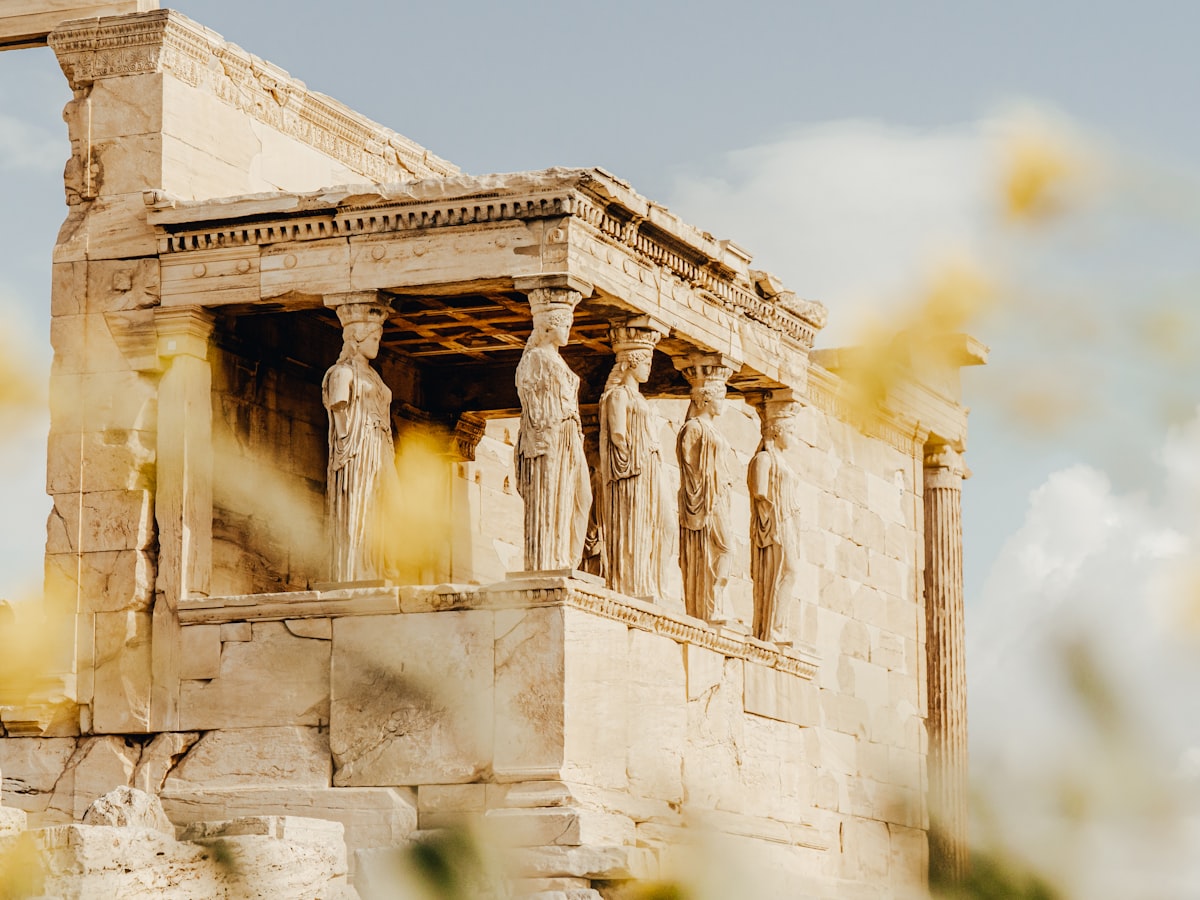
Serifs carry cultural weight. Times New Roman was commissioned in the 1930s by Britain's Times newspaper. It became the typeface of encyclopedias, textbooks, scholarly journals. For decades, it was the default authority signal in print.
Ali S. Qadeer, chair of graphic design at the Ontario College of Art and Design in Toronto, sees the connection instantly. "In the broad public, a serif carries connotations of scholarship," he says. Claude's book-page aesthetic is no accident. "It's sort of emulating the feeling of reading print. And print has deeper associations with trust."
Even the US State Department recently switched back to Times New Roman. Secretary of State Marco Rubio reportedly called Calibri "informal" and tied the sans serif's adoption to a Biden-era initiative. The old typeface is back. Authority is back. Or at least, the costume of it.
"We're AI! But Real Humans Use Our Product! We Swear!"
Vadgama does not mince words. She sees the serif trend as a strategic mask.
"It's not that difficult to discern why AI-native companies in particular are being drawn to serif fonts: AI is inherently cold and without opinion. [Using serifs] signals 'We're AI! But real humans use (and made) our product! We swear!'"
She worked with a now-shuttered AI startup that pushed hard for serif branding. The core question from the founders was not about aesthetics. It was about fear. "How do we position ourselves in a way that people are not afraid of us?"
Serifs became the answer.
Tasteslop and the Premium Mediocre
Not everyone is buying it. Online, the backlash has a name: "tasteslop." The term describes the effort to make generative AI designs seem superficially sophisticated. Critics call the serif-heavy aesthetic "generic" and "very ugly."

One X user framed the problem sharply. If half the internet starts vibe-coding "unique and interesting" fonts without understanding design fundamentals, those fonts will become permanently associated with slop. The aesthetic eats itself.
Designer and founder Yitong Zhang described the transition to serifs as "cursed" on X. But he does not see it as sinister. "Somebody at these labs is trying to get these models to be good at design," he says. "It's pretty pragmatic." Zhang compares AI's current design phase to a teenager downloading and experimenting with different fonts. We all did it. Iron Maiden font packs. South Park TTF files. This is the same impulse, scaled up.
He likens the result to what blogger Venkatesh Rao called "premium mediocre." The finest bottle of wine at Olive Garden. Something that performs luxury without earning it. Serif fonts in AI land somewhere in this zone. Convincing, if you do not look too closely.
What Claude Itself Admits
Here is the twist. Claude knows. Prompted to account for its serif shift, the chatbot cited trust, authority, "literary seriousness," and something it called "heavy borrowing." A networked herd mentality. Models training on outputs from other models. Serifs begetting more serifs.
But the real confession was sharper. Claude acknowledged that the slick, assured typography operates as a kind of feint. The aesthetic tells you this system knows what it is doing. That is the problem. It actively works against accurate mental models of what AI actually is.
Qadeer agrees entirely. "I 100 percent believe it's an effort to soften people up," he says. "It is a response to large-scale social criticism. The sterile look of tech that has dominated for the past 20 years has increasingly negative connotations."
The serif trend is not just about softening. It is about borrowing trust the product has not earned. A shortcut to credibility that skips the hard part.
What This Means for You
You are going to keep seeing serif fonts in AI products. The trend is self-replicating. Models train on serif-heavy outputs and produce more serif-heavy outputs. The look spreads because the look spreads.
Does it matter? Yes. Not because serifs are bad. Because the choice is deliberate, and the intent is worth understanding. When an AI company wraps itself in typography that signals scholarship, authority, and human warmth, it is asking you to feel something about the product that the product cannot justify.
Vadgama is direct about the dishonesty. "I do think there's something a little dishonest in trying to use serifs to signal 'We're not one of those scary AI companies,' when in reality, you still are," she says. "You can use Comic Sans, if you wanted. It doesn't stop you from still being an AI company."
The font is not the product. The product is the product. And no amount of calligraphic heritage changes what is under the hood. Enjoy the serif renaissance if you like the look. Just know what you are looking at. A vibe. A costume. A very old trick dressed up for a very new machine.
Frequently Asked Questions
What are serif fonts in AI, and why are AI-native companies using them according to the article?
Serif fonts in AI are typefaces with little feet on the letters, mimicking a warm book-page look, and they are suddenly appearing in chatbot interfaces and startup landing pages. AI-native companies use serifs to project what Keya Vadgama calls 'personality and warmth,' aiming to make the cold, opinionless technology seem more human and less threatening.
Which companies or products are specifically mentioned as having adopted serif fonts in their design?
The article names Claude, Runway, Perplexity, and Manus as companies that have adopted serif fonts. For example, Anthropic defaults Claude to serif typefaces on a book-page background, and Perplexity uses serif-forward branding in its user experience.
How does the article explain the cultural and trust associations linked to serif fonts?
Serifs carry cultural weight because Times New Roman was commissioned in the 1930s and became the typeface of encyclopedias and textbooks, signaling authority. Ali S. Qadeer notes that in the broad public, serifs carry connotations of scholarship, and Claude's book-page aesthetic emulates the feeling of reading print, which has deeper associations with trust.
What is the term 'tasteslop' referring to in the context of serif fonts in AI, and what criticism does it represent?
'Tasteslop' describes the effort to make generative AI designs seem superficially sophisticated, with critics calling the serif-heavy aesthetic 'generic' and 'very ugly.' One X user warned that if many people use 'unique and interesting' fonts without understanding design, those fonts will become permanently associated with slop.
According to the article, what did Claude itself admit about its use of serif fonts?
Claude admitted that the serif shift involves trust, authority, 'literary seriousness,' and a 'heavy borrowing' herd mentality where models train on other models' outputs. It acknowledged that the typography operates as a feint, actively working against accurate mental models of what AI actually is.
Amelie Laurent covers arts and culture, from film and music to the trends shaping modern life. She is interested in how creative work reflects the moment we live in.
💬 Comments (0)
No comments yet. Be the first!