How Van Gogh Museum Guides Quietly Direct You
Data from Van Gogh Museum guides is changing how layouts are designed. Here is what that means for your next visit.

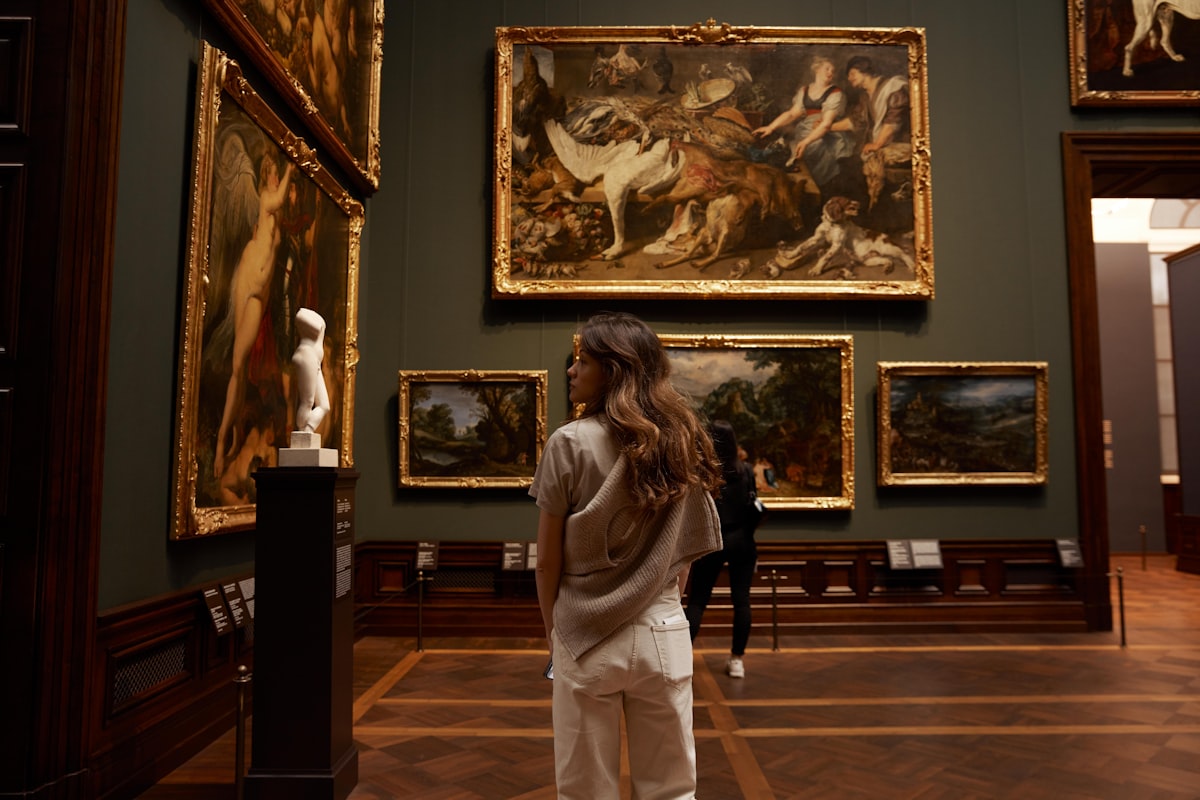
Van Gogh Museum guides are quietly rewriting how you experience art, and you probably haven't even noticed. But there's a massive shift happening behind the scenes. If you've ever walked through a gallery, you know the vibe,you wander from room to room looking at gold-framed masterpieces and try to feel something deep, but your casual Sunday stroll is actually being mapped and analyzed by data scientists.
Art museums used to be quiet spaces that didn't worry about traffic flow. But times are changing. So to stay relevant, these institutions are turning into active spaces for discussion and interaction while collecting data on exactly how people move through their halls. They track where you walk and where your eyes linger. This quietly changes how masterpieces are displayed.
The hidden science of your museum stroll
How does this actually work? They teamed up with the museum. Researchers from MIT, Georgia Institute of Technology, and the University of Navarra analyzed a massive dataset from the museum's collection of over 4,600 works, but only about 200 are on display at any given time.
The researchers pulled data from 25,000 randomly selected visits out of 1.5 million total visits between 2019 and 2021. It's a massive sample. They focused specifically on how people interacted with digital multimedia guides, then combined this with the physical locations of the paintings to build a predictive model called pathway multinomial logit, or pathway MNL. And this model predicts your next move based on the subconscious benefits you think you will get from a painting.
What the data revealed about you
The findings show that visitors are highly predictable. Here is what the researchers discovered about how we look at art:
- People largely follow the recommended path on digital guides in the suggested order.
- Visitors want variety in the size and time period of the art, but they want consistency in the subject matter.
- As time runs out during a visit, people stop exploring and head straight for the famous masterpieces.
- Up to a certain point, physical crowding actually makes people more curious, pushing them to view art they would otherwise ignore.
But there's more to this story. The research showed that even tiny changes to the digital guide's list order impacted the physical foot traffic in the building, and digital setups have a massive influence on where people walk. So by using simulations, the researchers found that moving popular art away from stairs and lifts could keep people looking at art longer without ruining the curators' vision.
The power of the digital nudge
Let's put it bluntly: a digital hand is guiding you. But if you use a multimedia guide at a museum, you're likely following a path designed to keep crowds moving, and it's a subtle force you can't easily escape. Lisa van den Bos, who was a digital education product manager at the museum during the study, noted how much influence these tools have.
We actually have a lot of power in how we move people through.
This is a big deal because the museum has incredibly high guide usage.
The battle against visitor fatigue
So what does this mean for your next visit? It's simple. Between 2022 and 2024, the research team ran a follow up study to fight visitor fatigue and information overload, and they did this by testing different digital nudges on the guide. But don't expect a revolution. That's it.
Museums can create digital assortments. They curate different guide layouts organized by how much time you have or by specific narrative themes, so this lets them change your experience without touching a single physical frame. It's clever.
Should museums control what you like?
This is where it gets complicated. But here's the real challenge: if a museum can use data to guide you anywhere, should they only show you things they know you'll like, or is there something more important at stake? Some experts say absolutely not. You'd miss art's true purpose.
The search for an organic experience
Not everyone wants their afternoon curated by an algorithm. But some regular museumgoers prefer to wander naturally without a screen telling them where to look, so they can discover art on their own terms. It's a personal choice.
But for the casual visitor, a data-driven guide might be the key to understanding a complex collection. So don't lose the joy of unexpected discovery. Balance is key. The goal is to find a balance where technology helps you navigate the crowds without robbing you of that, and it's all about balance.
Frequently Asked Questions
What is the role of Van Gogh Museum guides in shaping visitor experience?
Van Gogh Museum guides quietly rewrite how you experience art by mapping and analyzing your movements through the museum. They track where you walk and where your eyes linger, using this data to influence how masterpieces are displayed.
How did researchers analyze visitor behavior at the Van Gogh Museum?
Researchers from MIT, Georgia Institute of Technology, and the University of Navarra analyzed 25,000 randomly selected visits out of 1.5 million total visits between 2019 and 2021. They focused on how people interacted with digital multimedia guides and combined this with painting locations to build a predictive model called pathway MNL.
Why do visitors tend to head straight for famous masterpieces as their visit progresses?
The research revealed that as time runs out during a visit, people stop exploring and head straight for the famous masterpieces. This behavior is one of the predictable patterns discovered from the data.
When did the follow-up study on visitor fatigue take place?
The follow-up study to fight visitor fatigue and information overload ran between 2022 and 2024. During this study, the research team tested different digital nudges on the guide.
Who noted the significant influence of digital guides on moving people through the museum?
Lisa van den Bos, who was a digital education product manager at the museum during the study, noted that digital tools have a lot of power in how they move people through the museum. She emphasized that the museum has incredibly high guide usage.

Isabella Moretti writes about culture and society, exploring how digital life is reshaping the way we create and connect. She covers the people and ideas at the centre of the conversation.
💬 Comments (0)
No comments yet. Be the first!