What AI momfluencers Say About the Mental Load
A growing cohort of AI momfluencers are promoting custom ChatGPT prompts to help mothers delegate exhausting household labor.
AI momfluencers are changing how women think about the invisible labor of parenting. But it's not just about trends. When Zurich-based brand consultant Lilian Schmidt couldn't get her daughter to sleep, she exhausted every traditional avenue, trying sleep experts, pediatricians, white noise machines, blackout curtains, and massages, all of which failed to make a difference. Every single day required a grueling two to three hours of screaming and fighting that left the family exhausted. So she turned to ChatGPT when her daughter was three and a half years old. Desperate. The chatbot suggested giving the child gum to chew or a trampoline to jump on before bed to provide more stimulation, advice that ran completely counter to standard parenting wisdom, but it worked within five minutes, and her daughter fell asleep.
The experience turned Schmidt into an online advocate for home automation. She posted a TikTok video in June 2025. It declared she had turned the chatbot into her coparent. The clip went viral, boosting her follower count to 27,000 in three weeks and leading her to sell access to a custom tool called Coparent for 37 dollars on her website. Schmidt belongs to a growing group of online creators. They're moving away from typical, highly styled motherhood content. Instead of making domestic chores look beautiful, these creators question whether women need to do all of this work by themselves in the first place.
The rise of automated domestic management
These online creators share strategies for offloading the mental load of running a household. So they produce content with titles focused on how to use artificial intelligence as a mother or showcasing digital assistants as a replacement for mom brain. Don't forget the basics. They sell pre-made prompts and digital handbooks to parents who want a helper that never forgets basic tasks like packing sunscreen.
This digital assistance contrasts sharply with their offline reality. In many viral videos, creators perform almost all physical parenting tasks alone, including cooking, grocery shopping, and crafts, while their partners remain largely absent from the footage. It's a stark reflection of broader domestic patterns. Mothers still carry the bulk of physical and mental work. But fathers have doubled their time spent on childcare and chores compared to fifty years ago, yet women continue to shoulder the majority of the household burden.
"It is not that my partner is not helping, because he is. But for women and moms, there is so much invisible labor that you carry and everything is in your hands, and it actually takes time with your kids away from you." ; Lilian Schmidt
These women argue that outsourcing logistical planning to chatbots can free up mental space. So they can be more present and emotionally regulated with their children, rather than constantly stressed by daily schedules. It's a simple trade-off.
An industry built to close the gender gap
A significant gender gap exists in tool adoption. But a 2025 study revealed women are more than 20 percent less likely to use generative technology in their daily lives than men, and industry observers point to two main reasons for this disparity.
- The technology is often developed by male-dominated companies that do not understand the specific logistical needs of mothers who manage households.
- Working mothers experience guilt, viewing the use of digital assistants for parenting tasks as a form of cheating.
The push for female tech empowerment
Prominent media figures have stepped in to frame these tools as a pathway to female empowerment. Don't get left behind. Mel Robbins announced a partnership with Microsoft Copilot, warning women that they can't afford to ignore the technological shift, and Reese Witherspoon also drew public attention and some criticism for posting about how the technology makes daily life easier.
From personal helper to business model
Other mothers have turned their household shortcuts into careers. Sarah Dooley, a former tech consultant, began using chatbots in 2023 to write custom toothbrushing songs for her three daughters and draft instructions for her babysitter. So she hosted local workshops to teach other mothers how to delegate chores to digital tools. Then she left her job to launch a brand called the AI-Empowered Mom, and she now consults for corporations and has a book titled The AI-Empowered Family scheduled for release next year. It's a big leap.
The backlash against automated parenting
This shift has met with resistance. Critics frequently confront these creators online, pointing out the environmental costs of running large data centers and the economic threat of automation. But it's not just that , a projection indicates the technology puts nearly 15 percent of the global workforce at risk of unemployment, and there are ongoing concerns regarding how these digital tools affect childhood development and mental health.
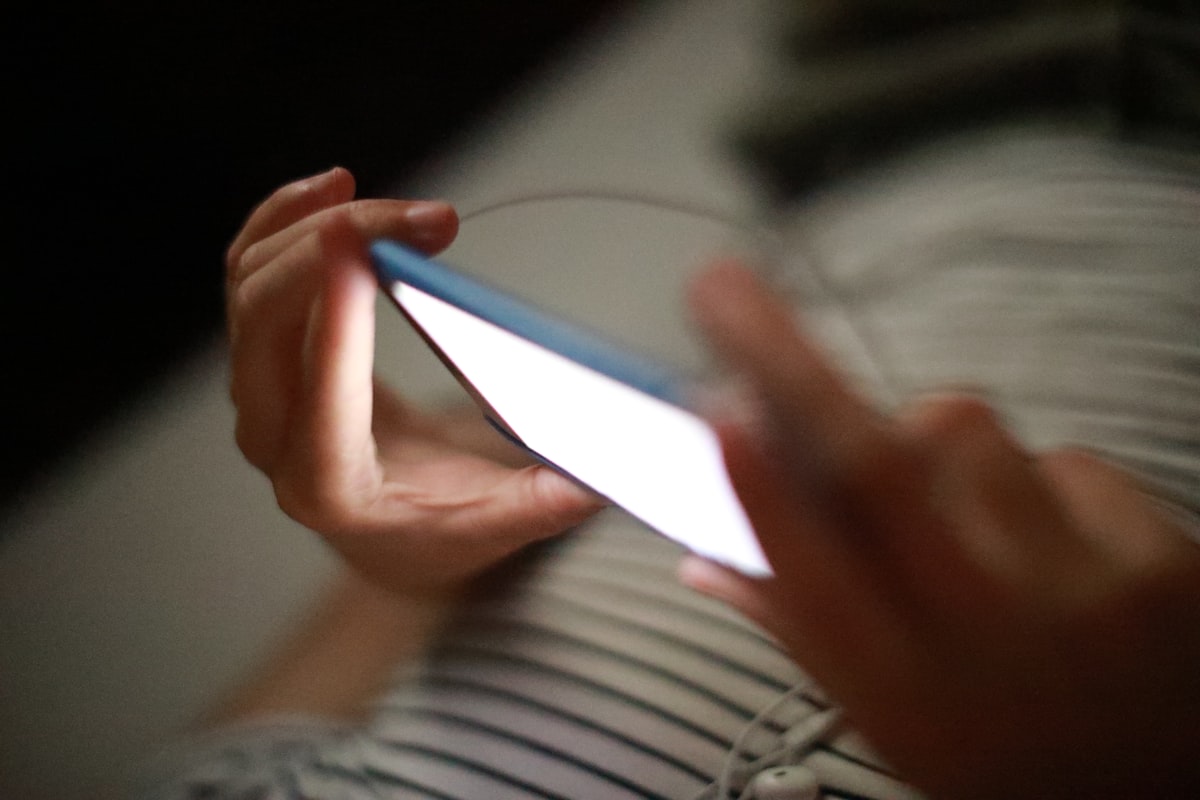
Some maternal technology advocates reject the extreme push for hyper-efficiency. But Stephanie Leblanc-Godfrey, founder of Mother AI, argues that positioning these tools as radical feminism or using female insecurity as a marketing entry point misses the mark. She cautions against adopting a culture of toxic productivity porn. That's a bad idea. However, advocates like Schmidt counter that mothers already face too many criticisms and don't need more anxiety about the tools they choose to use.
Does automation actually solve the problem?
The promise of efficiency hasn't changed a thing. Men and women still use these tools for entirely different purposes, and it's rare for a father to think about using a chatbot for pediatrician appointments or birthday parties when he's busy analyzing stock portfolios or boosting his work output. So the division of labor remains.
This dynamic means that learning to use digital assistants just becomes another chore for women to manage. Setting up these tools requires inputting endless lines of text detailing daily household tasks. It's stressful. For many mothers, seeing the massive scale of their domestic duties spelled out in a chat window causes more stress than relief. So the technology can act as a modern anchor to the home, leaving the underlying unequal distribution of domestic labor completely untouched instead of liberating women. Mothers remain the ones responsible for managing the household, even if they use a chatbot to do it.
Frequently Asked Questions
What triggered Lilian Schmidt to start using AI for parenting, and what was the outcome?
Lilian Schmidt turned to ChatGPT when traditional methods failed to get her daughter to sleep, requiring two to three hours of screaming and fighting daily. The chatbot suggested giving the child gum or a trampoline before bed, which worked within five minutes and helped her daughter fall asleep.
How do AI momfluencers claim using chatbots benefits mothers' relationship with their children?
They argue that outsourcing logistical planning to chatbots can free up mental space, allowing mothers to be more present and emotionally regulated with their children. This reduces the constant stress from daily schedules.
Why is there a gender gap in the adoption of generative technology among women, according to the article?
The article points to two main reasons: the technology is often developed by male-dominated companies that do not understand mothers' logistical needs, and working mothers feel guilt viewing digital assistants as a form of cheating.
How did Sarah Dooley turn her use of chatbots into a business?
Sarah Dooley began using chatbots to write custom songs and draft babysitter instructions, then hosted workshops to teach other mothers. She left her job to launch the AI-Empowered Mom brand, now consulting for corporations and publishing a book.
What criticism does the article mention about using AI for parenting, and how do advocates respond?
Critics point to environmental costs, economic threats from automation, and concerns about childhood development and mental health. Advocates like Schmidt counter that mothers already face too many criticisms and don't need more anxiety about their tool choices.
Isabella Moretti writes about culture and society, exploring how digital life is reshaping the way we create and connect. She covers the people and ideas at the centre of the conversation.
💬 Comments (0)
No comments yet. Be the first!