I Played Crushed in Time, the Most Riveting Puzzle Game of Summer 2026
Crushed in Time is a time-travel adventure with meta storytelling and physics puzzles. After a 45-minute demo, I'm hooked.
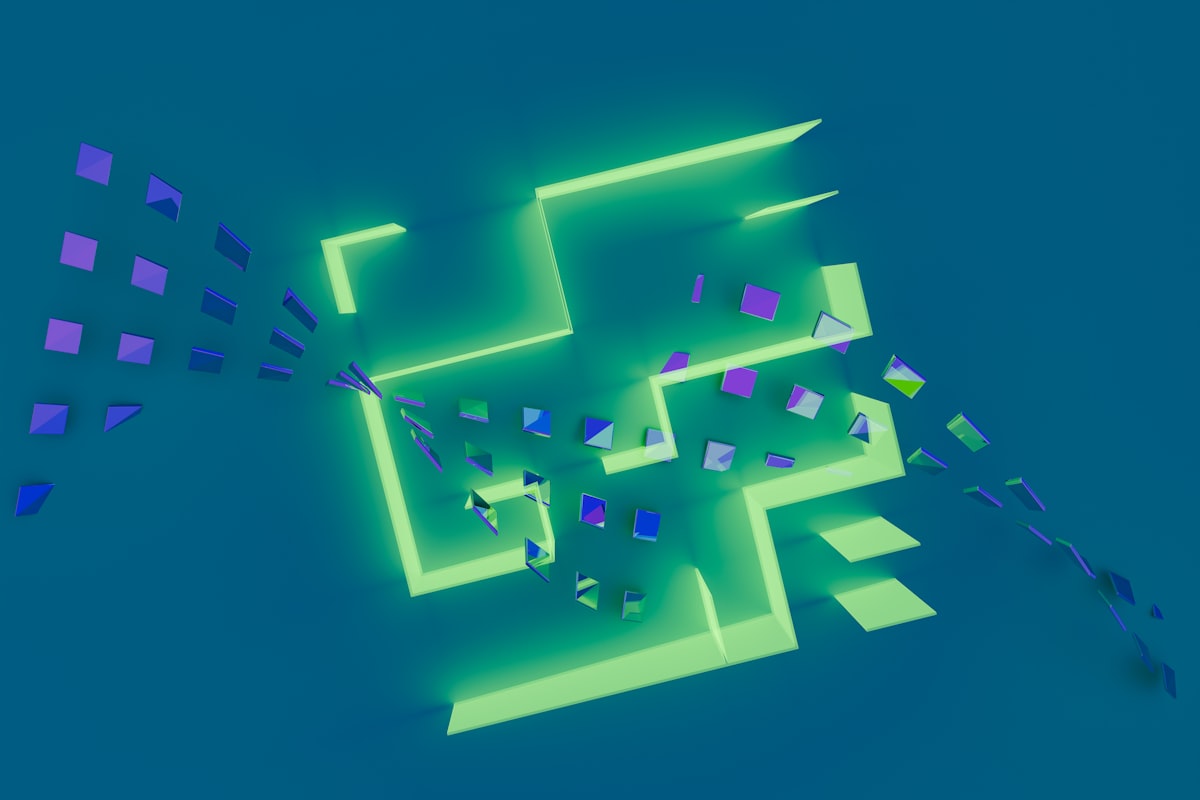
Crushed in Time is not what you expect from a puzzle game. It opens on failure. A fictional game has just launched, and the reviews flooding in are brutal. The development team is spiraling. Your job, strange as it sounds, is to step into their world and fix what broke. I played a 45-minute demo and walked away genuinely impatient for more.
Not a Sherlock Holmes game. And the setup alone signals that Draw Me A Pixel's chasing something different. But Pascal Cammisotto, writer and director, previously gave us There Is No Game: Wrong Dimension, a game that delighted in shattering the fourth wall, but with Crushed in Time he pushes the meta conceit even further. You're inside a video game that's falling apart, and Holmes and Watson are your bumbling companions through the wreckage.
A Demo That Leaves You Wanting More
The 45-minute slice I played had the tight comedic timing of a short animated film. Nothing overstayed its welcome. Every interaction felt deliberate, every joke landed cleanly. The demo ended, and I immediately wanted to know when the next one arrives. Draw Me A Pixel has promised a second demo, but the wait between now and then feels long.
Here is the part that surprised me most. The puzzles are built entirely around physical interaction with the environment. You do not gather items or manage an inventory. You poke things. You pull things. You stretch the fabric of the game world itself. It sounds gimmicky until you try it, and then it feels inevitable.
Sherlock Holmes, But Make It Absurd
Cammisotto name-drops three influences that rarely share a sentence: Sherlock Holmes, P.G. Wodehouse, and Wallace and Gromit. He told Polygon these were his starting points for building on There Is No Game. The result is a version of Holmes that would feel perfectly at home in a Blandings Castle farce. This Holmes is dingy. His deductions are, as Cammisotto put it, "among the worst imaginable." Watson is hardly any better.
The duo bumbles through the most trivial daily rituals. Fetching the mail becomes an ordeal. Opening a door requires absurd ingenuity. The ridiculous is treated as perfectly normal here, and the writing carries a lightness that keeps the jokes from ever turning obnoxious.
- Arthur Conan Doyle's detective gets a full comedic dismantling
- Wodehouse-style farce shapes the tone and dialogue
- Wallace and Gromit inspire the physical, tactile comedy
Crushed in Time has excellent comedic timing, and that matters more than most players realize. One misfired joke can sour an entire puzzle sequence. So far, the balance holds.
The Joy of Poking Everything
The first puzzle sets the tone. Holmes is asleep. You need to wake him. The phone is the obvious answer, but its cord is trapped in a knobless drawer. So you borrow the door's handle, angle a lob across the room, fit the handle onto the drawer, and slap the phone to make it ring. Then you put the knob back and realize the door is locked. Holmes is blocking the cubby where the key lives. The solution involves tugging his newspaper to annoy him until he shifts his head.

It is deliciously tactile. The world responds to pulling and poking with elastic, almost playful feedback. Once you catch on to how the physics actually work, the logic becomes intuitive.
"When the idea of creating an adventure centered around these two characters first emerged, our thinking about the gameplay came down to one question: How would Nintendo's teams approach the creation of a point-and-click game if their goal was to reach a broader audience?"
It's a genuine technical challenge. But Cammisotto said the elasticity mechanic arrived fairly quickly, but making it work took a good year because stretching pixels turned out to be a genuine technical challenge.
No Inventory. Just Intuition.
Your lack of an inventory is not a limitation. It is the point. You are not playing the game. You are a human who has entered the game world, acting directly on its elements. You have no bag, no pockets. If an object needs to move from one screen to another, the environment must physically and logically accommodate that journey.
But that's wrong. The absence of an inventory transforms how you think about every object, nothing's abstracted into a menu, and everything exists in the world obeying its rules. Crushed in Time forces you to see the environment as your only toolset.
British Humor Shapes the Tone
He hopes it's very British. Cammisotto spent a great deal of time on the situations and dialogue, wanting them interesting and funny, always serving the story or gameplay, and it all coheres into warm specific tone with plentiful unconscious references. And he describes the game as a burlesque adventure comedy that can make everyone laugh and feel something.
The Mind Behind the Meta
I asked Cammisotto about the appeal of writing a story this self-referential. His answer was direct. The meta writing in There Is No Game: Wrong Dimension was what made it successful. The relationship between the game and the player, with the fourth wall constantly breaking, is what fans loved. For Crushed in Time, preserving that meta quality was essential.
He realized no one had really played with the idea of traveling through a game's own production timeline, and it's an incredibly rich narrative angle. He said all made it.
- Traveling through the production timeline of the game itself
- Preserving fourth-wall-breaking humor from the previous title
- Designing puzzles without an inventory system
- Making the elasticity shader work across 2D and 3D elements
Why This Genre Needs a Shakeup
Point-and-click games remain stubbornly niche. Cammisotto does not mince words about it. Point-and-click games remain stubbornly niche. That reality shaped the entire design philosophy of Crushed in Time. The elasticity mechanic exists because the team wanted to move beyond the somewhat narrow point-and-click label and reach a broader audience.
Day of the Tentacle is Cammisotto's number one point-and-click game, and the visual influence is obvious.
I wanted more. But it's not the polite way preview coverage often claims, and I wanted to keep pulling at the edges of this strange, elastic world to see how much further the meta time-travel premise could stretch. If the full game delivers on the promise of its first 45 minutes, summer 2026 has a genuine standout.
Frequently Asked Questions
What is the core premise of Crushed in Time?
Crushed in Time is a puzzle game that uniquely opens on the failure of a fictional game, with brutal reviews and a spiraling development team. Players are tasked with stepping into this world to fix what broke. The game pushes a strong meta conceit, placing players inside a video game that is actively falling apart.
How does Crushed in Time's gameplay differentiate itself from other puzzle games?
Crushed in Time's puzzles are built entirely around physical interaction with the environment, requiring players to poke, pull, and stretch the fabric of the game world itself. Unlike many puzzle games, it features no item gathering or inventory management, forcing players to see the environment as their only toolset. This approach aims to move beyond the narrow point-and-click label and reach a broader audience.
Who is the creative mind behind Crushed in Time, and what previous work is he known for?
Pascal Cammisotto is the writer and director of Crushed in Time. He previously created There Is No Game: Wrong Dimension, a game celebrated for its fourth-wall-shattering humor. Cammisotto pushes this meta conceit even further in Crushed in Time, focusing on the idea of traveling through a game's own production timeline.
What are the key comedic and thematic inspirations for Crushed in Time?
Pascal Cammisotto drew inspiration from three distinct sources: Sherlock Holmes, P.G. Wodehouse, and Wallace and Gromit. These influences combine to create a version of Holmes whose deductions are 'among the worst imaginable,' infuse the tone and dialogue with Wodehouse-style farce, and inspire the game's physical, tactile comedy. The result is a burlesque adventure comedy with plentiful unconscious references and a very British sense of humor.
When is Crushed in Time anticipated to be released or make a significant impact?
Crushed in Time is anticipated to be a genuine standout in summer 2026, provided the full game delivers on the promise of its first 45 minutes. The developer, Draw Me A Pixel, has also promised a second demo. The wait for this next demo, however, is described as feeling long.

Julian Beaumont reports on entertainment and the arts, tracking the releases, festivals and figures defining popular culture. He enjoys finding the bigger story behind a film, an album or a viral moment.
💬 Comments (0)
No comments yet. Be the first!