What the Adobe TOS controversy Means for Creators
Understand the Adobe TOS controversy and what the company's updated terms of service mean for your creative work.
How the terms triggered a creator revolt
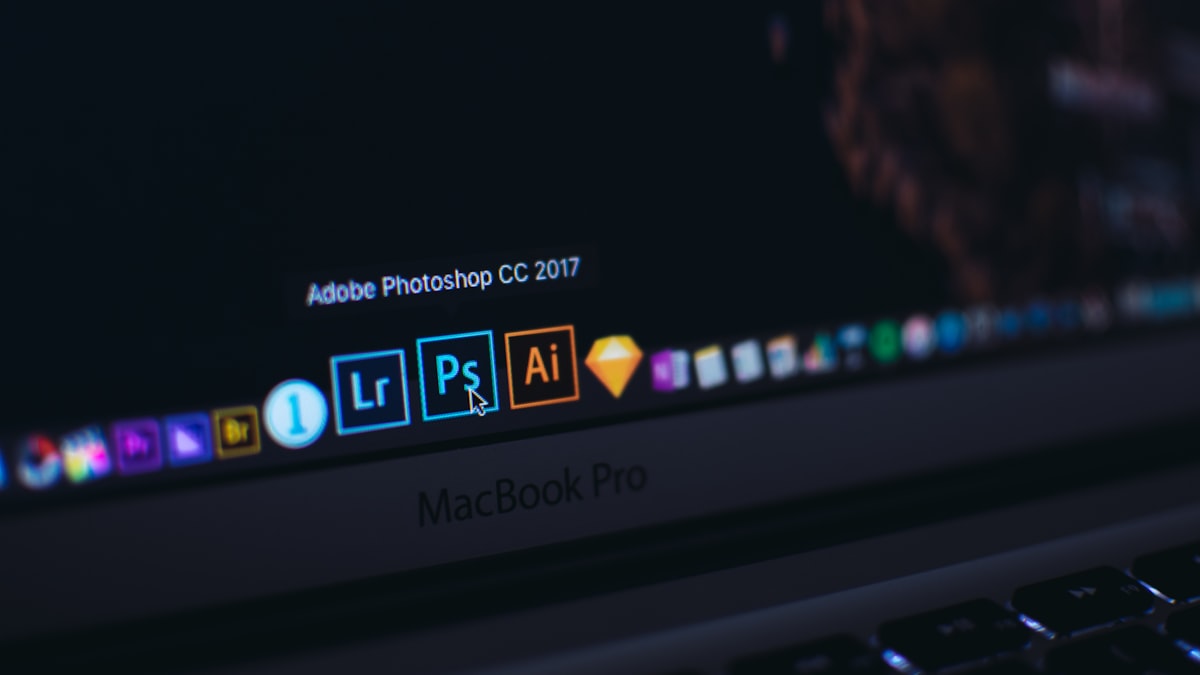
The panic began when users noticed specific language in the updated agreement that granted the company a non-exclusive, worldwide, royalty-free license to use, reproduce, distribute, and modify user content. While the company claimed these rights were necessary to operate its cloud services and run machine learning algorithms, the wording felt incredibly broad to creators. Artists immediately worried that their private portfolios, proprietary designs, and sensitive client work would be used to train artificial intelligence models. The timing of the update fueled this anxiety, as generative AI continues to disrupt the creative industry.The corporate defense and clarification attempt
In response to the growing outrage, corporate leadership scrambled to clarify their position and calm the public. Chief Product Officer Scott Belsky took to social media to address the concerns directly."We do not train generative AI on customer content. We have never done this, and we will not do it."The company explained that the controversial terms were designed for standard cloud features. They pointed to specific operational needs:
- Creating thumbnails for file organization
- Enabling cloud collaboration and sharing
- Filtering for illegal content like child sexual abuse material
- Powering feature processing like Photoshop select subject tools
The vulnerability of creative monopolies
This controversy exposed how little control creators have over their digital pipelines. Because subscription models dominate the creative software market, artists cannot simply freeze their software at an older version. They must accept the new terms or lose access to their active files. This power imbalance has left a bitter taste in the mouths of long-time customers.A growing interest in alternative tools
In the wake of the dispute, competitors have seized the moment. Independent software developers are actively marketing themselves as privacy-first alternatives. Creative professionals are openly discussing migrating their workflows to programs that do not require cloud connectivity or broad licensing agreements.What comes next for digital creators
The company has promised to rewrite the terms of service to make the language clearer and more restrictive. They insist they will explicitly state that user content will not be used to train generative AI. Trust is easy to break and incredibly difficult to rebuild. For many creators, the damage is already done, and this moment will be remembered as a turning point in the fight for digital ownership.
Frequently Asked Questions
What triggered the Adobe TOS controversy?
The controversy began when Adobe updated its terms of service, requiring users to agree to pop-up agreements that granted the company a license to access their active content through both automated and manual methods. The broad licensing language, which included rights to use, reproduce, distribute, and modify user content, caused widespread backlash among creators.
Why did creators feel threatened by the new terms?
Creators feared their private portfolios, proprietary designs, and sensitive client work could be used to train artificial intelligence models, especially with the timing coinciding with generative AI's disruption of the creative industry. Professionals under strict non-disclosure agreements saw it as a threat to their livelihoods.
How did Adobe attempt to clarify its position?
Chief Product Officer Scott Belsky stated on social media, 'We do not train generative AI on customer content. We have never done this, and we will not do it.' The company explained that the terms were necessary for standard cloud features like creating thumbnails, enabling cloud collaboration, and powering tools like Photoshop's select subject.
What vulnerability in the creative software market did this controversy expose?
The controversy highlighted how little control creators have over their digital pipelines because subscription models dominate the market, forcing artists to accept new terms or lose access to their active files. This power imbalance left long-time customers feeling trapped and distrustful.
What are creators considering as a result of the Adobe TOS controversy?
Creative professionals are openly discussing migrating their workflows to independent, privacy-first alternative tools that do not require cloud connectivity or broad licensing agreements. Competitors have seized the moment by marketing themselves as privacy-focused options.

Isabella Moretti writes about culture and society, exploring how digital life is reshaping the way we create and connect. She covers the people and ideas at the centre of the conversation.
💬 Comments (0)
No comments yet. Be the first!