XCMG SDA411 Autonomous Electric Truck Debuts
XCMG revealed the XCMG SDA411, a cab-less electric terminal tractor with L4 autonomous driving for unmanned logistics.
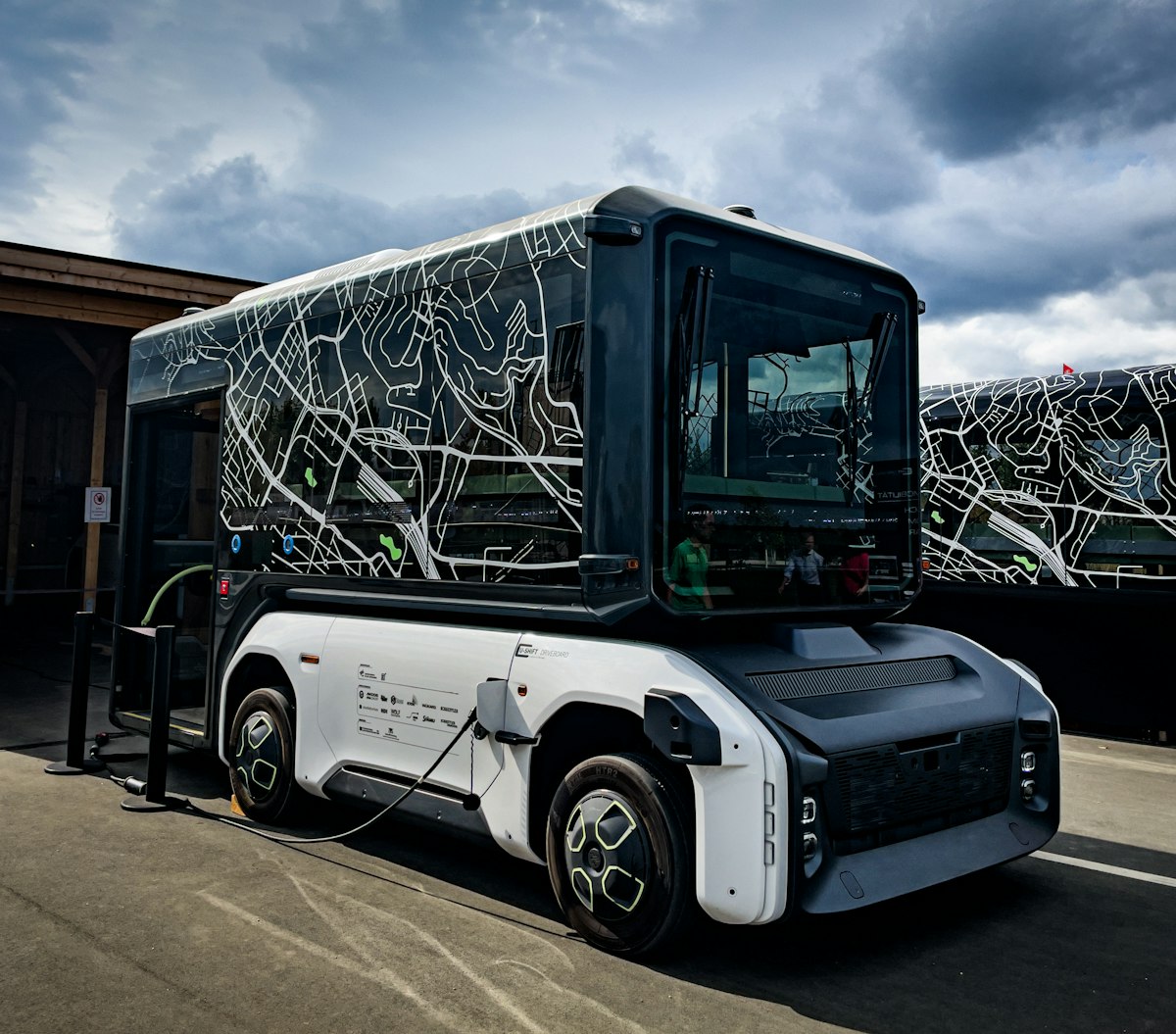
The XCMG SDA411 concept terminal truck signals a major change in how commercial yards and drayage operations manage heavy goods movement over the next few years. It’s cabless. And as a fully electric heavy vehicle, this specialized platform utilizes an L4 autonomous technology stack that’s built for unmanned logistics by targeting low-speed, high-torque, short-distance runs where traditional internal combustion engines face duty cycles that accelerate heavy wear while burning fuel inefficiently. No driver.
They're called yard dogs. These heavy duty terminal tractors perform constant precision maneuvers within confined spaces, and because they're often called terminal trucks, they demand a specialized design approach. Electrification aligns naturally with these specific duty cycles, because electric powertrains supply instant torque from zero revolutions per minute while running silently without idle emissions or mechanical vibration during long waits between load movements. So, by removing the cabin entirely, the vehicle design drops human ergonomic constraints to prioritize continuous operational utility. It's efficient.
Inside the technology stack
Humans don't steer it. And it's built around continuous navigation through busy commercial areas as the platform's core capability, while operating within mixed-traffic industrial zones requires high real-time spatial awareness to maintain safety around existing equipment and personnel.
The platform relies on several key features to handle heavy freight autonomously:
- A complete 360-degree perception system tracking surrounding obstacles in real time.
- L4 autonomous driving software tuned specifically for logistics and freight movement.
- Autonomous navigation protocols designed for complex, high-density traffic environments.
- Self-executing parking and task management systems built for tight freight slots.
- Integrated automated safety features capable of performing emergency stops when encountering unexpected hazards.
The truck navigates corporate grounds with precision. During these demonstrations, the platform executes complex pathing exercises, reacts to sudden obstacles, and triggers emergency stops to prevent dangerous collisions reliably. It can't plug itself in. But human interaction remains necessary for power replenishment, as manual attendants must connect charging equipment to the vehicle, even though it autonomously maneuvers directly up to the charging point.
Addressing critical labor shortages
Industrial sectors globally face an acute shortage of heavy vehicle operators because younger generations aren't entering commercial driving roles in sufficient numbers to offset an aging workforce, even in positions offering six-figure compensation packages. It's a persistent gap. And it creates bottlenecks across shipping hubs, distribution nodes, and port operations.
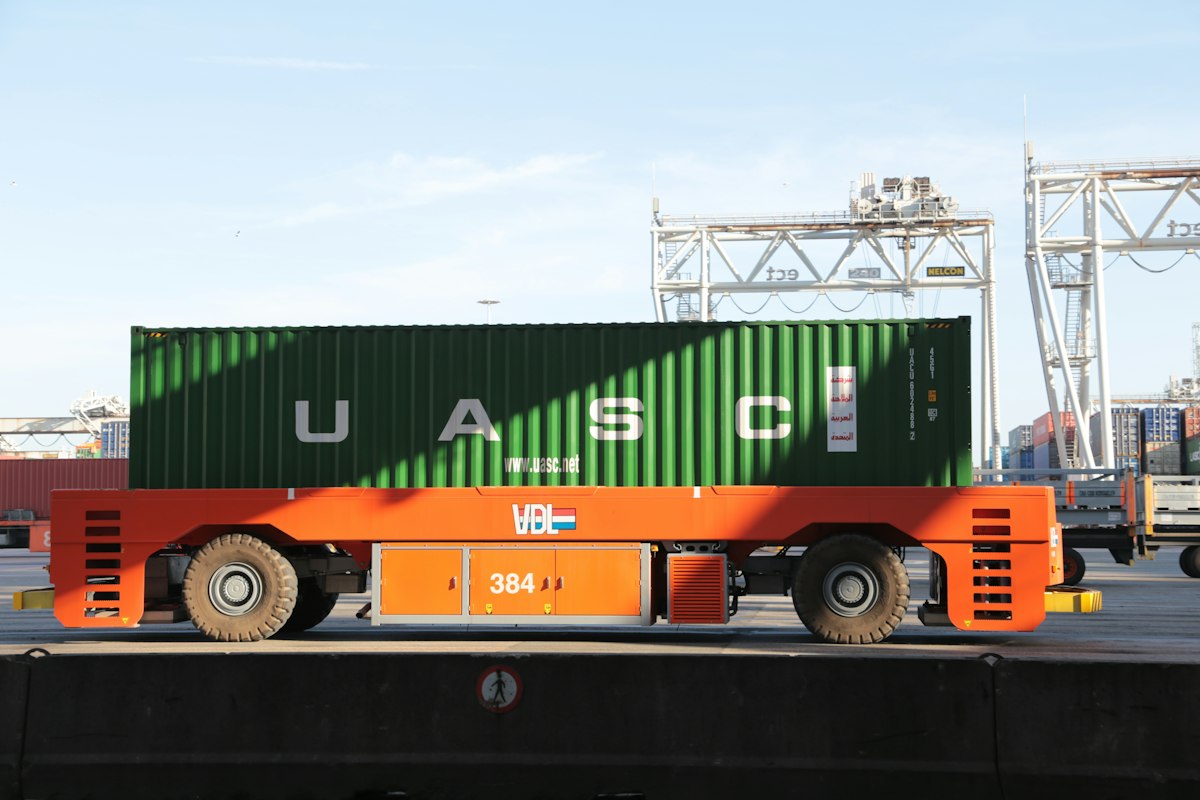
They don't eliminate human roles. But when qualified human drivers are unavailable, unmanned vehicles directly target this deficit by keeping freight moving, while deploying autonomous machinery shifts labor requirements toward system management and fleet supervision.
There's no cab. Instead, this platform is purpose-built for unmanned logistics with an L4 autonomous driving system, relying on a 330° perception system to navigate autonomously, avoid obstacles, execute tasks, and park. And it supports continuous mixed-traffic operations in demanding environments.
Experienced drivers can transition into supervisory oversight by monitoring multiple self-driving units from a central control room, a structural change that reduces physical strain on operators while extending their professional careers. It's opening logistics roles. So, they're accessible to individuals who'd otherwise avoid traditional long-haul or yard driving conditions.
A radical rethink of vehicle geometry
Traditional trucks dedicate a large portion of their structure to protecting occupants, housing climate control systems, and maintaining sightlines from an elevated seat, but designing transport vehicles without human operators changes physical industrial chassis engineering. So they don't need operators.
Engineers don't have to navigate constraints, so they're free to focus entirely on structural rigidity, low centers of gravity, and the accessibility of components. Real life bites. But moving from a concept showcase to active commercial fleet integration brings practical maintainability challenges that complicate the entire process, as technicians must now address mechanical issues beyond simple software execution.
Maintenance considerations in active yards
Regular servicing can't be skipped. It doesn't matter how advanced a vehicle's control systems are. So fleet mechanics servicing a vehicle operating in heavy industrial environments must retain clear physical access to mechanical assemblies, low-voltage control electronics, and heavy drivetrain hardware.
Key practical realities for cab-less industrial designs include:
- Accessing component points without standard cab-tilt or engine-hood mechanisms.
- Manually unlocking or securing kingpin mechanisms when electronic couplings fail.
- Protecting sensitive perception sensors from dirt, debris, and weather exposure.
- Maintaining high-voltage battery architecture in demanding, multi-shift environments.
The future of yard drayage
Specialized industrial transport changes rapidly. It's clear that the push toward fully automated, zero-emission yard transport highlights this pace, given that closed or semi-controlled commercial sites offer an ideal proving ground for self-driving technology. But consumer autonomous cars face complex legal and road environments.
As commercial deployments expand, the performance of platforms like the XCMG SDA411 will demonstrate whether cab-less designs can handle the rugged, everyday demands of real-world logistics hubs.
Frequently Asked Questions
What is the primary function of the XCMG SDA411 autonomous electric truck?
The XCMG SDA411 is a cabless, fully electric heavy vehicle designed for unmanned logistics. It specifically targets low-speed, high-torque, short-distance runs in commercial yards and drayage operations where traditional vehicles often face high wear and fuel inefficiency.
Why does the design of the XCMG SDA411 exclude a traditional operator cabin?
Removing the cabin entirely allows engineers to drop human ergonomic constraints to prioritize continuous operational utility. This design freedom enables a focus on structural rigidity, low centers of gravity, and easier accessibility of mechanical components.
How does the XCMG SDA411 navigate complex industrial environments safely?
The platform utilizes an L4 autonomous driving technology stack, which includes a 360-degree perception system for real-time obstacle tracking. It also features autonomous navigation protocols for high-density traffic and integrated safety features capable of performing emergency stops when unexpected hazards are encountered.
Who is intended to manage the XCMG SDA411 fleet as it integrates into operations?
The platform shifts labor requirements toward system management and fleet supervision rather than manual driving. Experienced drivers can transition into these oversight roles, where they monitor multiple self-driving units from a central control room.
What practical challenges must be addressed for the maintenance of a cabless vehicle like the XCMG SDA411?
Maintenance teams must find ways to access mechanical assemblies and high-voltage drivetrain hardware without standard cab-tilt or engine-hood mechanisms. Technicians are also responsible for protecting sensitive perception sensors from environmental debris and ensuring the battery architecture functions in demanding, multi-shift environments.

Clara Rossi covers the motoring world, with a focus on electric vehicles, design and the shift toward cleaner transport. She tests the latest models and explains what matters to drivers beyond the spec sheet.
💬 Comments (0)
No comments yet. Be the first!