What Makes Sebring Works' Retro EVs So Special?
Sebring Works blends classic 1950s and 1960s styling with modern EV platforms, offering vehicle-to-home power and up to 150 mph performance from around $143,000.
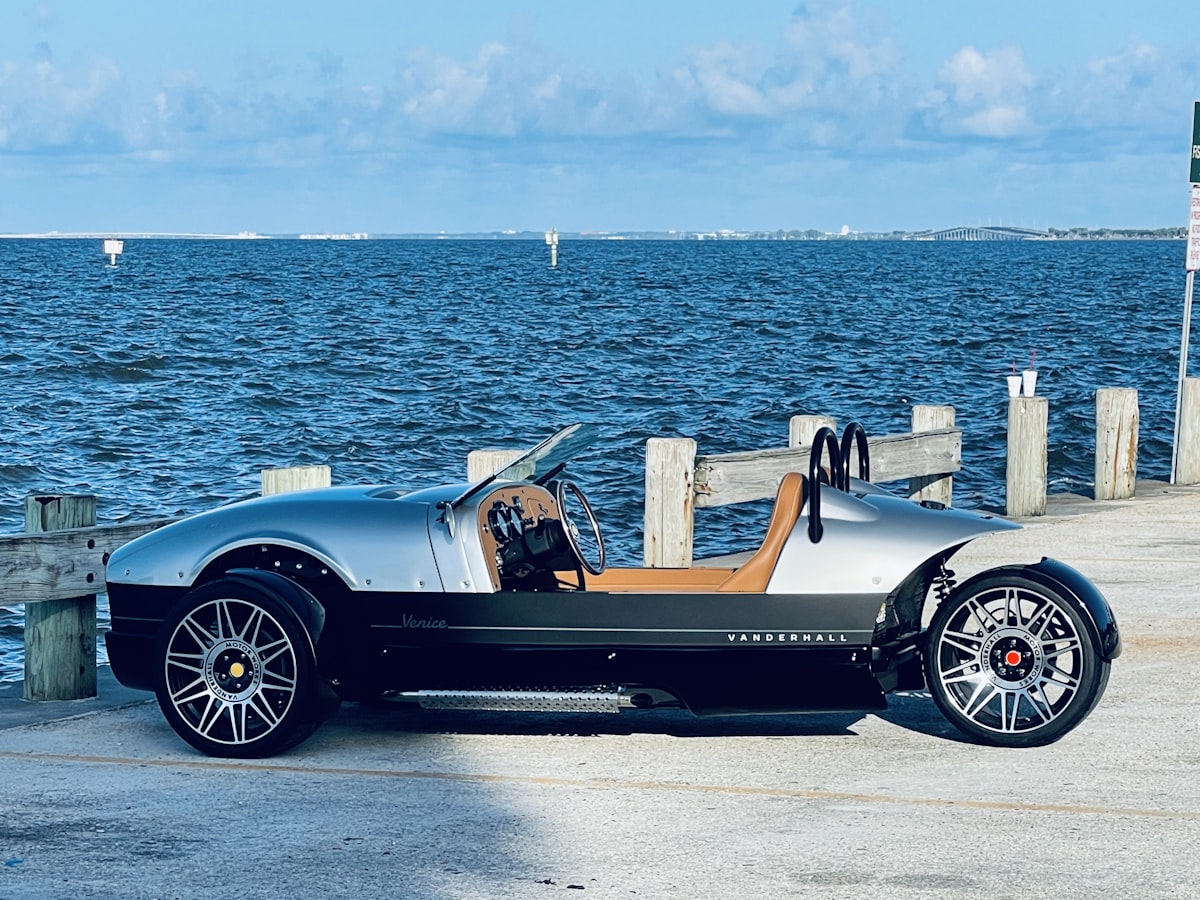
Sebring Works builds the car you probably sketched in a high school notebook. A vintage shape that turns heads, needs zero tinkering, and can even back up your house. That sounds like fantasy. But the company is real, shipping cars, and stacking orders on both sides of the Atlantic.
Gary White, CEO and co-founder, did not set out to start a car company. He and his wife were just tired of their classic MGB GT leaving them stranded. So they did what any reasonable person with a software background would do. They explored an EV conversion.
That is where the story takes a sharp turn.
From Frustration to a Fresh Start
An EV conversion solves the reliability problem. No argument there. But White quickly saw the bigger issue. Old cars still have old bones. The suspension is dated. The brakes are terrifying by modern standards. The structure itself was engineered decades before anyone worried about crumple zones. Conversions fix the powertrain. They do not fix the car.
So White and his team asked a different question. What if you built a brand-new platform underneath that classic shape? A modern EV skateboard chassis wearing a vintage body. No compromises. No rusty mounting points. No praying the thing starts after a rainstorm.
The Truth About Cars reported on this in May 2026 through the TTAC Creators Series, and the conversation with White reveals a company that is not chasing purists. They are chasing people who love how classics look but have zero interest in living with one.
Why Not Just Convert an Old Car?
Conversions are popular. White looked at them hard. But his company, Sebring Works, took the harder and more expensive path. They engineered a modular skateboard chassis from scratch. Fiberglass and composite body molds drop on top. Off-the-shelf OEM suspension and braking components handle the messy bits underneath.
The result is a car that looks like an Austin Healey 3000, a Porsche 356, or an AC Cobra. But underneath, it shares a common platform. One chassis. Multiple body styles. Scalable production without building every car from a donor shell held together by hope and bondo.
But here is the catch. Sebring Works is not trying to recreate the feel of a 1960s roadster. White is blunt about this. The goal is a modern EV that just happens to look like a classic. It drives like a current car. It brakes like one. It does not leak oil on your garage floor. For some enthusiasts, that is missing the entire point. White is fine with that. The order book tells him plenty of people disagree.
The Specs That Actually Matter
Let us cut through the noise. Here is what you get when you buy a Sebring Works car:
- 55 kWh battery pack
- 0 to 60 mph in under 6 seconds on standard models
- Up to 150 mph and sub-3-second 0 to 60 on high-performance variants
- Vehicle-to-home (V2H) capability that lets the car power your house
- Software-controlled performance tuning across all variants
- Over-the-air updates, diagnostics, and usage analytics built in
The V2H feature deserves a second look. Most EV buyers think about going fast or saving on gas. Sebring Works is thinking bigger. Your weekend toy becomes a backup battery for your home. That shifts the value conversation entirely. It is not just a car. It is part of a home energy setup.
That Fake Engine Noise Debate
Sebring Works offers optional synthetic V8 sounds. You read that right. A silent EV can pretend to rumble. But here is the unexpected part. White admits his team has mixed feelings about fake engine noise. They offer it because some customers want it. They are not pretending it is authentic. They are just giving buyers the option.
Real talk: if you want the sound of a big V8, you probably want the maintenance headaches that come with one too. But some people want the noise without the oil stains. Sebring Works lets you make that call.
What Your Money Gets You
$143,000. That is where pricing starts, delivered in the US, depending on taxes and your state. That is not pocket change. It firmly places Sebring Works among serious collectors and buyers who already have a daily driver and a garage to fill.
The company currently builds about one car per week. Capacity tops out around 200 vehicles annually. Nearly 40 cars sit in the build queue right now. They sell in the UK and the United States, in both right-hand and left-hand drive. And they are considering opening a US assembly facility, likely somewhere on the East Coast.
White says his software background mattered more than any engineering degree. Running a scalable business, managing product strategy, building data systems. That is what moves the needle when you are inventing a new kind of car company from scratch. Sebring Works also developed its own software stack for vehicle monitoring, diagnostics, and over-the-air updates.
The Real Question: Is This For You?
If you want the authentic vintage experience, the squeaks, the smells, the weekly tinkering sessions, this is not your car. Walk away. Buy the real thing and budget for a mechanic on speed dial. Sebring Works is for the person who loves the shape of a 1950s roadster but wants to press a button and go. Every time.
The buyer is driven by emotional nostalgia, not spec sheets. They want the look. They want the vibe. They do not want the drama. And they are willing to pay for that privilege.
The episode frames Sebring Works as part of a bigger shift. EVs do not have to mean anonymous crossovers and silent sedans. They can preserve automotive passion while killing the parts of classic ownership that make you curse in a cold garage. That is the bet White is making. So far, the market is nodding along.
Quick question: would you trade a genuine vintage VIN for a car that just works? For a growing number of buyers, the answer is yes. Sebring Works is counting on it.
Frequently Asked Questions
What distinguishes Sebring Works' retro EVs from traditional classic car EV conversions?
Sebring Works takes a different approach by building a brand-new, modern EV skateboard chassis from scratch, rather than merely converting an old car's powertrain. This allows them to integrate modern suspension, braking components, and a contemporary structural design beneath the vintage body. Standard EV conversions, in contrast, fix only the powertrain but not the underlying dated bones of the original vehicle.
Why did Gary White, CEO of Sebring Works, decide to found a company creating these unique vehicles?
Gary White and his wife were tired of their classic MGB GT frequently leaving them stranded, which initially led them to consider an EV conversion for reliability. However, White quickly realized that conversions only address the powertrain and not fundamental issues like dated suspension, terrifying brakes, or an old structural design. This insight prompted him to build a company that would create a brand-new platform underneath the classic shape, solving all these problems.
What are some of the key specifications and advanced features offered in Sebring Works cars?
Sebring Works vehicles come with a 55 kWh battery pack and can accelerate from 0 to 60 mph in under 6 seconds on standard models, with high-performance variants achieving this in under 3 seconds. A notable feature is Vehicle-to-home (V2H) capability, allowing the car to power your house, along with software-controlled performance tuning, over-the-air updates, diagnostics, and usage analytics.
Who is the target audience for a Sebring Works retro EV, and what do they prioritize?
The target audience for Sebring Works is people who appreciate the aesthetic of classic cars but have no interest in the frequent tinkering or reliability issues associated with owning one. These buyers are driven by emotional nostalgia for the vintage look and vibe, desiring a car that presses a button and goes every time, without the drama of traditional classic ownership.
Does a Sebring Works vehicle aim to replicate the authentic driving experience and feel of a classic car?
No, Sebring Works is not attempting to recreate the feel of a 1960s roadster; its explicit goal is to provide a modern EV that happens to look like a classic. The cars drive and brake like a current vehicle and are designed not to suffer from common classic car problems such as oil leaks. While they offer optional synthetic engine sounds, the focus is on modern performance and reliability within a vintage shell.

Dominic Fischer writes about cars and the future of mobility, covering everything from new launches to charging infrastructure. He follows how the way we drive is changing and what comes next on the road.
💬 Comments (0)
No comments yet. Be the first!