I Found a 1971 Ford Maverick Grabber
I discovered a fading 1971 Ford Maverick Grabber at a New Mexico salvage yard, complete with a manual transmission.
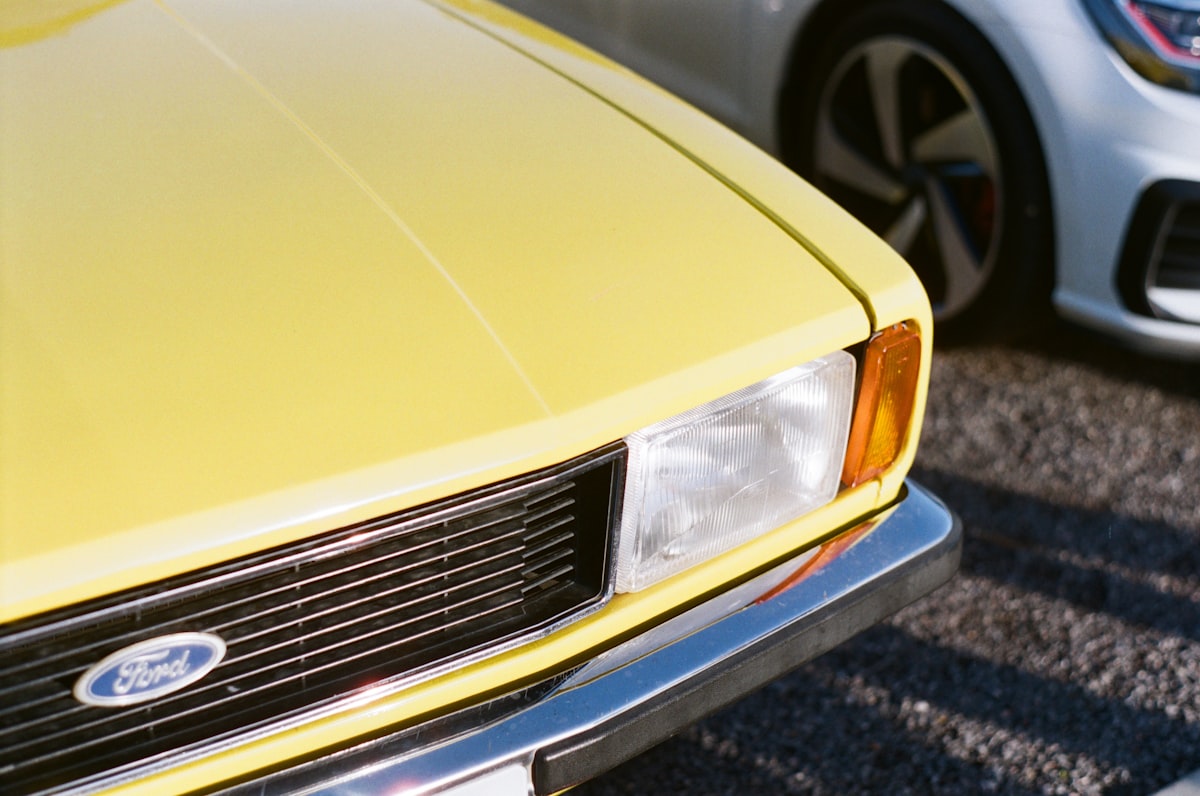
The 1971 Ford Maverick Grabber was a budget-friendly option. It offered buyers a way to look sporty without paying muscle car prices, and it was available for the 1971 through 1975 model years. But today, to earn genuine respect at a traditional American car show, your ride pretty much has to be a clean Grabber. That's the reality. This vehicle began its life as a cheap compact, lacking any genuine high-performance production version from the factory, so it doesn't have an automatic pedigree. Buyers could opt for slightly rebellious paint color names like Anti-Establish Mint, Hulla Blue, Original Cinnamon, and Freudian Gilt. Otherwise, you're invisible. The standard Maverick was just a commuter car.
Think back to the early 1970s. It was a simple trick. The easiest way to make a cheap commuter vehicle seem cooler and more youthful was to make it look exactly like a muscle car, and Ford pulled that off by giving the Grabber the hood scoops, hood bulges, and graphics of a Mustang Mach 1 or a Super Cobra Jet Torino. It delivered that aggressive look without the fat price tag or the wild powertrain. But today, automotive marketers assume that young car buyers, along with older buyers who want to look youthful, want a crossover that looks outdoorsy and vaguely military. The basic concept remains exactly the same as the Maverick Grabber. People still want to look cool while driving, even if they're not rich.
The Reality of a Cheap Sporty Compact
Mavericks make great drag cars. This is especially true of the four-door models, where a hot-rodded version packed with a built 460 engine can turn heads on any cruise night and leave spectators in awe of its raw power. But the Grabber is your best choice if you want a stock Maverick that impresses the traditionalists sitting on their coolers at nostalgia-drenched car shows. Ford wasn't alone in this segment. Several Detroit competitors were busy selling cheap, sporty-looking two-door compacts during the early 1970s, so Chrysler offered various A-Bodies like the Duster, Scamp, Demon, and Swinger, while AMC had the Hornet hatchback and General Motors sold kicky trim packages for the Nova.
But a key difference separated those rival compacts from the Maverick. Buyers of competing models could actually get genuine high-performance versions by the standards of the era. It didn't have that. The largest-displacement motor ever offered in a factory Maverick was the 302-cubic-inch Windsor V8, and that specific option did not even become available until the second model year.
A Rough New Mexico Junkyard Discovery
Aguirre Salvage sits in northern New Mexico. This operation mostly focuses on metal recycling but still keeps some old iron scattered around the yard, and it was here that a highly weathered Grabber was spotted sitting in the dirt. The car was rough. It's sufficiently beat-up that it wouldn't have been worth photographing at all if it hadn't been a genuine Grabber. But the door with the build tag was missing, so the exact year of manufacture couldn't be determined, though the original small bumper suggests it's a 1971 or 1972 model.
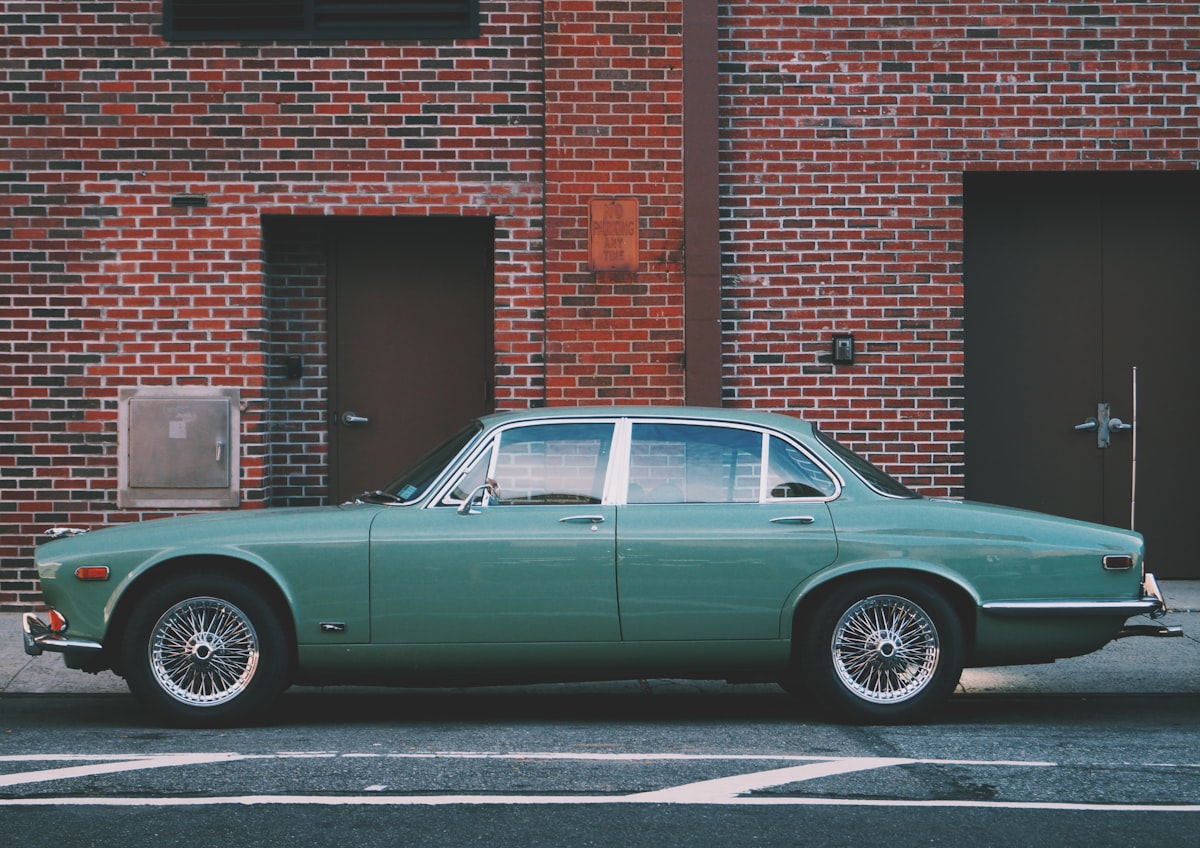
The elements have not been kind to this particular vehicle. Decades spent under the intense high-desert sun have completely ruined the interior. Looking at the exterior, the left side of the car has had much more paint burned off than the right side, leading to the logical assumption that the vehicle faced south for decades while sitting under the sun. It sat in the yard near a fairly complete 1978 Alfa Romeo Sprint Veloce that has reportedly since been crushed, raising the distinct possibility that this rare Grabber met the same fate.
Pricing and Mechanical Elements
A look back at the original pricing reveals how affordable this sporty package was when new. The baseline financial details for the vehicle include:
- The original base MSRP for a 1971 Maverick Grabber was $2,354.
- This starting price equates to roughly $19,752 after adjusting for inflation.
- The base configuration came with a three-on-the-tree manual transmission.
- The standard powerplant was a 170-cubic-inch straight-six engine.
- Grabber Blue paint and Grabber Racing Stripes were extra-cost options.
This specific junkyard find still has some flavor of Ford straight-six engine under its hood. It could be the base 170, the optional 200, or perhaps another size swapped in later like a 144 or a 250, but identifying the exact block by checking the casting numbers was bypassed due to a freezing, windy February day in northern New Mexico. For the 1971 model year, the only transmission choices offered by Ford were a three-speed manual and a three-speed automatic. And this salvage car features a manual setup. It's modified with an old floor-mounted Hurst Indy shifter.
Reflecting on the Maverick Legacy
The vehicle's simplicity? It was once a huge selling point. Vintage advertisements even claimed that the Maverick was so simple five stewardesses could completely reassemble one, and for buyers of the era that was a clear value proposition. But there were no monster engines, no monster prices, no high insurance costs, and no need for premium gas. It's that straightforward.
Modern enthusiasts still look back at these vehicles with a mix of nostalgia and realism regarding their performance and handling characteristics. Commenting on the driving dynamics of a V8-equipped version, enthusiast SCE to AUX noted:
My dad's 74 Maverick 302 had 140 HP and 240 ft-lbs of torque, which seemed like a rocket at the time. Handling? 14" tires, leaf springs, solid axle, vague power steering, and a V8 block up front. Not great.
About the era. Most vehicles from the 1970s did not handle or steer well when compared to modern machinery, but they represented affordable, accessible transportation that a high school student with an after-school job could realistically buy with a parent cosigning the loan. While this New Mexico survivor may now be gone, it remains a fascinating relic of Detroit's classic era of affordable style.
Frequently Asked Questions
What was the 1971 Ford Maverick Grabber?
The 1971 Ford Maverick Grabber was a budget-friendly option that offered buyers a way to look sporty without paying muscle car prices. It was available from the 1971 through 1975 model years.
Why did Ford design the Maverick Grabber to look like a muscle car?
Ford gave the Grabber hood scoops, hood bulges, and graphics of a Mustang Mach 1 or Super Cobra Jet Torino to make a cheap commuter vehicle seem cooler and more youthful. This delivered an aggressive look without the high price or wild powertrain.
How could the exact year of the junkyard Grabber be identified?
The exact year could not be determined because the door with the build tag was missing. However, the original small bumper suggests it is a 1971 or 1972 model.
What was the original base MSRP of a 1971 Maverick Grabber?
The original base MSRP for a 1971 Maverick Grabber was $2,354. After adjusting for inflation, this equates to roughly $19,752.
Who commented on the driving dynamics of a V8-equipped Maverick, and what did they say?
Enthusiast SCE to AUX commented on the driving dynamics, noting that a 1974 Maverick 302 had 140 HP and 240 ft-lbs of torque, which seemed like a rocket at the time. They added that handling was not great due to 14-inch tires, leaf springs, a solid axle, and vague power steering.

Sebastian Wolf reports on the car industry, from performance machines to the engineering that powers them. He is fascinated by how manufacturers balance tradition with the rapid move to electrification.
💬 Comments (0)
No comments yet. Be the first!