I Drove the Volvo EX60: Moose-Proof, Megacast, and a One-Pedal Dream
The new Volvo EX60 combines moose-proof safety, megacast aluminum construction, and cell-to-body battery tech. Our first drive reveals a smooth one-pedal EV with 400-mile range.
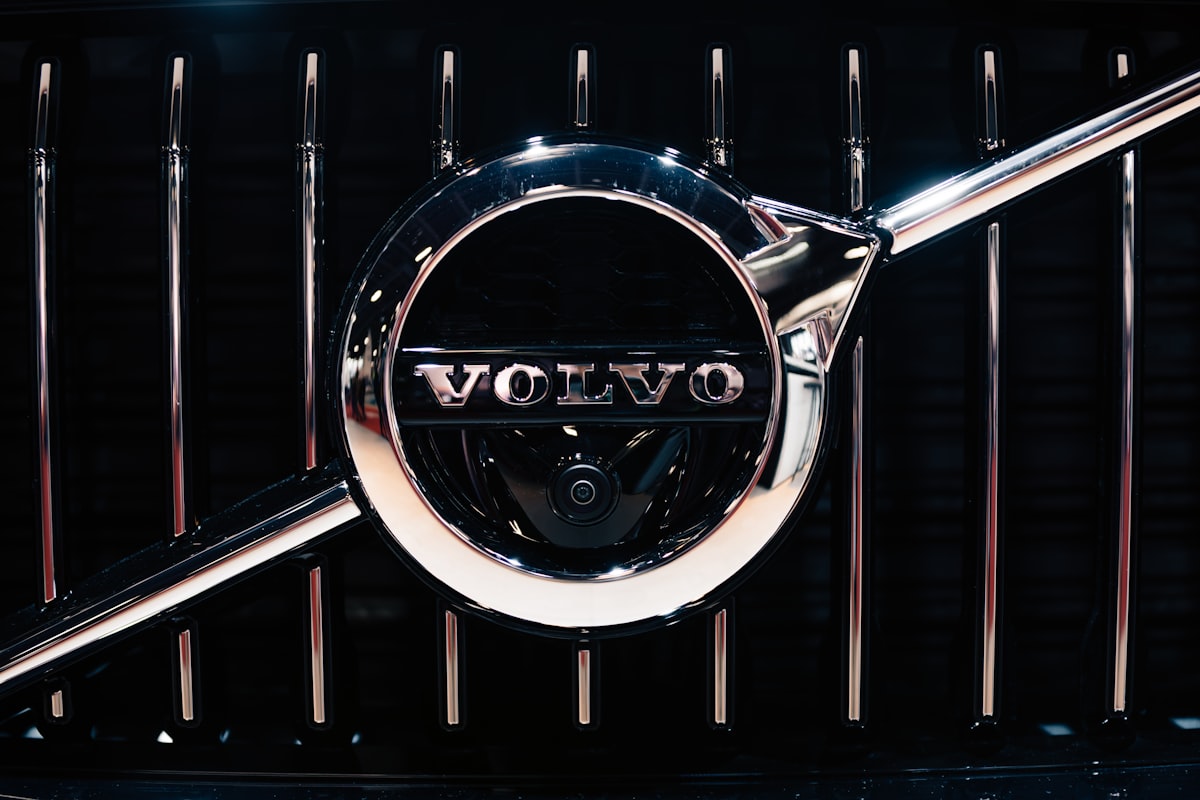
The Volvo EX60 arrives with a list of distinctions that would make any product planner proud: first model on the SPA3 platform, up to 400 miles of range, 800V charging, and a production technique borrowed from Tesla's playbook. But the detail that sticks with you, the one you will bring up at dinner, is the moose. Specifically, the 800-pound rubber moose crash test dummy Volvo uses to make sure this car can protect you when a half-ton animal comes through the windshield. I drove the Volvo EX60 in and around Barcelona, Spain, and the experience revealed an EV that feels less like a first-generation experiment and more like a car built by a company that has been paying close attention.
Moose-Proof Is Not a Metaphor
Sweden does not have the most moose in the world, but it does have the highest density, according to the Alaska Department of Fish and Game. Moose density in Scandinavia is about 3.5 times greater than in Alaska. These animals are serious traffic hazards, especially at dusk and dawn, and Volvo knows it from decades of painful experience. Every model the company builds goes through a moose test using a life-size rubber dummy weighing nearly 800 pounds. The danger is not theoretical. The Wildlife Roadsharing Resource Center, a project under Canada's Traffic Injury Research Foundation, explains the mechanics with chilling clarity:When a vehicle hits a moose, the bumper, engine, and built-in crumple zones of the car that are intended to absorb the majority of an impact only hit the thin legs. The full weight of the moose's upper body instead impacts the windshield and roof of the vehicle.When a moose's body slams down on the roof, passenger survival odds drop fast. Volvo safety expert Isabelle Stockman says the Volvo EX60 was designed with super-strong A-pillars and a header to shield occupants from exactly this scenario. There is even a small moose Easter egg tucked under the side mirrors. A quiet nod to a very large problem.
Anatomy of a Megacast Floor
Volvo is now megacasting the rear floor section of the Volvo EX60, replacing more than 100 individual parts with a single aluminum component. The technique is not new. Tesla has used it for years. Toyota is adopting it. Honda runs six 6,000-ton die-casting machines in Ohio. But Volvo's approach is measured and deliberate. The rear floor casting incorporates what Volvo describes as buttress-like structures in the wheel wells. Think flying buttresses on a Gothic cathedral. Vertical and lateral reinforcement that channels force down and away from the cabin. Volvo engineer Mats Brodin calls himself an "architect of megacasting," and the metaphor fits perfectly. Brodin says the cast is 50 percent recyclable aluminum from post-consumer materials, mixed with a small amount of silicon. The molten material is forced into the megacast machine in roughly 90 milliseconds and takes about a minute to dry. Two machines are running at the Torslanda plant near Gothenburg, Sweden. Volvo invested 10 billion Swedish kronor in the facility. That figure converts to roughly $1.1 billion. But there is a catch. If a megacast piece gets damaged in a crash, it is not easily repairable. It likely becomes scrap. That is exactly why Volvo chose to megacast only the rear floor section rather than a larger structural piece. The ambition is there, but so is the restraint.The Battery Becomes the Body
The Volvo EX60 uses a structural battery design the company calls cell-to-body integration. Instead of bolting a heavy battery pack to the chassis, the cells are integrated directly into the vehicle floor. The battery essentially becomes the floor itself. That saves weight, improves packaging efficiency, and opens up cabin space. It is the same fundamental approach used in the BMW iX3 and Tesla Model Y.HuginCore and the AI Brain
The Volvo EX60 runs on HuginCore, Volvo's proprietary software-defined vehicle platform named after a mythological Norse raven. It handles over-the-air updates with minimal customer disruption and powers the Google Gemini AI engine baked into the car. The conversational AI allows natural requests like "Hey Google, it's hot in the front row. Can you help?" or "Hey Google, let's talk" to open an ongoing dialogue. The car responds without the stilted command syntax that makes most voice assistants feel like you are yelling at a router. At the top of the lineup, the P10 Ultra packs a 28-speaker Bowers & Wilkins system pushing 1,820 watts of three-dimensional Dolby Atmos sound. Playing Rammstein and Rob Zombie through it genuinely impressed me. The music segments cleanly across the cabin, wrapping around you like true surround sound. It ranks among the best audio setups I have heard in a car at this price.One Pedal, Zero Jerk
I barely touched the brakes on the twisty roads outside Barcelona. The Volvo EX60's one-pedal driving calibration is the best I have used. Most one-pedal systems jerk when you lift off the accelerator. The transition between regeneration and friction braking feels abrupt and hard to modulate. This one does not. It is smooth, predictable, and genuinely relaxing. I have never been a big fan of one-pedal driving for exactly that reason, but Volvo got the pedal mapping exactly right. That alone makes the Volvo EX60 stand out in a crowded $60,000 luxury EV field.The Touchscreen Tradeoff
Not everything lands perfectly. The EX60 uses digital vent controls, meaning you adjust airflow direction exclusively through the touchscreen. Living in a place like Texas, where summer demands a fan blasting your face until your eyes dry out and you need to redirect the flow, this is maddening. You want to nudge the airflow a few degrees without diving into menus. The EX30 had the same issue, and Volvo carried it forward unchanged. A single physical knob for vent direction would not ruin the clean Scandinavian aesthetic. The pricing ladder breaks down cleanly across three trims:- P6 Plus (entry-level): $59,795
- P10 AWD Ultra: $68,745
- P12: Coming later with even more power and range
Frequently Asked Questions
What is unique about the Volvo EX60's safety testing?
The Volvo EX60 undergoes a specific "moose test" using an 800-pound rubber dummy to ensure occupant protection from large animal collisions. This is crucial because a moose's upper body can impact the windshield and roof during a crash, which is addressed by the EX60's super-strong A-pillars and header. This testing reflects the high density of moose in Scandinavia and the serious traffic hazard they pose.
How does the Volvo EX60 utilize megacasting in its manufacturing?
The Volvo EX60 employs megacasting for its rear floor section, consolidating over 100 individual parts into a single aluminum component. This process uses 50 percent recyclable aluminum from post-consumer materials and is carried out at Volvo's Torslanda plant. Volvo chose to limit megacasting to the rear floor because such large cast pieces are not easily repairable if damaged in a crash.
Describe the battery design approach of the Volvo EX60.
The Volvo EX60 features a structural battery design referred to as "cell-to-body integration," where the battery cells are directly integrated into the vehicle floor. This innovative method effectively transforms the battery into the floor itself. This design choice contributes to weight savings, improved packaging efficiency, and increased cabin space.
What makes the one-pedal driving in the Volvo EX60 stand out?
The Volvo EX60's one-pedal driving calibration is noted for being exceptionally smooth, predictable, and relaxing. Unlike many other systems, it avoids the common jerkiness felt during the transition between regeneration and friction braking. This precise pedal mapping sets a new benchmark for the segment and distinguishes the EX60 in the luxury EV market.
What software and AI capabilities are integrated into the Volvo EX60?
The Volvo EX60 operates on HuginCore, Volvo's proprietary software-defined vehicle platform, which enables over-the-air updates with minimal customer disruption. This platform also powers the embedded Google Gemini AI engine, allowing for natural, conversational requests. The AI responds without the typical stilted command syntax, facilitating an ongoing dialogue with the vehicle.

Sebastian Wolf reports on the car industry, from performance machines to the engineering that powers them. He is fascinated by how manufacturers balance tradition with the rapid move to electrification.
💬 Comments (0)
No comments yet. Be the first!