Tesla Solar Roof on Life Support, Pivots to Panels
Tesla Solar Roof installed roughly 3,000 systems, far short of its 1,000-per-week target, and is now pivoting to panels.
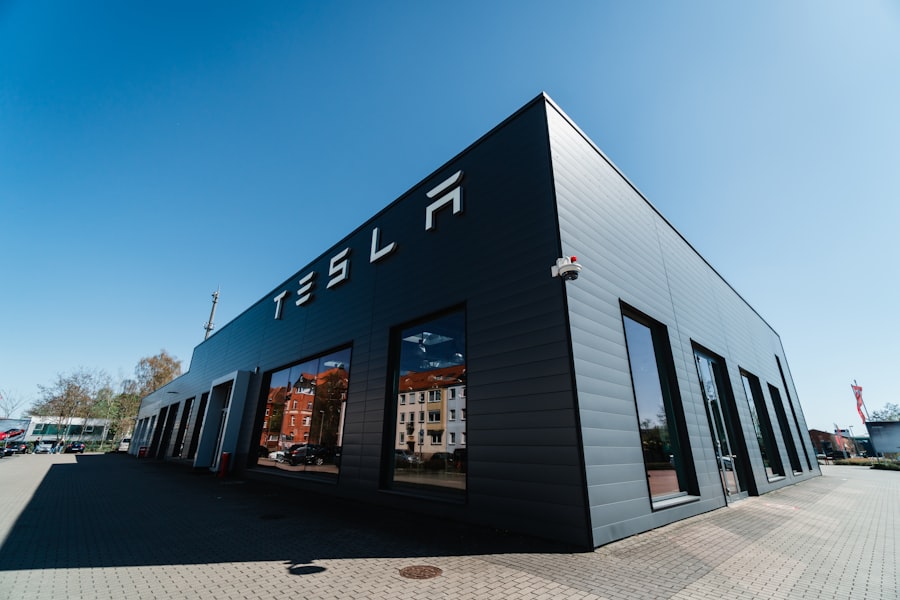
Tesla Solar Roof is shifting focus. The ambitious product, once pitched as a direct replacement for traditional roofing with integrated solar cells, is now being deprioritized in favor of standard solar panels. The move marks a significant retreat from the original vision, and it signals a practical, if disappointing, recalibration of the company's energy strategy.
The shift to panels was reported by Electrek, which detailed Tesla's quiet pivot away from the Solar Roof. Instead of pushing the complex glass tile system as a standalone offering, the company is now steering customers toward conventional solar panel installations. It is a pivot that acknowledges the harsh realities of manufacturing and installation costs, as well as customer adoption rates that never matched the early hype.
The Hard Reality of the Solar Tile
The concept was always ambitious. The idea of a roof that generates electricity while looking like a premium architectural feature, rather than a clunky array of panels, appealed to homeowners who valued aesthetics. The company promised durability, energy production, and a sleek profile that could outlast standard asphalt shingles. But turning that promise into a mass-market product proved far more difficult than anticipated.
Installation complexity was a major hurdle. Each tile requires careful handling, specialized connectors, and precise placement. Traditional solar panels, by contrast, are a mature technology with a well-established supply chain and a large pool of trained installers. The company's solar roof required a smaller, more skilled labor force, and that bottleneck limited scaling. As a result, wait times stretched and costs remained high.
What the Pivot Actually Means
The shift to panels does not mean the solar roof is dead. But it is clearly on life support. The company will still offer the product for customers who insist on the look, but the primary sales and marketing efforts will now focus on conventional solar panel systems. This allows the company to compete more directly with other residential solar providers without the overhead of a bespoke roofing product.
the solar roof was never going to be the volume driver that investors hoped for. It was a niche product with high margins in theory but low margins in execution. Panels, while less glamorous, offer a faster path to scaling installations and generating recurring revenue through energy storage and grid services. The company can install panels on existing roofs quickly, without needing to tear off and replace the entire roofing structure.
Customer Impact and Market Realignment
For customers who already ordered a solar roof, the transition will likely cause delays and confusion. Others may choose to wait, but with fewer resources being allocated to the tile system, the timeline for completion could stretch indefinitely.
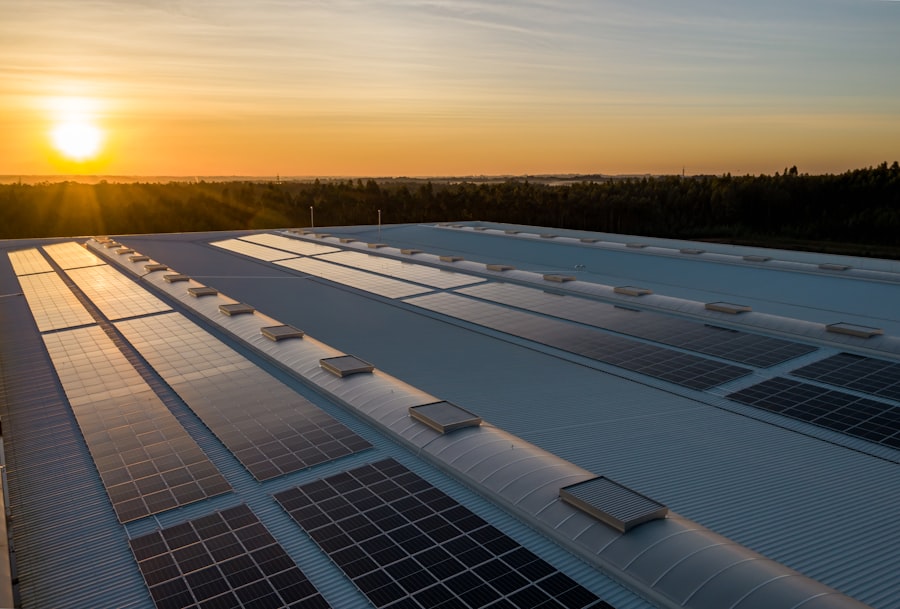
And this is where it gets interesting. The company's energy division has always played second fiddle to the automotive side. But solar and battery storage represent a massive long-term opportunity, especially as utilities struggle with grid reliability and homeowners seek energy independence. By pivoting to panels, the company can streamline its installation process and push more Powerwall batteries alongside each system. The solar roof was a beautiful distraction. Panels are the workhorse.
""
That assessment, echoed by multiple industry observers, captures the essence of the change. The solar roof required customers to buy an entirely new roof at a premium price. Panels can be added to an existing roof at a fraction of the cost and complexity. For most homeowners, that math simply makes more sense.
What Remains of the Solar Roof Program
The company has not officially discontinued the product. But the writing is on the wall. Resources are being redirected. Installation crews are being retrained. The supply chain for the specialized tiles is being wound down. The solar roof will likely remain available as a custom order for those willing to pay the premium and wait, but it will not be the centerpiece of the company's solar strategy.
- The company is focusing on standard solar panels for new installations.
- The solar roof will continue to be offered but with reduced support and longer lead times.
- Installation complexity and high costs were key factors in the decision.
- The pivot allows the company to scale its solar business more rapidly.
- Battery storage will be bundled with panel installations to increase value.
The Bigger Picture for Residential Solar
The decision reflects a broader trend in the residential solar market. High-end, integrated solar products have struggled to gain traction outside of custom home builds. Meanwhile, traditional panels have become cheaper and more efficient, with better financing options and faster installation times. The company is simply following the market, even if it means abandoning a product that once generated tremendous excitement.
So what does this actually mean for buyers? If you have been eyeing a Tesla solar roof, now is the time to carefully weigh the tradeoffs. The panels will get you the same energy savings, possibly faster, and for less money. The solar roof still offers the best aesthetic integration, but the company's commitment to that vision is clearly waning. For most, the practical choice is the one the company itself is now making: go with panels.
The solar roof is not dead. But it is on life support, and the ventilator is being slowly turned down. The future of the company's residential energy business lies in panels, batteries, and software, not in reinventing the roof.
Frequently Asked Questions
What is the main shift in Tesla's solar strategy?
Tesla is deprioritizing the Solar Roof in favor of standard solar panels, redirecting resources toward conventional panel installations.
Why was the Tesla Solar Roof difficult to scale?
Installation complexity required specialized handling and a smaller skilled labor force, leading to high costs and long wait times.
Will the Tesla Solar Roof still be available?
Yes, the Solar Roof will still be offered for customers who insist on the look, but with reduced support and longer lead times.
How does the pivot to panels affect existing Solar Roof customers?
Customers who already ordered a Solar Roof may face delays and confusion, and some may be offered the option to switch to panels with a credit or discount.
What additional product is being bundled with panel installations?
Battery storage, specifically the Powerwall, will be bundled with panel installations to increase value.

Sebastian Wolf reports on the car industry, from performance machines to the engineering that powers them. He is fascinated by how manufacturers balance tradition with the rapid move to electrification.
💬 Comments (0)
No comments yet. Be the first!