Tesla settles Autopilot fire truck crash case
Tesla settles with family of driver killed in 2023 Autopilot crash involving fire truck on California highway.
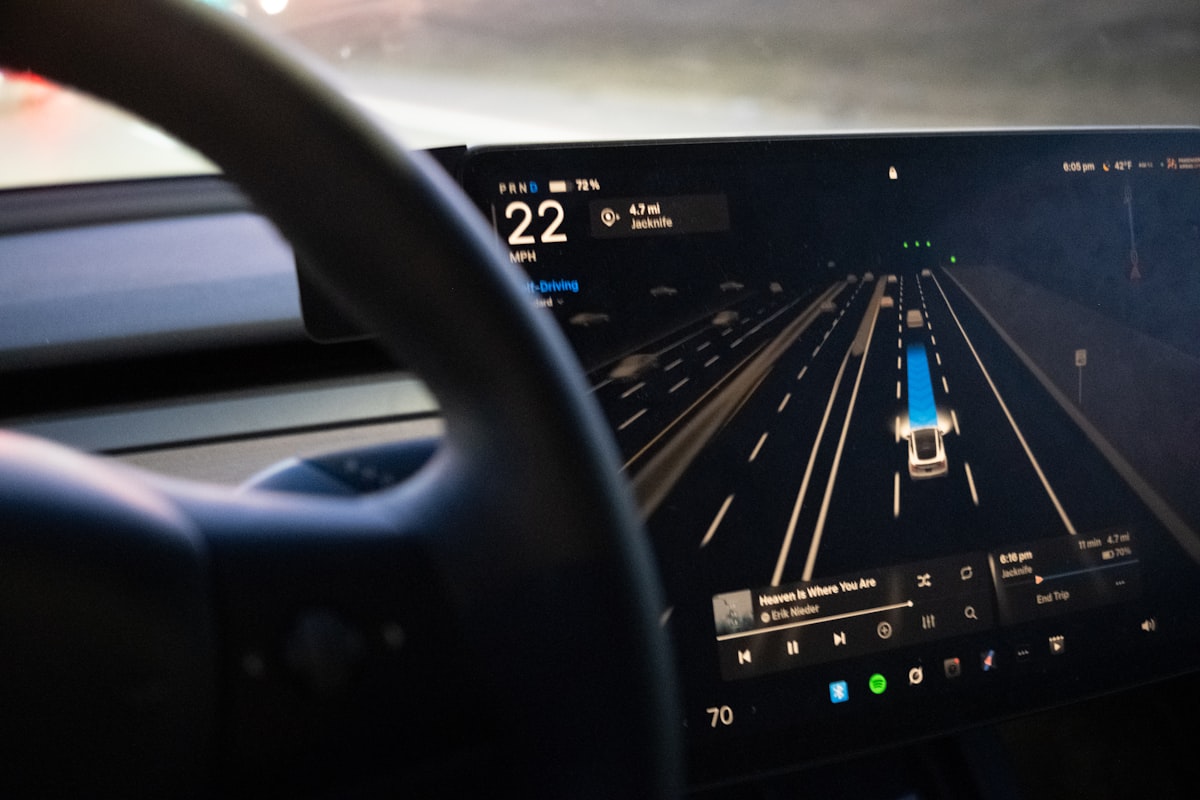
It's over. The Tesla Autopilot fire truck crash litigation has ended quietly, with the automaker settling a wrongful death case just weeks before a jury was scheduled to weigh in on who bears responsibility when driver assistance technology fails, and that's a stark reality for the family seeking answers. The deal, confirmed in court filings, resolves the lawsuit brought by the family of Genesis Giovanni Mendoza Martinez. He was 31 years old. He died in February 2023 when his 2014 Model S plowed into a fire truck parked across a California highway, and now there will be no public verdict on the technology's role. But the settlement speaks volumes.
Settlement Ends Autopilot Jury Test
The agreement landed less than two months before the Oct. 26 trial date, with terms left undisclosed. Martinez's brother, Caleb, who was in the passenger seat and suffered serious injuries, was also party to the claim. The case had been building toward a rare public examination of Tesla's driver assistance branding, and now that examination will never happen.
The crash unfolded around 4 a.m. on Feb. 18, 2023, along Interstate 680. Emergency crews were already tending to a separate accident, and a ladder truck sat diagonally across the highway to block oncoming traffic. Other emergency vehicles were present with warning lights flashing. Martinez's Model S, operating with Autopilot engaged, struck the truck anyway.
What the Data Showed
Law360 first reported the family's lawsuit and settlement. Vehicle data indicated that Martinez generally kept contact with the steering wheel throughout that stretch, a period that began roughly 12 minutes before impact and ran until the moment of the crash, according to the family's legal filings. That detail matters. But it cuts against the easy narrative of a distracted driver who completely abdicated responsibility, because it suggests he didn't let go entirely, even if his attention wavered. Twelve minutes is a long time. So the evidence complicates things, and we can't just chalk this up to a simple lapse.
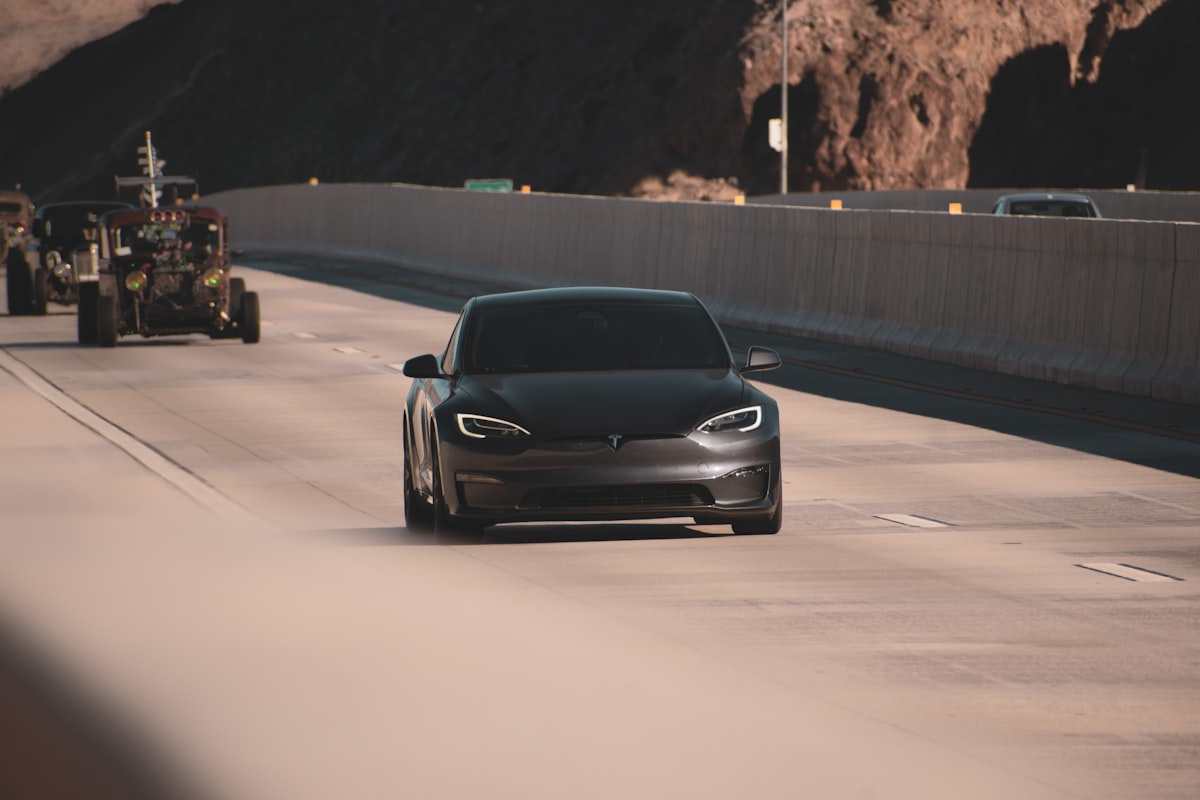
There is no credible evidence Martinez was intoxicated. That leaves the uncomfortable core of the case exposed: a massive fire truck stretched across a highway with lights flashing, and neither the man behind the wheel nor the software steering the car managed to stop in time.
Tesla has long insisted Autopilot is a Level 2 driver assistance system, not autonomous driving, and the company argues that drivers must remain attentive and ready to intervene at any moment. Courts have repeatedly sided with that framing. It's a strict standard. But a hand on the wheel doesn't absolve a driver of the duty to watch the road, so the legal consensus holds that vigilance is non-negotiable even when the tech is engaged.
Misrepresentation Claims Survived
But the Martinez family pushed back on a different front. They argued Tesla misrepresented Autopilot's actual capabilities and that the system was defective. Tesla moved to dismiss those claims, but U.S. District Judge Vince Chhabria allowed the misrepresentation arguments to proceed. He went further, finding the very name "Autopilot" itself plausibly misleading.
That ruling carried real weight. It suggested a jury might have been asked to consider not just whether Martinez failed to supervise the system, but whether Tesla's marketing created unrealistic expectations about what the technology could do. The company has always framed Autopilot as a convenience feature requiring human oversight, yet the name evokes something closer to full self-operation.
When both the machine and its supervisor ignore something as loud as a flashing fire truck, apportioning blame is exactly the question a settlement lets everyone skip.
That tension was about to be tested in open court. Now it won't be.
Who Pays When Both Fail?
The settlement sidesteps a question that has haunted the broader conversation around driver assistance technology, a question that refuses to fade even as the miles pile up. But where does responsibility actually land? If a system named Autopilot fails to recognize a massive emergency vehicle, and the human tasked with supervising that system also fails to notice, we're left staring at a gap that no manual can close. It's a haunting void.
Courts have generally placed that burden on the driver. The law treats Level 2 systems as tools, not pilots. A driver who keeps their hands on the wheel but lets their attention wander is still the one legally accountable for what happens next. Tesla has leaned on that principle in previous litigation, and it has largely worked.
But the Chhabria ruling hinted at a potential shift. By allowing misrepresentation claims to move forward and questioning the Autopilot name itself, the judge opened a door that Tesla has worked hard to keep shut. A jury might have agreed that the branding itself sets drivers up for failure.
The Case That Won't Be Heard
The Martinez family's lawsuit argued exactly that. Tesla's marketing of Autopilot oversold what the system could do, leading drivers to trust it more than they should, and that trust, they claimed, was the direct cause of the accident. But the defense was expected to counter with a simple point. Martinez had 12 minutes of engagement to recognize the system's limits, and he should've been watching the road regardless, so the blame, in their view, fell squarely on him. It doesn't add up.
Both arguments have merit, and that is precisely why the settlement makes sense for Tesla. A win in court would have reinforced the company's legal position, but a loss could have opened the floodgates to similar claims nationwide. The safer play was always to pay and move on.
The settlement brings closure for the family. But it doesn't offer answers. No jury will now decide whether Tesla's technology or its branding contributed to a death that might have been prevented, and that's a loss they'll carry alongside the grief. No public record will detail what the company knew about Autopilot's limitations in emergency scenarios, so the full story stays buried in private agreements and sealed filings. So they're left with a check and a silence. That's it.
Tesla Autopilot fire truck crash cases have now produced at least one quiet resolution, but the underlying questions remain unresolved. Drivers still share the road with emergency vehicles, and Tesla still sells a system called Autopilot that requires full human attention. The settlement ends this lawsuit, not the debate.
Frequently Asked Questions
What was the outcome of the Tesla Autopilot fire truck crash lawsuit brought by the Martinez family?
The lawsuit was settled, with Tesla agreeing to resolve the wrongful death case brought by the family of Genesis Giovanni Mendoza Martinez. The settlement was confirmed in court filings, and the terms were not disclosed.
Who was Genesis Giovanni Mendoza Martinez, and what were the circumstances of his death?
He was a 31-year-old man who died in February 2023 when his 2014 Model S plowed into a fire truck parked across a California highway. The crash occurred around 4 a.m. on Feb. 18, 2023, along Interstate 680, while Autopilot was engaged.
Why did the judge allow the misrepresentation claims against Tesla to proceed?
The judge, U.S. District Judge Vince Chhabria, allowed the misrepresentation claims to proceed because he found the very name 'Autopilot' itself plausibly misleading. This ruling opened a door for the case to examine whether Tesla's marketing created unrealistic expectations about the technology's capabilities.
How did Tesla defend its Autopilot system in previous litigation, according to the article?
Tesla defended Autopilot by insisting it is a Level 2 driver assistance system, not autonomous driving, and that drivers must remain attentive and ready to intervene at any moment. The company argued that drivers are legally accountable for what happens next, even if their hands are on the wheel but attention wanders.
What unresolved questions remain after the settlement of the Tesla Autopilot fire truck crash case?
The settlement ends the lawsuit but not the debate, leaving unresolved questions about responsibility when both the driver and the technology fail to notice a large emergency vehicle. Additionally, no public record will detail what Tesla knew about Autopilot's limitations in emergency scenarios, so the full story remains buried in private agreements.
Sebastian Wolf reports on the car industry, from performance machines to the engineering that powers them. He is fascinated by how manufacturers balance tradition with the rapid move to electrification.
💬 Comments (0)
No comments yet. Be the first!