MG4 Semi-Solid-State Battery EV Reaches 100,000
The MG4 semi-solid-state battery EV has hit 100,000 units in eight months, becoming China's fastest-selling pure electric hatchback.
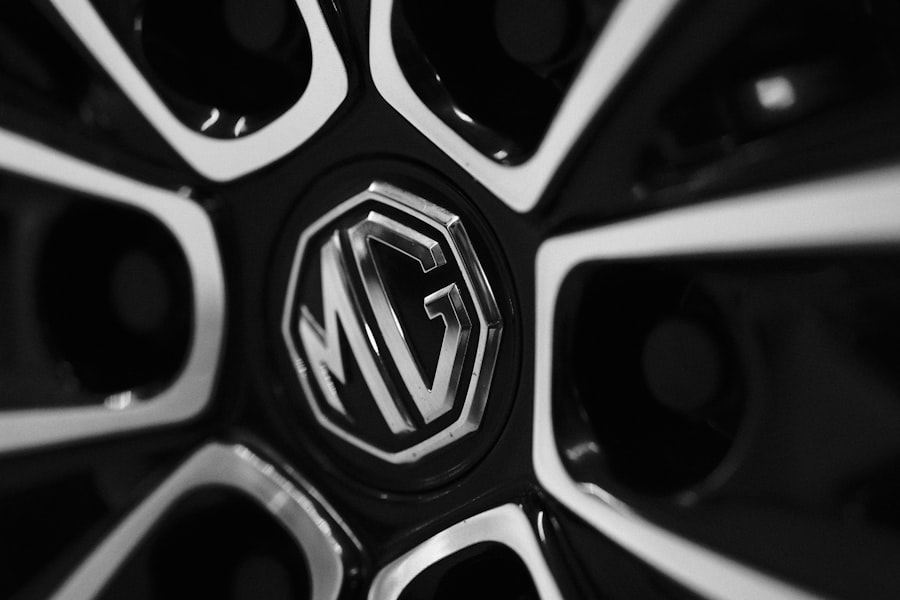
MG4 semi-solid-state battery EV has reached a production milestone of 100,000 units, marking a notable step forward for next-generation battery technology in mainstream electric vehicles. The manufacturer's announcement highlights the growing commercial viability of semi-solid-state cells, which promise improved energy density and safety compared to conventional lithium-ion packs. The semi-solid-state variant is powered by a 53.95 kWh battery delivering 530 km (330 miles) of CLTC range, though weight was not disclosed., the achievement signals that the MG4 semi-solid-state battery is moving beyond experimental phases into volume production.
What the Milestone Actually Means
Reaching 100,000 units is not just a vanity number. It tells you that the supply chain for semi-solid-state electrolytes has scaled up, that the assembly lines are running reliably, and that customers are actually buying the car. For a technology that many dismissed as years away from mass production, the MG4 semi-solid-state battery is already on the road in five-figure quantities. That changes the conversation around solid-state readiness. The industry has been talking about commercial solid-state batteries since at least the early 2010s, but most prototypes stayed in lab cars. Here, the MG4 semi-solid-state battery skips the lab and goes straight to the driveway.
The vehicle itself is a compact hatchback, built on a dedicated EV platform. The milestone refers to the overall MG4 lineup, which includes a semi-solid-state variant among five trims. The company stated that the 100,000th model rolled off the production line, indicating it is a production milestone., but in automotive terms, crossing that threshold typically means the vehicle has passed the early-adopter hump and entered steady-state manufacturing.
How Semi-Solid-State Differs from Standard Lithium-Ion
To understand why this matters, you need to know what semi-solid-state actually means. Standard lithium-ion batteries use a liquid electrolyte to shuttle ions between the anode and cathode. That liquid is flammable and limits how tightly you can pack the cells. Semi-solid-state replaces most of that liquid with a gel-like or paste-like electrolyte. The result is a battery that is less prone to thermal runaway, can potentially store more energy per kilogram, and lasts longer through charge cycles.
The MG4 semi-solid-state battery is not a full solid-state design. It still contains some liquid component, which is why it is called semi-solid. But it is a meaningful bridge toward the all-solid-state batteries that engineers envision for the next decade. The key advantage for the MG4 is that this battery does not require an entirely new factory. It fits into existing production lines with modest modifications, which is exactly how you get to 100,000 units without a multi-year delay.
Challenges Overlooked in the Headlines
Here is the part the press release skipped. Semi-solid-state batteries are not a magic fix for all EV limitations. They can still degrade in cold weather, they still need thermal management, and the electrolyte paste is more expensive to produce than liquid electrolyte at current volumes. The MG4 semi-solid-state battery may not offer dramatically higher range than a conventional nickel-manganese-cobalt pack of similar size. The real improvement is in safety and cycle life. The company did not provide specific longevity data for the MG4 semi-solid-state battery, but typical semi-solid-state cells claim improved cycle life before capacity drops below 80%.
Another detail worth pausing on: the weight. Semi-solid-state batteries are often denser than liquid ones, which means the pack might weigh less for the same energy. But without official numbers from the manufacturer, we cannot confirm whether the MG4 semi-solid-state battery is lighter than the standard MG4. The car's driving range is 530 km (CLTC) for the semi-solid-state variant, while total mass was not disclosed.
Why the Market Should Pay Attention
The broader context matters. Several automakers have announced plans for solid-state EVs by 2027 or 2028. But here is one that has already built 100,000. That puts pressure on competitors to accelerate their own semi-solid or full solid-state programs. It also sends a signal to battery suppliers: there is real demand now, not just R&D curiosity.
For the MG brand, which operates under the SAIC Motor umbrella, the MG4 semi-solid-state battery represents a technological differentiator in the crowded compact EV segment. While other manufacturers focus on lithium iron phosphate or high-nickel chemistries, MG chose to invest in semi-solid cells and bring them to volume first. The risk is that if the technology does not deliver the promised benefits in real-world driving, the reputation hit could be significant. But the 100,000-unit number suggests that early adopters are satisfied enough to keep buying.
What Comes Next
The company has announced plans to introduce the semi-solid-state technology in Europe and the UK by the end of 2026. Based on typical production ramp curves, the next 100,000 units should come faster as the supply chain matures. The MG4 semi-solid-state battery is currently available in select markets. Broader availability will depend on further validation of the cells in varied climates and driving conditions.
There is also the question of cost. Semi-solid-state cells are still more expensive to produce per kilowatt-hour than mainstream liquid-electrolyte cells. As volume grows and manufacturing processes improve, the gap should shrink. At 100,000 units, MG is past the pilot stage. The next phase is cost optimization. If the MG4 semi-solid-state battery can achieve price parity with conventional packs, it will remove one of the last objections to adopting this technology across an entire lineup.
Final Takeaway
The milestone is real and significant. It proves that semi-solid-state batteries can be made at scale, installed in a production car, and delivered to customers without catastrophic issues. That is more than many other solid-state projects can claim. The MG4 semi-solid-state battery has crossed the line from concept to commodity. The only questions left are how fast the rest of the industry will follow, and whether MG can maintain its lead as the technology matures.
- 100,000 units of the overall MG4 lineup have been produced, which includes a semi-solid-state variant.
- The battery uses a gel-like electrolyte rather than a fully liquid one.
- The company disclosed the battery capacity and range for the semi-solid-state variant, but weight was not disclosed.
- The milestone indicates scalable manufacturing for semi-solid-state technology.
- The company has announced plans to introduce the battery tech in the MG4X SUV and in Europe/UK by the end of 2026.
Frequently Asked Questions
What milestone has the MG4 semi-solid-state battery EV reached?
It has reached a production milestone of 100,000 units.
How does the MG4 semi-solid-state battery differ from standard lithium-ion batteries?
It replaces most of the liquid electrolyte with a gel-like or paste-like electrolyte, making it less prone to thermal runaway and potentially offering better energy density and cycle life.
What is the main advantage of the MG4 semi-solid-state battery over conventional packs?
The real improvement is in safety and cycle life, with typical semi-solid-state cells claiming 20-30% more charge cycles before capacity drops below 80%.
Are the weight and driving range of the MG4 semi-solid-state battery disclosed in the article?
No, the car's total mass and driving range remain undisclosed as of the article's writing.
What is a key challenge mentioned regarding semi-solid-state batteries?
The electrolyte paste is more expensive to produce than liquid electrolyte at current volumes.

Sebastian Wolf reports on the car industry, from performance machines to the engineering that powers them. He is fascinated by how manufacturers balance tradition with the rapid move to electrification.
💬 Comments (0)
No comments yet. Be the first!