How McHenry High School solar cuts energy costs
McHenry High School solar rooftop installations are set to reduce the Illinois school district's energy costs by 30 percent.
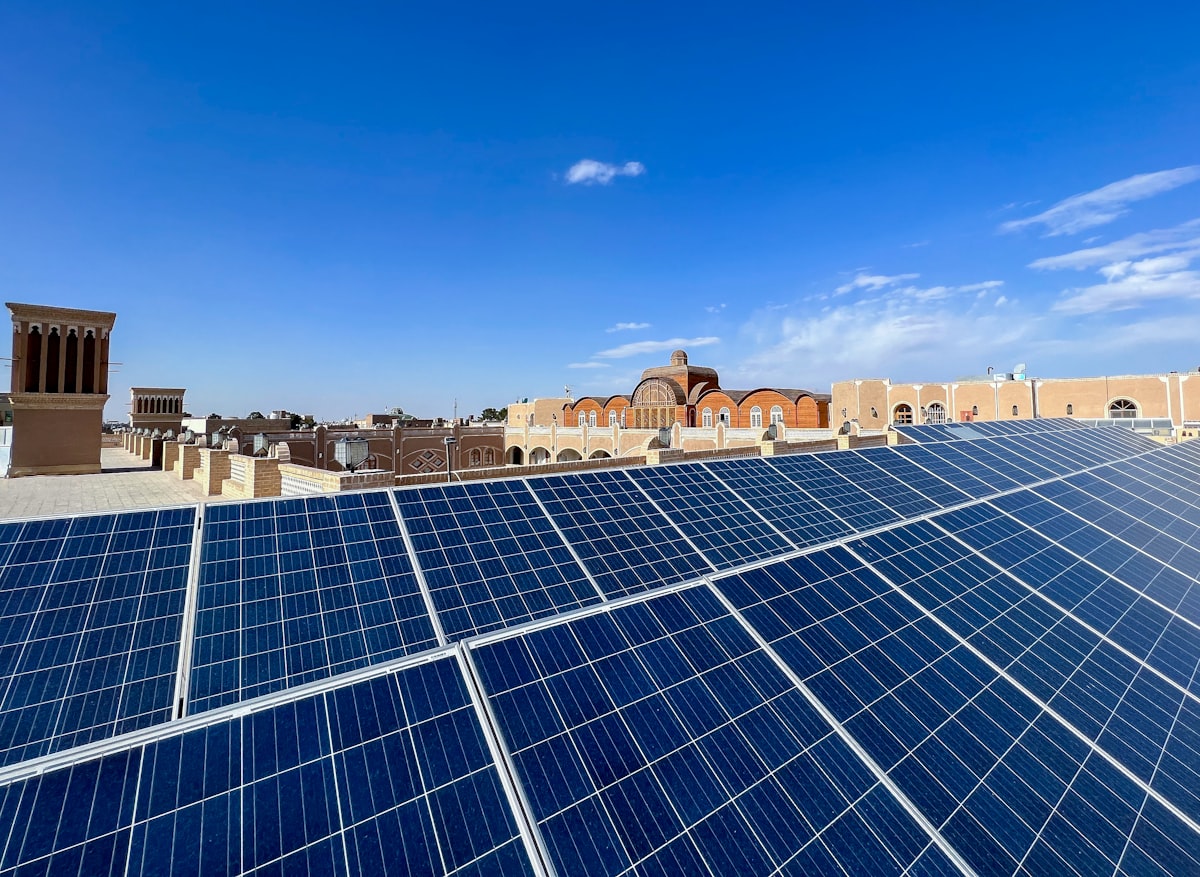
McHenry High School's solar installations are cutting energy bills across Illinois. It's a massive project, one designed to deliver direct relief to the school district budget while both campuses add rooftop panels that capture clean power and lower their utility costs through a sustained, practical effort. So the savings are real. But the panels don't just sit there,they work every sunny day, and they're already proving their worth.
So what does this actually mean for you, the local taxpayer and community member? Cut the noise. We're looking at the real numbers behind this project, and those figures tell a story that extends far beyond the school gates. When public schools lower their operating expenses, the benefits ripple outward to the people who fund them. And that's you. But don't take our word for it; just follow the math.
How McHenry High School cuts power bills
It's not a minor upgrade. This is a major infrastructure shift, one that demands cranes, scaffolding, and months of careful coordination as crews work across both campuses simultaneously. They're installing more than 2,000 solar panels. So the rooftops of both school buildings are being transformed into power stations. But don't call it a simple renovation; this project fundamentally changes how the high school buys and uses electricity, and it can't be rushed.
This massive array of panels will capture sunlight and convert it directly into electricity for the classrooms, labs, and gymnasiums. But it's the speed that stands out. Workers plan to have the entire system completed and online by December 2026, a timeline that seems almost impossibly tight given the sheer scale of the installation, yet they're confident they can't miss the deadline. So the project is moving fast.
The direct savings by the numbers
- More than 2,000 solar panels are being installed across both high school campuses.
- The project is scheduled for complete installation by December 2026.
- The school district expects to slash its energy costs by 30 percent.
Where the saved money actually goes
Every dollar a school district spends on electricity can't go to classrooms, teachers, or student programs. But cut those energy costs by nearly a third, and the school frees up valuable budget space, which then flows back into the very resources that shape a child's daily experience and long-term potential. That's real money.
Superintendent Ryan McTague highlights the community value of this investment:
"We are setting a great example to students and to taxpayers while also saving money. The return on the investment will go back into the school community."
Wondering if this matters? It does. So here's the truth: those dollars you save on monthly utility bills don't just vanish into thin air, they flow directly back into funding local education, which benefits students in tangible ways and takes real pressure off local taxpayers who've been carrying the load for far too long. But that's not the whole story. Every cent counts, and it's all connected.
Other schools are banking solar savings
McHenry High School isn't alone in this push. But across the country, schools are realizing that their rooftops, those vast, flat expanses of unused real estate, can be transformed into engines of massive savings when fitted with solar panels and other clean energy systems. So let's see how other districts are making similar moves, carefully negotiating power purchase agreements and pursuing state grants to keep their budgets firmly under control. They're acting now. It's a smart play.
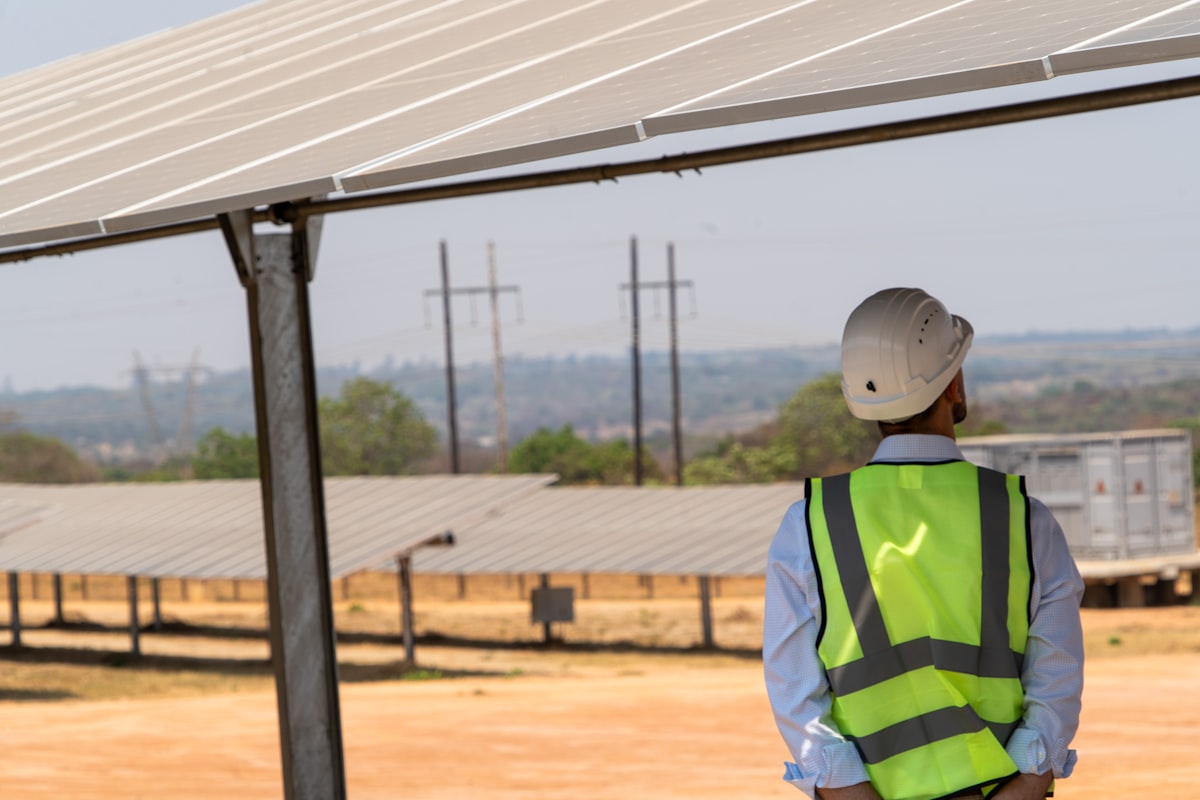
Friedman Middle School saves thousands annually
In Taunton, Massachusetts, Benjamin A. Friedman Middle School has installed its own rooftop solar system, and the payoff is already clear. It's projected to save roughly $35,000 every single year in energy costs and incentives. That's real money. Over the lifespan of the solar setup, those yearly savings will add up to more than $1 million, so the school district can redirect those funds toward classrooms, teachers, or maintenance instead of watching them vanish into the utility bill. But the real win? It's a clean, quiet investment that keeps working for decades. And that's no small change.
The financial benefit is only part of the story. The school also plans to use the rooftop solar array as a hands-on educational tool, giving students a real-world look at how renewable energy systems actually function.
Harlem Consolidated School District funds scholarships
In Machesney Park, Illinois, the Harlem Consolidated School District is taking a different approach to solar energy, and it's a shift that swaps rooftop arrays for open ground. They're leasing land to a developer for a 5.5-megawatt community solar project. So the panels won't sit on school buildings at all. Instead, the district taps into the power generated elsewhere on that leased plot, avoiding structural costs and maintenance headaches while still reaping the benefits of clean electricity. It's a smart move. But the real payoff comes from the long-term savings and the educational angle, which the district can weave into its curriculum without ever touching a single shingle.
This partnership translates into direct cash for students. Every single year for the next 25 years, the developer is funding $10,000 in student scholarships, which adds up to a quarter of a million dollars in total scholarship money. That's real money. And it's generated entirely from solar land leasing.
The big picture for school budgets
So what does this mean for the future of school funding? Consider this: more than 7 million K-12 students across the United States now attend a school powered by solar energy, a shift that quietly reshapes budgets and classroom priorities from coast to coast. That's roughly one in seven students nationwide. But the real story isn't the panels on the roof,it's the dollars they save. We've seen enough data to know it's not a fad. Yet the question remains: will those savings actually reach the kids who need them most?
For school boards grappling with tight budgets, solar power has become a common-sense investment, a decision that feels less like a gamble and more like a steady, reliable handshake with the future. It locks in predictable energy costs for decades, shielding districts from sudden utility spikes that can shred a carefully planned spending plan overnight. That stability matters. So they don't have to sweat the next rate hike. But the real payoff isn't just the savings; it's the calm assurance that a school's lights stay on and its classrooms stay warm, no matter what the market throws their way.
The final verdict on solar savings
Here is the deal. Rooftop solar is no longer just an experimental technology for niche projects. It is a practical, budget-saving tool that is helping school districts across the country keep their money where it belongs: in the classroom.
Frequently Asked Questions
What is the projected reduction in energy costs for McHenry High School due to the solar panel installation?
The school district expects to slash its energy costs by 30 percent. This significant reduction is a key financial benefit of the project.
Who is the superintendent quoted in the article, and what does he say about the community value of the solar investment?
Superintendent Ryan McTague is quoted, stating, "We are setting a great example to students and to taxpayers while also saving money. The return on the investment will go back into the school community."
What is the estimated total savings over the lifespan of the solar system at Friedman Middle School, and how are those savings used?
Friedman Middle School is projected to save roughly $35,000 every year, adding up to more than $1 million over the system's lifespan. These funds can be redirected toward classrooms, teachers, or maintenance.
How does Harlem Consolidated School District's use of solar energy differ from rooftop installations, and what direct benefit does it provide to students?
Harlem Consolidated School District leases land to a developer for a community solar project, avoiding structural costs and maintenance. Every year for 25 years, the developer funds $10,000 in student scholarships, totaling a quarter of a million dollars.
According to the article, how many K-12 students in the U.S. attend schools powered by solar energy?
More than 7 million K-12 students across the United States now attend a school powered by solar energy. This represents roughly one in seven students nationwide.

Dominic Fischer writes about cars and the future of mobility, covering everything from new launches to charging infrastructure. He follows how the way we drive is changing and what comes next on the road.
💬 Comments (0)
No comments yet. Be the first!