Demand Surges for MacGregor electric cranes
Swedish heavy lift expert MacGregor says demand for MacGregor electric cranes is booming, making up over 80% of new orders.
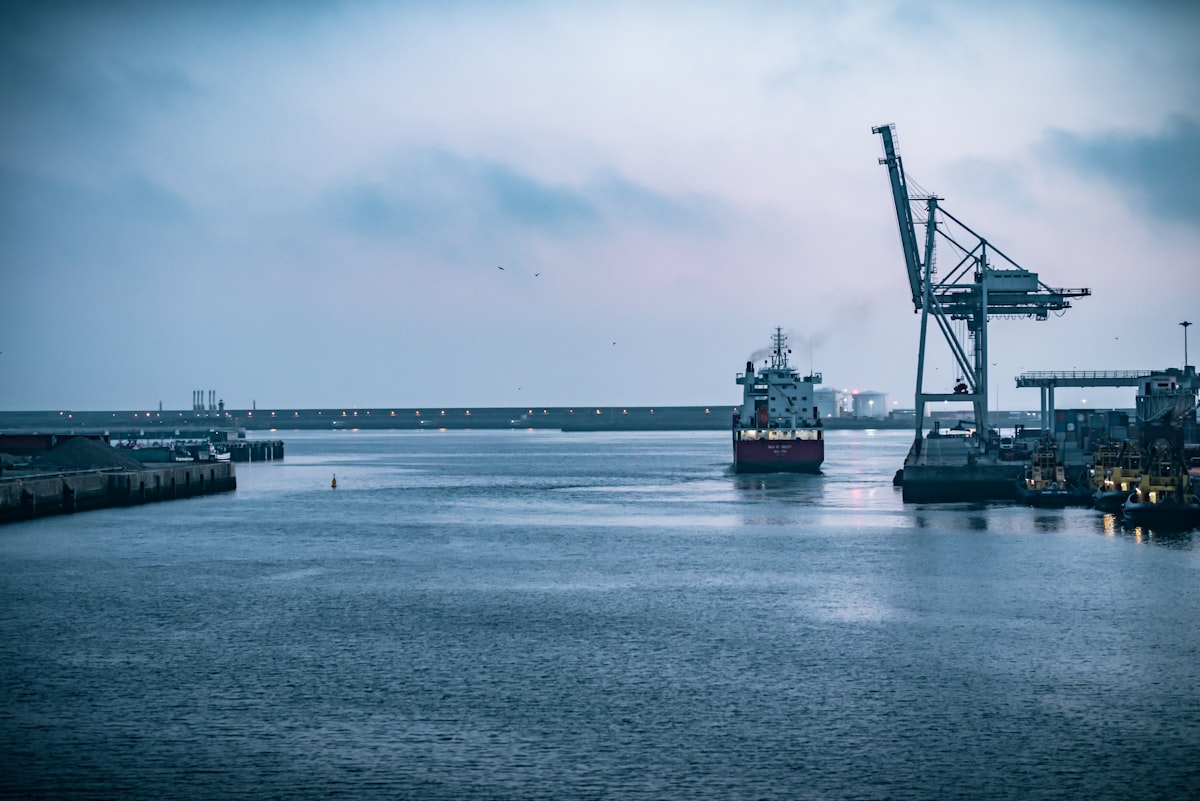
MacGregor electric cranes are seeing an unprecedented surge in global demand, according to the marine equipment manufacturer. That’s the word from heavy lift experts in Sweden, who note these fully electric systems now account for more than 80 percent of the company’s new crane orders, a figure that’s hard to ignore. But this shift marks a major transition in maritime technology. Traditional hydraulic systems are losing ground. Cleaner alternatives are winning, and they’re not slowing down.
The momentum's been building for a while now. So over the last fifteen years, more than 600 international container ships have been fitted with these electric systems, a shift that didn't happen overnight but crept in steadily as early adopters proved the tech could handle real-world routes. Now the pace is accelerating fast. Shipping companies want better efficiency and cleaner compliance, and they're pushing hard to ditch the old methods. It's a clean break.
The shift to electric drive technology
Hydraulic power has long been the workhorse of the maritime industry for heavy cargo. It's a proven system. But maintenance headaches and environmental risks are now pushing operators toward electric options, and that shift isn't just a passing trend anymore. The current momentum suggests the shipping sector is reaching a tipping point where electric power is no longer an experimental choice but the standard expectation for new vessels, and we've seen this kind of quiet revolution before in other industries. So the old ways can't hold forever.
This transition is reshaping how shipbuilders specify equipment. It's a quiet revolution. By removing complex hydraulic networks, operators can simplify ship designs and reduce the overall weight of the cargo-handling system, so the vessel becomes more efficient from the keel up. Fewer moving parts. That translates directly to lower maintenance costs over the lifespan of a ship. But the savings don't stop there, because every eliminated component means less to inspect, repair, or replace, and that's a benefit that compounds year after year.
I'm really pleased to see electric drive technology become the new industry standard, as our customers recognize the clear advantages it offers. By leveraging our long-standing expertise, we continue to deliver solutions that combine precise load control with substantial operational savings and a reduced environmental footprint for our customers." Magnus Sjoberg, Executive Vice President, Merchant Solutions Division, MacGregor
How electric servos outperform hydraulics
MacGregor electric cranes run on advanced electric servos, not traditional hydraulic fluids. That's the whole trick. This design choice tackles the most common failure points in maritime cargo handling head on, so crews don't have to wrestle with the sluggish, temperature-sensitive systems that have plagued older equipment for decades. In cold weather, hydraulic oil thickens, and that slows everything down while efficiency takes a nosedive. Electric servos bypass that issue entirely. They keep performing consistently, no matter the ambient temperature, and that's a major advantage for ports operating in harsh climates. So the real payoff isn't just avoiding breakdowns, it's maintaining steady, reliable output when conditions turn brutal.
Precision is another major advantage of the servo-driven design. This changes everything. Operators can position heavy containers with much greater accuracy, reducing the risk of damage to the cargo or the vessel itself, and that kind of control simply isn't possible with hydraulic valves. But those valves suffer from lag and pressure fluctuations, so they can't match this level of precision. And that's the real difference.
Key performance benefits
- Up to 60 percent lower energy consumption compared to traditional hydraulic drive cranes.
- Total elimination of hydraulic oil leakage risks, protecting marine environments.
- Increased placement precision through the use of electric servos.
- Reliable and consistent operation in cold-weather conditions.
Environmental protection at busy ports
Ports like the Port of Los Angeles and the Port of New York and New Jersey are pouring serious money into cleaning up and decarbonizing their operations, a shift that touches everything from truck fleets to terminal lighting.
A stepping stone toward autonomous operations
The shift to electric control systems changes everything. It's not just an upgrade; it's a fundamentally different way of thinking about how machines move and respond, and because electric servos react directly to digital commands with near-instantaneous precision, these cranes are vastly easier to automate than their clunky, hydraulic predecessors ever were. So this digital compatibility is now paving the way for the next phase of maritime shipping technology. That's the real story.
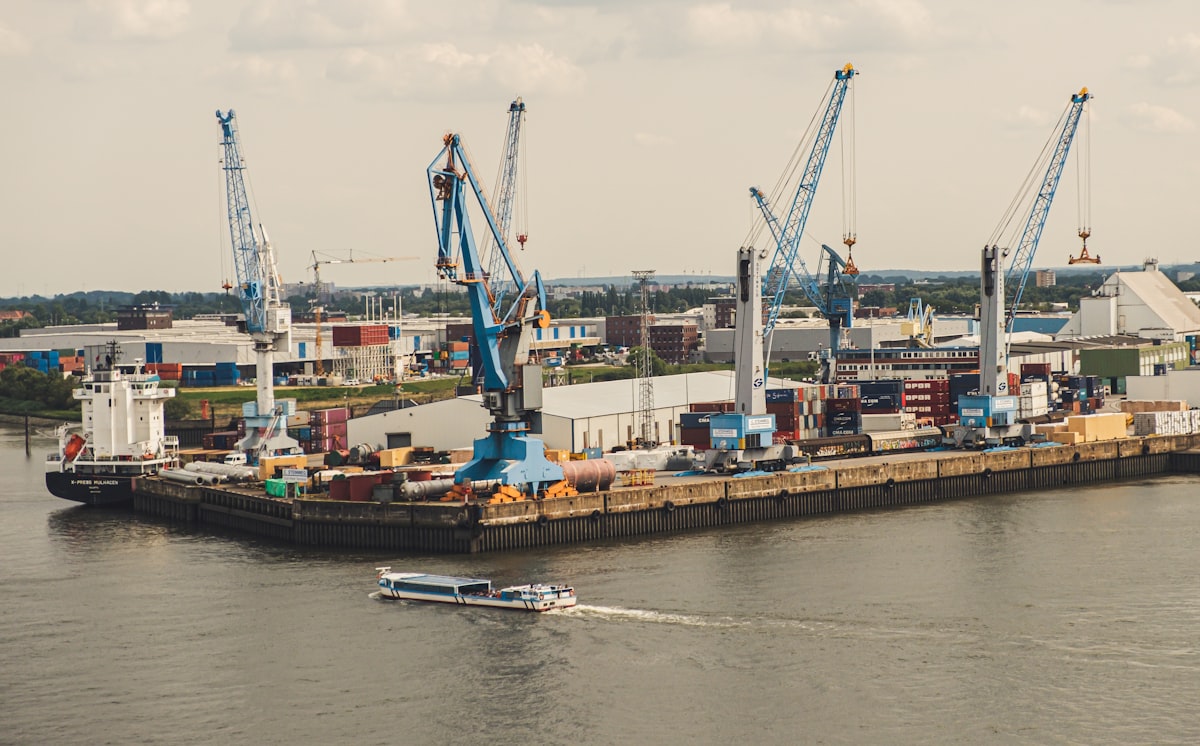
Last month, the company rolled out its latest smart maritime crane concept. The incident occurred during the first official demonstration day of the EU-funded SEAMLESS project. But the real story isn't the event itself , it's the leap from theory to steel. Developed in partnership with the University of South-Eastern Norway in Horten, the finalized design concept represents a major step in moving autonomous cargo handling from digital models into the physical world, and that transition doesn't happen overnight. So here's the punchline: the models are now real.
Validating the autonomous concept
The demonstration provided physical proof that integrated digital and physical systems can work together in real-world scenarios. It's proof we can't ignore. But the project team focused on ensuring the automated crane could safely handle cargo without human intervention, a task that demanded rigorous testing and precise engineering to guarantee reliability under unpredictable conditions. That's the real win. They proved the technology's viability for future commercial use, and that changes everything.
But there is a catch. Developing the technology is only half the battle. To actually deploy these autonomous systems on a global scale, the maritime industry must establish new international regulations and safety guidelines to govern their use.
Navigating the regulatory path forward
Jonas Gustavsson, CEO of MacGregor, made it clear during his keynote at the SEAMLESS event that the industry must now shift its focus toward collaboration, and that’s a hard truth we can’t ignore. Setting up international regulations and safety frameworks is critical to keep the momentum going across the European maritime ecosystem, because without those guardrails, shipping companies will struggle to deploy autonomous cranes legally and safely. So we’ve got to act now. But talk is cheap. The real work starts with shared standards, not scattered efforts.
The market currently offers two distinct lines of electric equipment. So let's be clear about what separates them. The HCE-series is built for massive loads, comprising high-performance heavy lift electric cranes that don't shy away from the toughest jobs. Then there's the MCE-series for container transport, and these cranes deliver the precise placement and environmental benefits that modern fleet operators are looking for as they upgrade their ships. That's the lineup.
Frequently Asked Questions
What percentage of MacGregor's new crane orders are now fully electric systems?
According to the article, fully electric systems now account for more than 80 percent of the company's new crane orders. This surge in demand highlights a major shift in maritime technology away from traditional hydraulic systems.
Why are shipping companies moving away from hydraulic power to electric cranes?
Hydraulic power has been the traditional workhorse but comes with maintenance headaches and environmental risks, which are pushing operators toward electric options. Electric cranes eliminate hydraulic oil leakage risks, reduce maintenance costs, and offer up to 60 percent lower energy consumption compared to hydraulic drive cranes.
How do electric servos in MacGregor cranes perform in cold weather compared to hydraulics?
In cold weather, hydraulic oil thickens, slowing down operations and reducing efficiency, but electric servos bypass this issue entirely. They keep performing consistently regardless of ambient temperature, which is a major advantage for ports operating in harsh climates.
What demonstration took place last month involving MacGregor's smart maritime crane?
Last month, MacGregor rolled out its latest smart maritime crane concept during the first official demonstration day of the EU-funded SEAMLESS project. The demonstration provided physical proof that integrated digital and physical systems can work together in real-world scenarios, validating the autonomous concept for future commercial use.
What are the two distinct lines of electric equipment offered by MacGregor?
The market offers the HCE-series, built for massive loads as high-performance heavy lift electric cranes, and the MCE-series for container transport. The MCE-series cranes deliver precise placement and environmental benefits that modern fleet operators are looking for as they upgrade their ships.

Sebastian Wolf reports on the car industry, from performance machines to the engineering that powers them. He is fascinated by how manufacturers balance tradition with the rapid move to electrification.
💬 Comments (0)
No comments yet. Be the first!