Lexus LF-ZC EV Cancelled Amid Toyota Review
Lexus LF-ZC all-electric sedan development cancelled, spokesperson tells Automotive News, amid Toyota EV review.
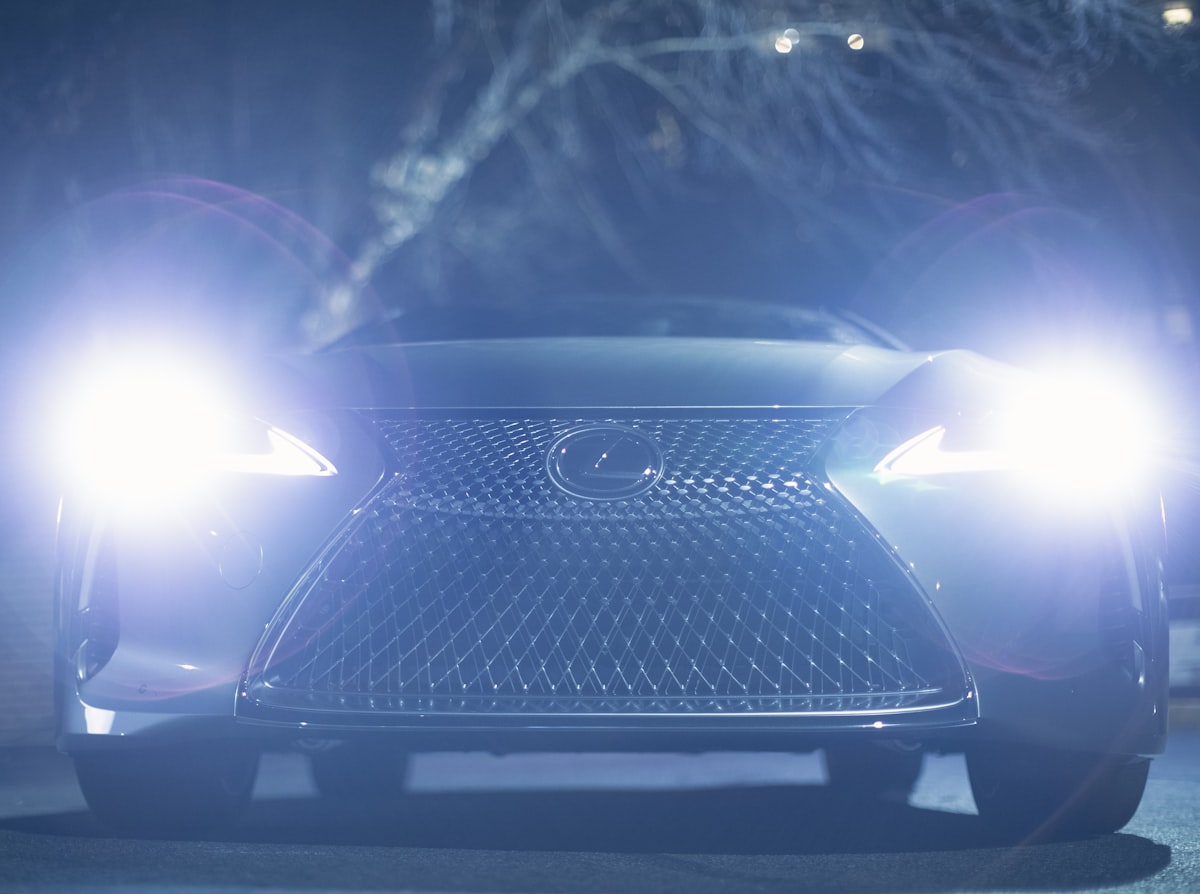
The Lexus LF-ZC concept shimmered at 2023 Japan Mobility Show and promised new design language for the brand, but it's been cancelled as Toyota conducts sweeping review of vehicle development portfolio amid faltering EV momentum. Decision reported June 1, 2026. And a spokesperson confirmed to Automotive News that the cancellation doesn't signal an exit from battery-electric development but rather a recalibration of which projects get the green light.
LF-ZC Project Shuttered
It was a concept. But after years as a concept, teased as a bold all-electric sedan that would sit alongside the brand's evolving lineup, and with EV sales entering what the industry politely calls a state of flux, it's clear the strategic logic: Toyota's internal review moved from theoretical prioritization to hard cuts, and the LF-ZC was one of those cuts.
It's over for the LF-ZC. The spokesperson framed the decision as part of a company-wide review of vehicle development projects and added, “The cancellation of this specific development project does not mean we have given up on developing next generation BEVs.” But the LF-ZC's demise signals that even a well-received concept can be made redundant when newer product plans emerge.
“We decided to cancel the LF-ZC development project as part of a company-wide review of vehicle development projects,” a spokesperson told Automotive News. “The cancellation of this specific development project does not mean we have given up on developing next generation BEVs.”
The all-new ES electric sedan likely sealed the project's obsolescence. Lexus executives have been careful never to call the new ES a flagship, repeatedly telling media it's just the ES. But that framing misses something. The ES is the largest variant of the nameplate ever, aimed at a global market and offering an executive package with a rear seat ottoman that transforms the back into a mobile workspace. It effectively fills the role the LF-ZC might have targeted, but without the risk of launching an unproven nameplate into an uncertain market.
EV Pullback Widens Across the Industry
Lexus's move isn't isolated. And the broader automotive landscape is littered with retrenched EV plans, but we can't ignore that General Motors, Ford, Stellantis, Honda, and several other automakers are all rolling back their EV ambitions between now and the end of the decade, and looking beyond the immediate numbers, the pattern reveals a deeper trend, consumer appetite is shifting not toward full electrification but toward hybrids, and the public appears to be gravitating toward them in large numbers.
This shift is forcing every major manufacturer to rethink the pace of their battery-electric rollouts. Toyota's hybrid-heavy strategy looks prescient. But it's the cancellation of the LF-ZC that allows resources to flow toward more commercially viable projects including the bZ line and a new battery-electric SUV for Lexus.
Consumer Demand Reshapes Plans
Automakers are reading the same data. Customers want lower emissions without range anxiety or charging infrastructure headaches. Hybrids deliver that compromise. So this pragmatic pivot isn't about abandoning electrification; it's about matching product cadence to real-world buying patterns. But when a flagship electric sedan like the LF-ZC faces an uphill battle, the smarter move is to redirect engineering muscle toward vehicles that dealers can actually sell in volume.
Lexus Readies New ES Electric Sedan
One sedan disappears. It's replaced by another. Lexus positions the new ES electric, due as a 2027 model and landing in dealerships next year, as a global player rather than a regional niche, and its executive package with rear-seat ottoman highlights the appeal to chauffeur-driven markets where rear passenger comfort reigns supreme.
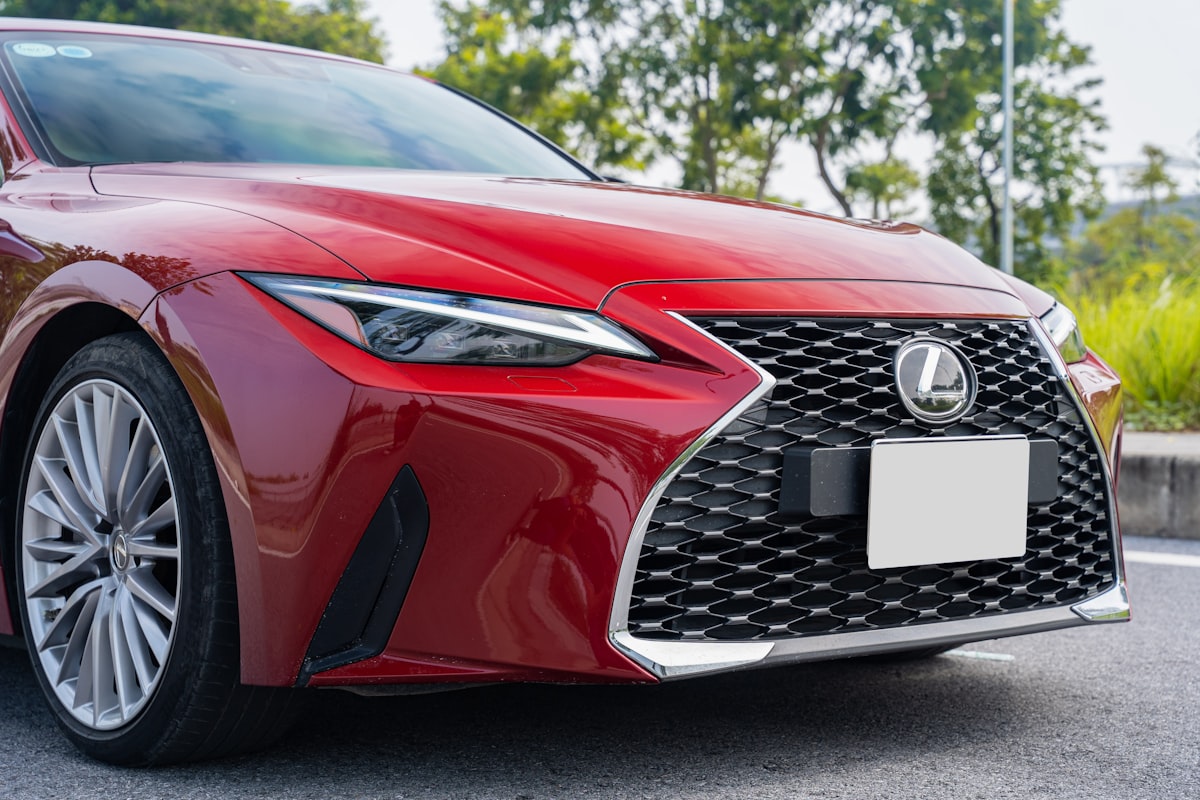
It's not a flagship replacement. LS is in its final phase. But Lexus deliberately avoids that label for the ES electric, freeing it from unrealistic sales expectations. So it can simply be a competitive large electric sedan priced below the stratospheric flagship tier and likely achieve far better volume than a traditional range-topping EV.
Toyota’s Broader EV Strategy
The LF-ZC's dead. Toyota continues developing next-generation BEVs and rolling out new bZ models and the all-new Lexus TZ, a six-passenger battery-electric version of the midsize TX SUV that debuted a few years ago. But that pragmatic approach, electrifying known successful platforms, stands in contrast to the riskier pursuit of a standalone electric flagship.
There's a broader context. It's worth exploring. When the industry's collective EV exuberance collided with real-world infrastructure gaps and price sensitivity, the product plans that relied on a linear adoption curve became vulnerable.
Ongoing Lexus EV Lineup
Lexus’s electrified future will now lean on a growing set of models rather than a single halo car. The list of battery-electric projects moving forward includes:
- The new ES electric sedan, arriving as a 2027 model with global ambitions.
- The TZ six-passenger electric SUV, a direct BEV counterpart to the midsize TX.
- Continued investment in next-generation BEV technology, separate from any single nameplate.
What Comes Next for Lexus Electrics
The LF-ZC is canceled. It clears the way for a more disciplined EV rollout. But Toyota's company-wide review isn't a one-time purge; it reflects an ongoing assessment of where capital and engineering talent can deliver the strongest return. The ES electric will carry the sedan torch, and the TZ will tackle the midsize SUV segment, and both will benefit from hybrid bread-and-butter models that keep the brand's financial engine running.
Lexus LF-ZC may be gone. But the thinking that killed it will likely save other, more practical electric models because market reality dictates otherwise when a concept fails to align with consumer behavior. For now, the LF-ZC joins a growing list of EV concepts that couldn't survive the gap between ambition and economics.
This shift reveals a deeper truth about the automotive landscape in 2026 because the electric transition isn't a straight line but bends around charging anxiety, cost sensitivity, and the hybrid resurgence. LF-ZC's quiet exit isn't abandonment. But it's a recognition that the path forward runs through showrooms, not auto show turntables.
Frequently Asked Questions
What is the Lexus LF-ZC and what happened to it?
The Lexus LF-ZC was a concept all-electric sedan that promised a new design language for the brand, shown at the 2023 Japan Mobility Show. It was cancelled as Toyota conducted a sweeping review of its vehicle development portfolio amid faltering EV momentum, with the decision reported on June 1, 2026.
Why did Toyota cancel the Lexus LF-ZC development project?
The cancellation was part of a company-wide review of vehicle development projects, as confirmed by a spokesperson. The article also notes that the all-new ES electric sedan likely sealed the LF-ZC's obsolescence, as it effectively fills the role the LF-ZC might have targeted without the risk of an unproven nameplate.
How does the cancellation of the LF-ZC fit into Toyota's broader EV strategy?
The cancellation allows resources to flow toward more commercially viable projects, including the bZ line and a new battery-electric SUV for Lexus (the TZ). Toyota continues developing next-generation BEVs but is taking a pragmatic approach, electrifying known successful platforms rather than pursuing a standalone electric flagship like the LF-ZC.
When was the cancellation of the Lexus LF-ZC reported, and what was the context?
The cancellation was reported on June 1, 2026, as Toyota conducted a sweeping review of its vehicle development portfolio. The decision came amid faltering EV momentum and a broader industry trend of automakers rolling back EV ambitions, with consumer appetite shifting toward hybrids.
Who confirmed the cancellation of the Lexus LF-ZC and what did they say about future BEV development?
A Lexus spokesperson confirmed the cancellation to Automotive News. The spokesperson stated that 'the cancellation of this specific development project does not mean we have given up on developing next generation BEVs,' emphasizing it was a recalibration of which projects get the green light.

Clara Rossi covers the motoring world, with a focus on electric vehicles, design and the shift toward cleaner transport. She tests the latest models and explains what matters to drivers beyond the spec sheet.
💬 Comments (0)
No comments yet. Be the first!