Jacksonville Residents Testify at EPA Coal Ash Public Hearing
Jacksonville residents and advocates testified at an EPA coal ash public hearing, urging stronger protections.
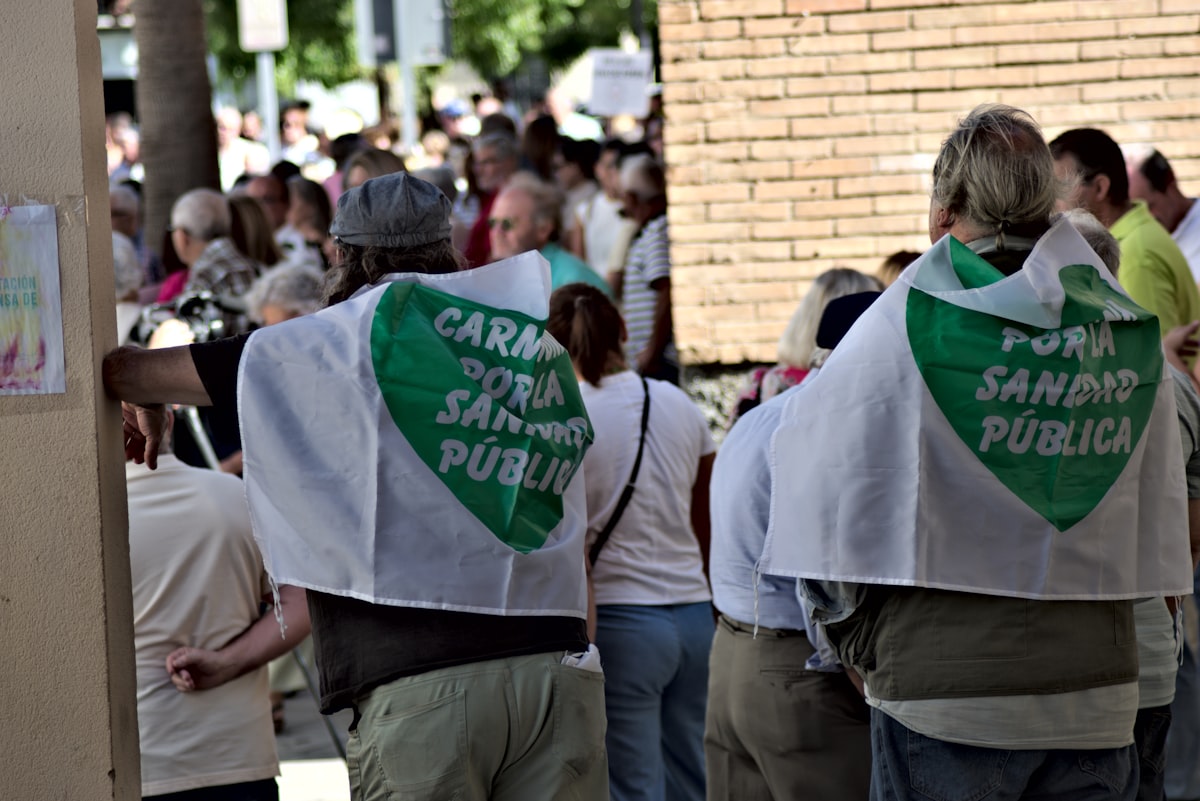
JACKSONVILLE, Florida: EPA coal ash public hearing yesterday turned into a testimonial marathon. They've spoken eight hours. Jacksonville residents, community volunteers, and environmental leaders all pushed back against a proposed rollback of coal ash protections. But the virtual session, tied to the agency's reconsideration of its Coal Combustion Residuals (CCR) rule, gave local voices a national stage to demand stronger safeguards for neighborhoods near coal ash disposal sites.
A Marathon Hearing
The hearing was not a quiet procedural affair. It ran more than eight hours, with participants sharing detailed accounts of what it feels like to live, work, and raise families in the shadow of coal ash piles tied to JEA’s Northside Generating Station and the former St. Johns River Power Park. Those speaking did not mince words about trust in regulators.
Lamp framed it physically. He's a semi truck driver who spends his days near the facilities, and his daily exposure made him wonder about the air and what might already be seeping into groundwater, so he told officials he thinks about workers, nearby neighborhoods, and the generations that will still grapple with contamination after the plants stop operating. But he said, “I worry about what people are breathing in, and what may already be getting into our groundwater and environment.”
Community volunteer Raul Kahle was equally blunt. He described himself as “dumbfounding that the EPA would decrease safety regulations rather than increase them” and urged the committee to return to the agency’s stated mission. That sense of disbelief surfaced again and again.
Communities in the Crosshairs
13,000 at Risk
They're not abstract. More than 13,000 people live within three miles of the coal ash sites in Duval County, and those numbers illustrate the scale of potential exposure in working-class neighborhoods and communities of color. And these communities often carry the heaviest burden from industrial waste.
Coal ash, the leftover material from burning coal, contains a mix of toxic heavy metals that persist long after a power plant goes quiet. The list of contaminants is sobering.
- Arsenic
- Mercury
- Lead
- Selenium
Each of these can leach into drinking water supplies.
- Cancer
- Neurological damage
- Various other serious illnesses
The St. Johns River, a defining natural feature of the region, is also in the path of this contamination threat. Residents at the hearing connected the dots between pollution that lingers in groundwater, environmental damage, and the economic pressures that follow when a community’s water and land are compromised.
Demanding Accountability
A Generation Speaks
She's a GenCLEO campus organizer. Carolina Gutfrend, a recent University of South Florida graduate, told the panel that the EPA's decision would ripple across her entire generation. And she implored the agency to fulfill their mission to protect lives and her generation by ensuring we have clean air, water, and are protected from future coal ash catastrophes here in Florida.
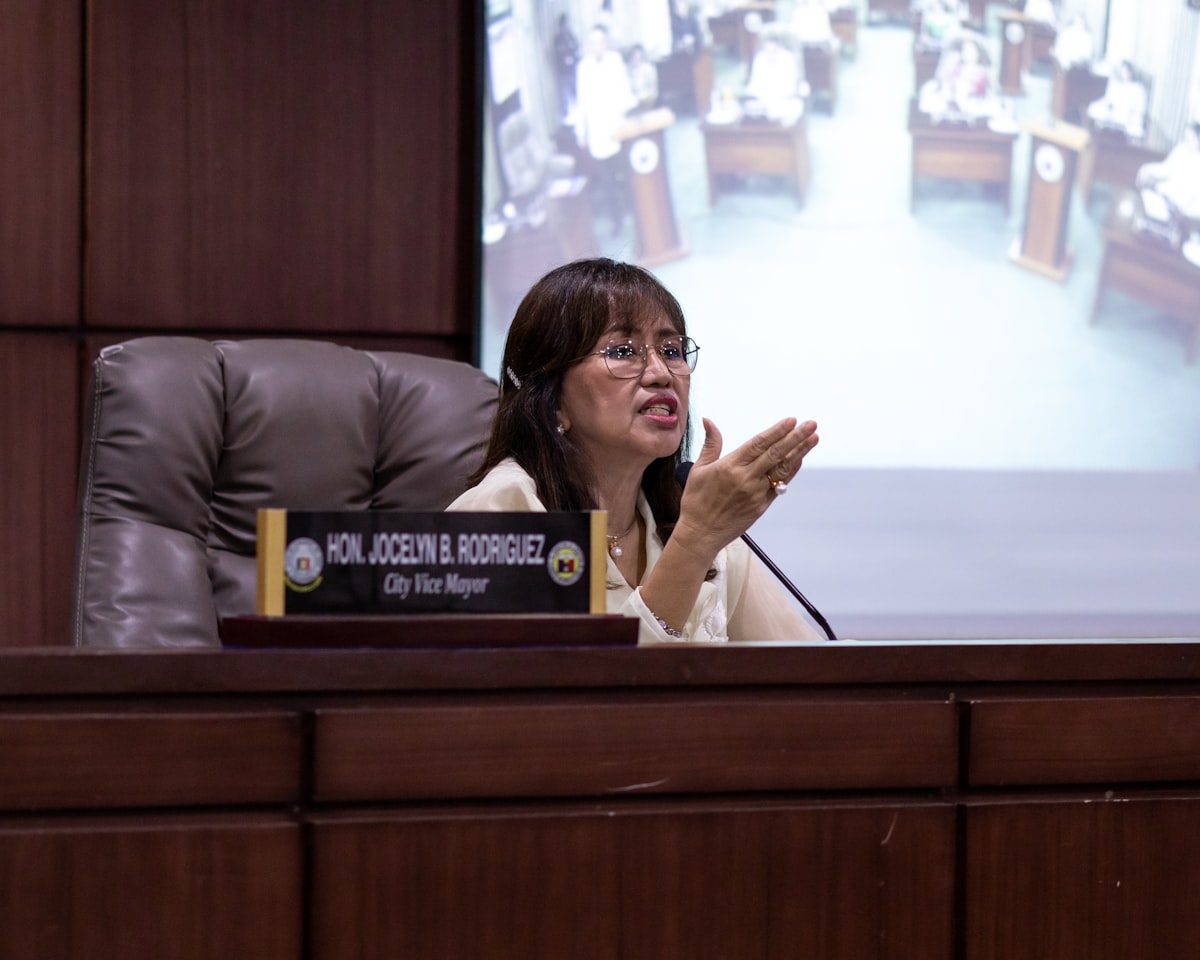
Suzanne Sapp drew a line. But she's the Sierra Club’s Beyond Coal Senior Organizer, and her testimony framed the issue of corporate responsibility as one of fairness and enforcement, so she drew a sharper line.
“The EPA should be strengthening protections for communities impacted by coal ash and not weakening them. We need stronger monitoring, stronger cleanup requirements, full transparency, and real accountability from utilities like JEA.”
Sapp's message was clear. But Jacksonville residents, she argued, shouldn't be treated as expendable while utilities avoid accountability for toxic waste. The demand for transparency and rigorous monitoring ran through all the testimony, and speakers asked the EPA to maintain the existing CCR rule and, in many cases, to make it stronger, not tear it down.
What Happens Now
This hearing isn't final. The EPA will accept public comments through June 12, giving communities short window to add their voices, and beyond immediate testimony, the Jacksonville session reveals deeper friction over how the country manages its coal-burning leftovers. And the debate is no longer just about active power generation but about legacy waste, the liability utilities retain, and the reach of federal oversight when it sits in communities with few other pollution buffers.
That tension isn't unique. It's also in Jacksonville. But it echoes in towns nationwide that host old coal plant sites, and the Sierra Club, which helped organize the hearing turnout, remains a force in this national conversation, using grassroots pressure and legal action to push for cleaner energy and tighter waste rules, and its involvement signals that local testimony in Florida is part of a larger, sustained effort to shape policy.
The comment deadline looms. The pleas from the EPA coal ash public hearing were straightforward: they said to hold polluters accountable, watch the groundwater, and don't let safeguards slip. And whether those pleas will be met remains an open question, but the record of that eight hour session now weighs on the process.
Frequently Asked Questions
What was the main purpose of the EPA coal ash public hearing in Jacksonville?
The hearing was tied to the EPA's reconsideration of its Coal Combustion Residuals (CCR) rule, and residents pushed back against a proposed rollback of coal ash protections. Speakers demanded stronger safeguards for neighborhoods near coal ash disposal sites, rather than weakening existing regulations.
Why did residents express concern about the proposed rollback?
Residents like Lamp, a semi truck driver, worried about what people are breathing in and what may already be seeping into groundwater near facilities like JEA's Northside Generating Station. Community volunteer Raul Kahle described himself as 'dumbfounding that the EPA would decrease safety regulations rather than increase them,' reflecting a sense of disbelief among speakers.
How long did the hearing last, and what format was used?
The hearing ran more than eight hours and was a virtual session, giving local voices a national stage to testify. It was not a quiet procedural affair, with participants sharing detailed accounts of living near coal ash sites.
When is the deadline for the public to submit comments to the EPA regarding the CCR rule?
The EPA will accept public comments through June 12, giving communities a short window to add their voices. This deadline comes after the eight-hour hearing in Jacksonville, and the record of that session now weighs on the process.
Who were some of the key individuals who testified, and what organizations did they represent?
Carolina Gutfrend, a recent University of South Florida graduate and GenCLEO campus organizer, testified about the decision rippling across her generation. Suzanne Sapp, the Sierra Club's Beyond Coal Senior Organizer, urged stronger protections, monitoring, and accountability from utilities like JEA.

Clara Rossi covers the motoring world, with a focus on electric vehicles, design and the shift toward cleaner transport. She tests the latest models and explains what matters to drivers beyond the spec sheet.
💬 Comments (0)
No comments yet. Be the first!