Why the Ford Taurus Was a Make-or-Break Gamble
The risky development of the Ford Taurus saved the automaker from bankruptcy with a revolutionary aerodynamic design.
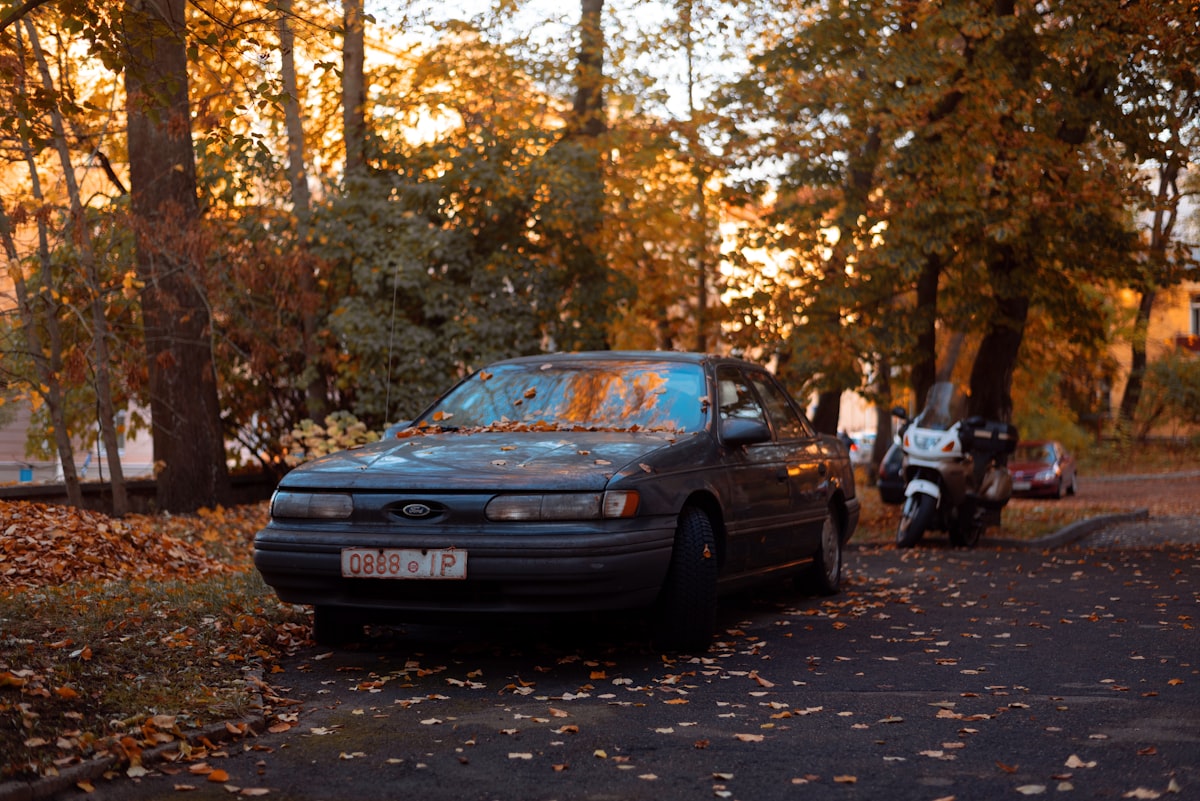
The Ford Taurus was the center of the largest and most expensive development project that Ford had ever undertaken. During a period when the company was trapped in a deep product, quality, and financial rut, the stakes could not have been higher. This was a make or break gamble for the brand. After five years of development, the vehicle was finally ready for its public debut, arriving at the eleventh hour in the middle of 1985.
The reveal was planned as a massive spectacle. Ford gathered its own executives and members of the press at MGM Studios in California, choosing the very sound stage where Gone With the Wind was filmed. The theme for the evening was outer space. Flying saucers decorated the room, food was served out of coolers shaped like saucers, and a space themed soundtrack set the mood. Amidst a crowd of stars, the aerodynamic shapes of the new sedan and its sibling, the Mercury Sable, were revealed to the world through a glowing green outline.
An industry transition
The timing of the launch was critical. Ford faced intense pressure because it was the last of the Detroit Three automakers to introduce a front-wheel-drive family car. Other major domestic manufacturers had already made their moves. General Motors had downsized and converted its entire portfolio to front-wheel drive across 1985 and 1986. Chrysler had been selling front-wheel-drive passenger cars since 1981, using its various K-car derivatives.
This delay placed Ford in a highly vulnerable strategic position. Had the new sedan failed to find an audience, the financial consequences would have been catastrophic. The project was so costly that a market failure would have forced the company into bankruptcy. To mitigate this risk, product planners kept the older, boxy LTD model in production for an additional year as a safety net. If the public rejected the modern design, the traditional LTD would still be there to capture conservative buyers in 1986.
Skepticism from competitors
Reactions to the design were highly polarized from the very beginning. Even within the executive offices at Ford, several leaders doubted the vehicle, fearing its unconventional shape would lead to a commercial disaster. Competitors were even more critical of the design choices.
Chrysler executives, led by Lee Iacocca, felt the new models were too advanced and foreign for domestic car buyers.
Chrysler was preparing to launch its own new midsizers, the Dodge Dynasty and the Chrysler New Yorker, which relied on the traditional, boxy shapes of the K-car family. Chrysler leadership preferred traditional styling details and believed that consumers would reject the sleek exterior and highly modern interior of the new Ford.
A distinct design approach
The exterior design of the new vehicle focused heavily on aerodynamic efficiency, achieving a drag coefficient of 0.32. This approach followed a design trend that had emerged in the early 1980s with European models like the Audi 100 and Audi 5000, which featured clean lines and flush glass to manage airflow.
Visual features of the sedan
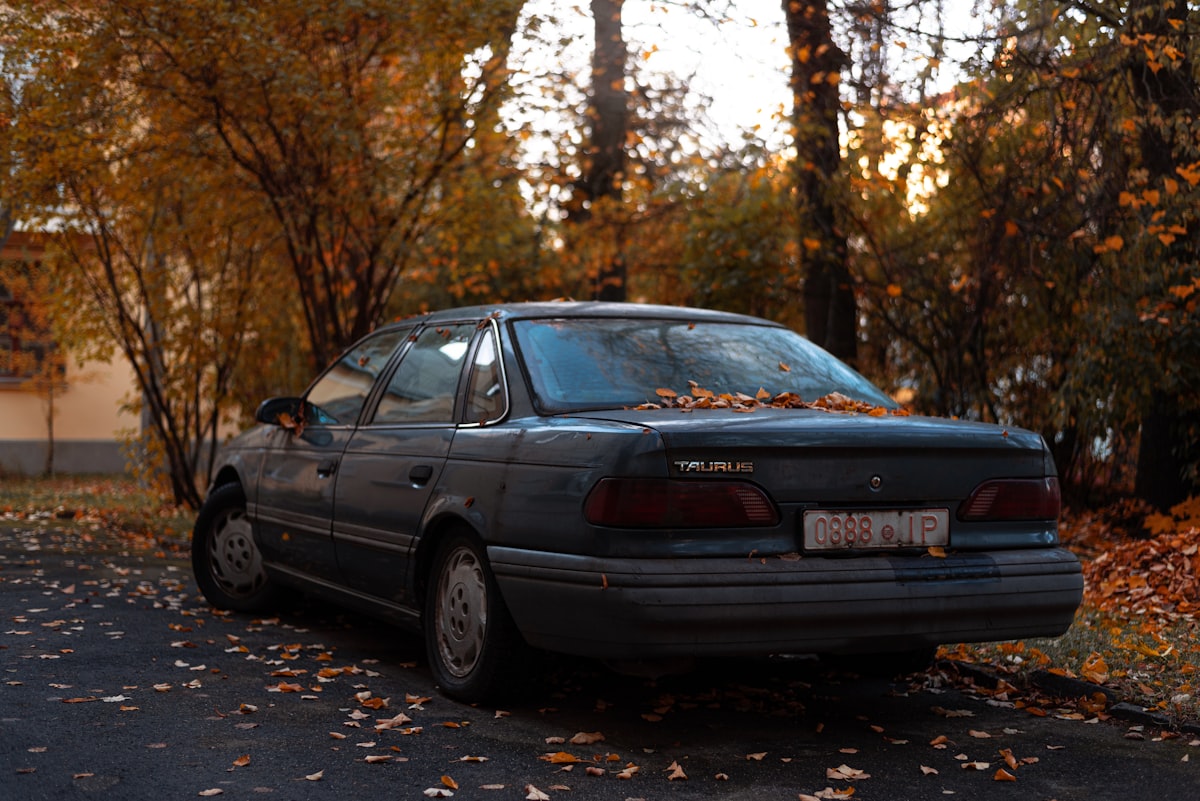
The styling of the vehicle was characterized by several distinctive design elements:
- Large composite headlamps that served as the defining front feature
- A blocked-off front grille panel with a small inlet surrounding the blue oval badge
- An air intake located entirely below the front bumper, split into two distinct sections
- A hood featuring a modest power bulge that flowed smoothly into the front fenders
- A single character line starting at the indicator lens and wrapping uninterrupted around the entire body
- A highly rounded roofline with thin D-pillars and a steep rear window
Critical reception and market impact
The media reaction changed the narrative. Once journalists got behind the wheel, the skepticism began to fade. Early pre-production cars were handed over to major automotive publications for real-world testing, and the initial reviews were highly enthusiastic. Popular Mechanics tested pre-production units and declared that the vehicle represented an entirely new type of car. Prototype testing by Motor Trend yielded similar praise, with reviewers calling the vehicle the shape of tomorrow.
The industry quickly recognized the significance of the design. During its launch year, the Ford Taurus secured major industry accolades, including the 1986 Car of the Year award from Motor Trend and a spot on the Car and Driver 10 Best List for 1986. The bold styling proved to be highly influential, setting a design standard for aerodynamic sedans that would define the industry through the rest of the century.
Frequently Asked Questions
What made the Ford Taurus project a make-or-break gamble for Ford?
The Ford Taurus was the center of the largest and most expensive development project Ford had ever undertaken, during a period when the company was in a deep product, quality, and financial rut. The stakes were high because a market failure would have forced the company into bankruptcy.
When and where was the Ford Taurus publicly debuted, and what was the theme of the event?
The Ford Taurus was publicly debuted in the middle of 1985 at MGM Studios in California. The event's theme was outer space, with flying saucers decorating the room, food served from saucer-shaped coolers, and a space-themed soundtrack.
Why did Ford face intense pressure regarding the timing of the Taurus launch?
Ford faced intense pressure because it was the last of the Detroit Three automakers to introduce a front-wheel-drive family car. Other manufacturers like General Motors and Chrysler had already converted to front-wheel drive, placing Ford in a highly vulnerable strategic position.
How did Ford mitigate the risk of the Taurus failing in the market?
Ford product planners kept the older, boxy LTD model in production for an additional year as a safety net. This ensured that if the public rejected the modern design, the traditional LTD would still be there to capture conservative buyers in 1986.
What were the reactions of Chrysler executives and the media to the Ford Taurus design?
Chrysler executives, led by Lee Iacocca, felt the new models were too advanced and foreign for domestic car buyers, preferring traditional styling. In contrast, the media's initial reviews were highly enthusiastic, with Popular Mechanics declaring it represented a new type of car and Motor Trend calling it the shape of tomorrow.

Clara Rossi covers the motoring world, with a focus on electric vehicles, design and the shift toward cleaner transport. She tests the latest models and explains what matters to drivers beyond the spec sheet.
💬 Comments (0)
No comments yet. Be the first!