Fortescue Nabrawind Deploys First Crane-less Wind Turbine in Africa
Fortescue's Nabrawind installed the first crane-less wind turbine in Africa at a Namibian wind farm, using its Total SES system.
The first crane-less wind turbine in Africa is now standing tall in one of the windiest patches of Namibia, and it went up without the one piece of equipment everyone said was non-negotiable. A massive lift crane. Fortescue's subsidiary Nabrawind pulled this off at the InnoVent Diaz wind farm, proving that remote energy projects can skip the logistical nightmare of hauling heavy lift equipment into harsh terrain.
A Job Nobody Thought Was Possible
Let us cut through the noise. Installing a full-scale wind turbine in a remote desert is hard enough. Doing it without a crane sounds borderline reckless. Yet that is exactly what happened. Nabrawind deployed its first Goldwind GW165/6000 power-generating turbine using the Total Self Erecting System (SES) and Skylift technology. But here is the catch. There was a crane on site. A "just in case" crane sat off to the side, visible in photos of the installation. It was not needed. Nabrawind brought it as insurance, but the Total SES did the heavy lifting. The system raised the turbine without relying on the backup plan sitting in the background. That detail matters. It tells you the company was confident enough to try, but humble enough to have a safety net.Why Cranes Are the Weak Link
Quick question: what kills wind farm timelines in remote locations? It is not the turbines. It is getting the crane there. Conventional cranes capable of lifting turbine blades and tower sections are enormous. They require wide roads, stable ground, and calm weather. None of those things are guaranteed in places like the Namibian desert. Nabrawind's Total SES changes the math entirely. Here is the real takeaway. This system works with many types of existing wind turbines. It is not a one-off custom solution locked to a single manufacturer. The technology evolved from Nabralift's earlier system and can now hoist any type of tower once the rotor is installed at a height of 30 to 40 meters. That is a massive drop from the previous requirement of 90 to 100 meters. Lower lift height means less risk and fewer weather delays.Wind Speeds That Ground Other Crews
Real talk. Most crane crews pack up and go home when the wind hits 6 to 8 meters per second. Blade installation in those conditions is simply too dangerous. Nabrawind's system laughs at those limits. The Total SES performed reliably in unstable winds at 15 meters per second, with bursts up to 20 meters per second. That is more than double what conventional cranes can handle. In a place like the InnoVent Diaz wind farm, one of the most wind-rich areas on the planet, waiting for calm days is not a strategy. It is a delay. The technology hoists thin-walled tubular tower sections without compromising structural integrity. That is a technical way of saying the system grips and lifts delicately enough to avoid damaging the very towers it is assembling. No crane. No crushed steel. No week-long weather delays.What the Source Told Us
Electrek first reported the deployment, breaking down what Nabrawind achieved on the ground in Namibia. The company's own statement was direct about what this changes for job sites globally.The company says its branded solutions technologies eliminate the need for large-tonnage cranes on many job sites, overcoming the major logistical challenges of getting those cranes in position in the sort of remote and extremely windy locations that are ideal for the turbines themselves.Let me put it bluntly. If you are an energy developer looking at a wind-swept patch of land in a remote location, this changes your cost calculation overnight.
One Week Per Turbine: The Target
Seven turbines. That is the final count planned for the InnoVent Diaz wind farm. All seven will be Goldwind GW165/6000 models deployed with the same Total SES and Skylift process. The goal is aggressive. Nabrawind wants to slash the net cycle time to one week per turbine by the time crews reach the seventh one. The first installation validated the system across a full range of wind speeds. Now the team will chase repeatability. Each turbine becomes a data point. Each lift refines the process. If you are wondering whether this matters, it does, and here is why. Faster installs at lower cost with less equipment means wind farms in remote areas start producing power and revenue sooner.What This Means for You
You are probably not buying a wind turbine. But you are paying for electricity. And you are watching energy companies struggle to build renewables in places where the wind is strongest but the infrastructure is weakest. Here is the deal. The first crane-less wind turbine in Africa is not just a neat engineering trick. It is a signal that the cost equation for remote wind power is shifting. When you remove the crane, you remove:- The need to build access roads wide enough for heavy haulers
- The weather delays that stretch project timelines by weeks
- The specialized crews who operate the small number of available large-tonnage cranes
- The flat, reinforced staging areas cranes demand before they even arrive
The Road Ahead
Fortescue acquired Nabrawind as part of a push toward net zero emission operations and true energy independence at its industrial sites. The Namibia deployment shows the subsidiary is delivering on that promise. Does this mean every turbine from now on goes up without a crane? No. The technology is not a universal replacement yet. But it does not need to be. It just needs to work in the places where cranes are impractical. Those places happen to be where the best wind resources live. The first crane-less wind turbine in Africa cracked open a door that has been stuck shut for years. Remote wind farms just got a whole lot more realistic. And that is good news whether you are an energy developer, a climate watcher, or just someone who likes seeing smart engineering solve hard problems.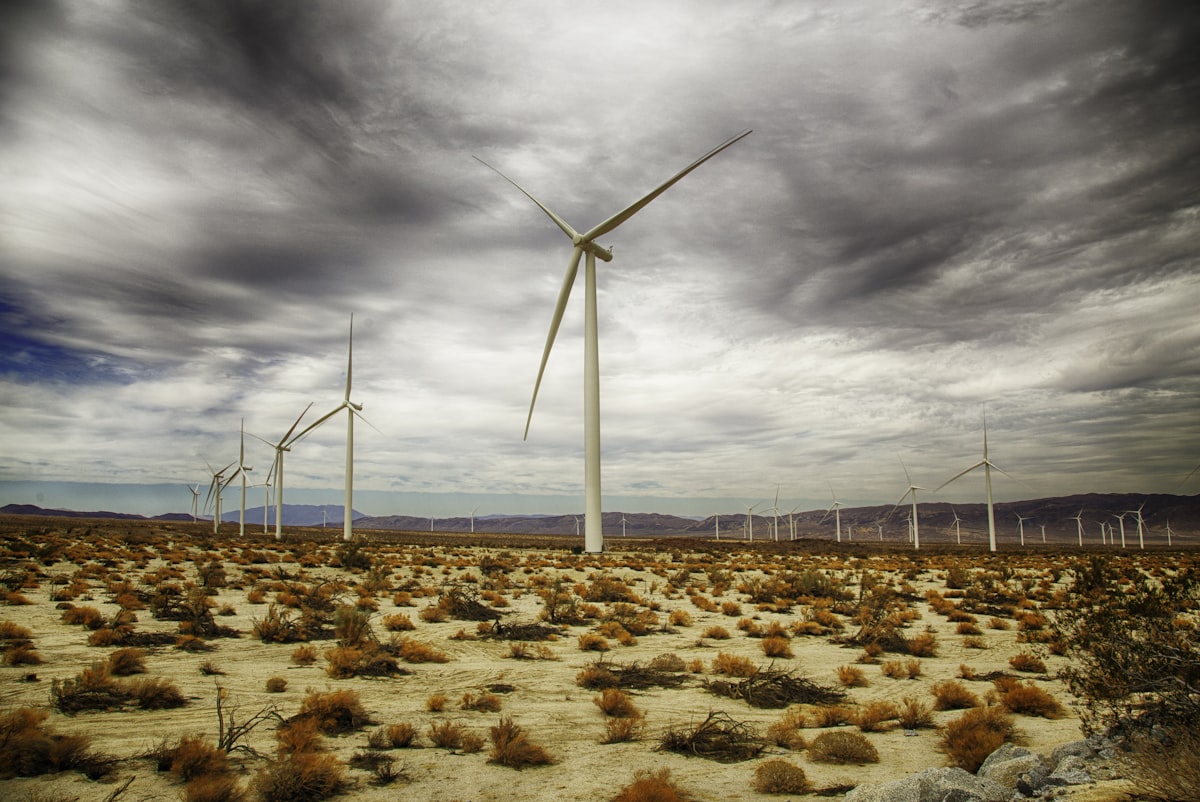
Frequently Asked Questions
What is the first crane-less wind turbine in Africa and where was it installed?
The first crane-less wind turbine in Africa is a Goldwind GW165/6000 turbine installed by Fortescue's subsidiary Nabrawind at the InnoVent Diaz wind farm in Namibia. It was erected without using a heavy lift crane, using the Total Self Erecting System instead.
How did Nabrawind manage to install the turbine without a crane?
Nabrawind deployed its Total Self Erecting System (SES) and Skylift technology to raise the turbine. Although a 'just in case' crane was present on site as insurance, it was not needed, as the Total SES performed all the heavy lifting.
Why is removing cranes considered a breakthrough for remote wind farm projects?
Conventional cranes are enormous and require wide roads, stable ground, and calm weather, all of which are hard to guarantee in remote locations like the Namibian desert. Eliminating the crane removes the need for access roads, reduces weather delays, and avoids the specialized crews needed for large-tonnage cranes.
Who is behind the deployment and what turbine model was used?
The deployment was carried out by Fortescue's subsidiary Nabrawind, using a Goldwind GW165/6000 power-generating turbine. The technology is not limited to this model; it works with many types of existing wind turbines.
What performance advantages does the Total SES system offer over conventional crane operations?
The Total SES system can operate reliably in unstable winds up to 15 meters per second, with gusts up to 20 meters per second, whereas most crane crews stop at 6-8 meters per second. It also requires a lower lift height of 30-40 meters instead of 90-100 meters, reducing risk and weather delays.
Dominic Fischer writes about cars and the future of mobility, covering everything from new launches to charging infrastructure. He follows how the way we drive is changing and what comes next on the road.
💬 Comments (0)
No comments yet. Be the first!