F1 Power Unit Reliability Can't Be Taken for Granted in 2026
After years of hyper-reliable hybrids, F1 power unit reliability has become a factor again in 2026, with new regulations leading to as many retirements as the sport once knew.
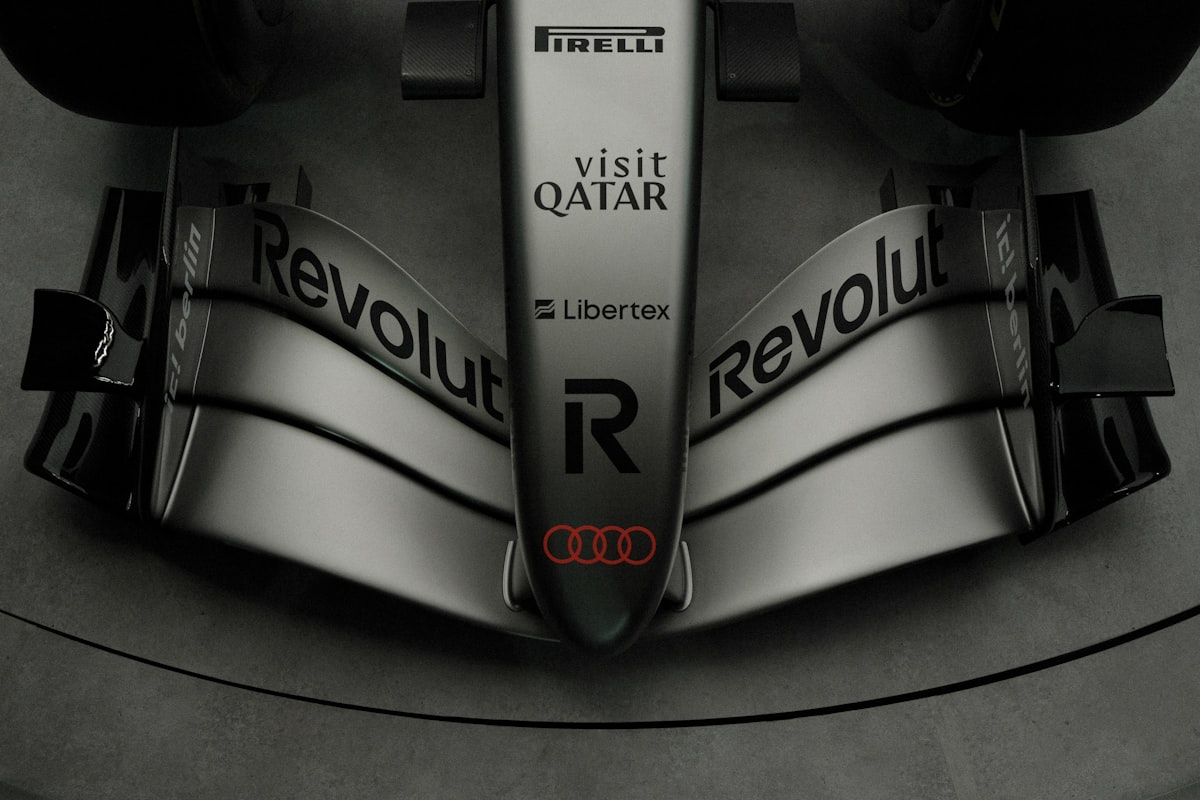
F1 Power Unit Reliability Cannot Be Taken for Granted
F1 power unit reliability's back. The Canadian Grand Prix delivered that lesson with brutal clarity when George Russell, controlling the race on lap 30 with a slim lead over his Mercedes teammate Kimi Antonelli, saw his battery fail catastrophically. So the 19-year-old Italian sophomore scooped up his fourth straight win, and a 43-point championship lead now separates the two drivers. Russell's reaction required no interpreter. He hurled his neck surround onto the track in pure disgust.
"To finish first, first you have to finish."
, Murray Walker
The late British commentator's words land with renewed weight this season because the machinery's fragile again and no lead's safe until the checkered flag waves. It's fragile again.
The Reliable Era Was the Outlier
It's jarring now. But the real historical anomaly was the stretch that preceded it, because the hybrids that raced between 2017 and 2025 were the most reliable machines in Formula 1 history by a wide margin. Rewind to the 2000s: a driver lined up on the grid knowing there was at least a 40 percent chance the car would not see the finish. The paddock used to joke that F1 engines ran on magic smoke, since the moment you let the smoke out, everything stopped working.
Teams rebuilt cars nightly. That practice almost surely contributed to race-day retirements when something failed to go back together exactly right, meaning a tiny mistake could end a Grand Prix. Today it's different. Today the cars sit untouched overnight, the mechanics go home to rest, and the rulebook drove the change, engines and their components must now survive multiple race weekends rather than being swapped out between sessions. It's an era of extraordinary durability. But F1 power unit reliability of that caliber was never the historical norm.
When Reliability Decides Championships
That race still haunts. Damon Hill, the defending champion, had been unceremoniously dismissed from Williams after Frank Williams bet on Heinz-Harald Frentzen to beat Michael Schumacher, and history proved it's a catastrophically wrong decision. Adrian Newey left the team. So Hill, discarded too late to find a competitive seat, landed with the underfunded Arrows squad. But that weekend in Hungary, a tire war between Goodyear and Bridgestone worked in his favor. Arrows ran the Bridgestone rubber, which proved decisively quicker on the hot track. Hill qualified third and eventually seized the lead after the Goodyears on Schumacher's car blistered. With three laps remaining, he led by more than half a minute. Then a hydraulic leak bled his car of pace. Jacques Villeneuve closed the gap. He stole what would've been a desperately needed victory for the winless Arrows team.
The list of similar heartbreaks runs deep:
- Felipe Massa dominated the 2008 Hungarian Grand Prix, cementing his status as Ferrari's title contender, only for a conrod failure to destroy his engine three laps from the flag.
- Mika Hakkinen lost the 2001 Spanish Grand Prix on the final lap when his hydraulics failed, handing victory to his arch rival Schumacher.
- Russell's battery failure in Canada now joins this grim catalog.
F1 power unit reliability, or its absence, has always been a silent architect of championships.
What Changed Under the Skin for 2026
They're failing this year. But these power units are genuinely new designs, engineered for conventional turbochargers and abandoning the electronic MGU-H systems that defined the hybrid era, even though the 1.6-liter V6 capacity sounds identical to the previous generation. The fuel flow restriction has shifted from 100 kg per hour to 3,000 MJ per hour. The MGU-K and lithium-ion battery pack are entirely fresh designs, delivering more power and more energy than last year's cars, and the 2014 introduction of hybrids also arrived with plenty of power unit problems, so the current crop is following the same pattern of early-life fragility.

A Regulatory Deadlock With No Clear Exit
The sport has a deeper problem beyond reliability. An F1 car's battery holds only enough energy to power the MGU-K for a fraction of a lap. Regenerative braking alone cannot bridge the gap. The cars must divert power from the V6 to charge the battery, which means the fastest way around a lap is no longer to drive flat out from start to finish. The regulations have painted the sport into a corner.
Mercedes backed the idea. A few weeks ago, a potential fix surfaced to rebalance the V6-MGU-K power split from 53:47 to 60:40, and Red Bull backed it too because they're eager to keep Max Verstappen engaged. But forcing a rule change for next year requires agreement from at least four engine manufacturers.
The opposition bloc is clear:
- Audi
- Cadillac
- Honda
- Ferrari
Ferrari's strategy is ADUO. It's a mechanism that allows engines more than two percent off the pace to make performance upgrades and close the gap, and Ferrari calculates that it'll let them catch Mercedes. But if every manufacturer gets to tweak their power units to extract more from the V6, the gap to Mercedes doesn't change. So Ferrari sees the status quo as serving its interests, even if that means shorter races next season or a grid without Verstappen. Veteran paddock journalist Jon Noble identifies Audi and Honda as the key players needed to break the impasse.
Monaco Offers a Different Test
Monaco swapped places with Canada. So the calendar shifts there now to cluster the North American rounds closer together. The Principality's layout, dense with braking zones and scarce on long straights, should flatter the new cars because they're smaller and more nimble than the machines that raced those streets for the last decade. F1 power unit reliability faces a different kind of examination there. The demands on the battery and MGU-K through Monaco's relentless slow corners will reveal if Canada's failures were isolated incidents or signs of a systemic weakness that could reshape the championship fight.
Frequently Asked Questions
What caused George Russell's retirement at the Canadian Grand Prix?
George Russell retired from the Canadian Grand Prix on lap 30 due to a catastrophic battery failure while he was leading the race. The failure handed victory to his Mercedes teammate Kimi Antonelli, and Russell reacted by hurling his neck surround onto the track in disgust.
How did F1 power unit reliability differ in the 2017-2025 era compared to the 2000s?
Between 2017 and 2025, F1 power units were the most reliable in history, with cars sitting untouched overnight and components surviving multiple race weekends. In contrast, during the 2000s, there was at least a 40 percent chance a car would not finish, and teams often rebuilt cars nightly, leading to race-day retirements from assembly mistakes.
What key changes were made to the power units for the 2026 season?
For 2026, the power units are entirely new designs that abandon the electronic MGU-H systems and use conventional turbochargers, though the 1.6-liter V6 capacity remains. The fuel flow restriction changed to 3,000 MJ per hour, and the MGU-K and lithium-ion battery pack are fresh designs delivering more power and energy, leading to early-life fragility similar to the 2014 hybrid introduction.
Why is there a regulatory deadlock regarding the V6-MGU-K power split, and which manufacturer is blocking a change?
The regulatory deadlock exists because the current battery energy only powers the MGU-K for a fraction of a lap, requiring drivers to divert V6 power to charge it. A proposed fix to rebalance the split from 53:47 to 60:40 needs approval from at least four engine manufacturers, but Ferrari is blocking the change because its ADUO mechanism allows it to catch up if engines are more than two percent off the pace, and the status quo serves its interests.
Why will the Monaco Grand Prix provide a different test for F1 power unit reliability?
The Monaco Grand Prix will test F1 power unit reliability differently because its layout is dense with braking zones and scarce on long straights, placing unique demands on the battery and MGU-K through relentless slow corners. This will reveal whether Canada's failures were isolated incidents or signs of a systemic weakness that could reshape the championship fight.

Clara Rossi covers the motoring world, with a focus on electric vehicles, design and the shift toward cleaner transport. She tests the latest models and explains what matters to drivers beyond the spec sheet.
💬 Comments (0)
No comments yet. Be the first!