Dealer Service and Parts Revenue Keeps Dealerships Afloat as New Vehicle Sales Fall
Dealer service and parts revenue keeps dealerships afloat as new car sales drop 2.5%. With service generating up to 90% of profit.
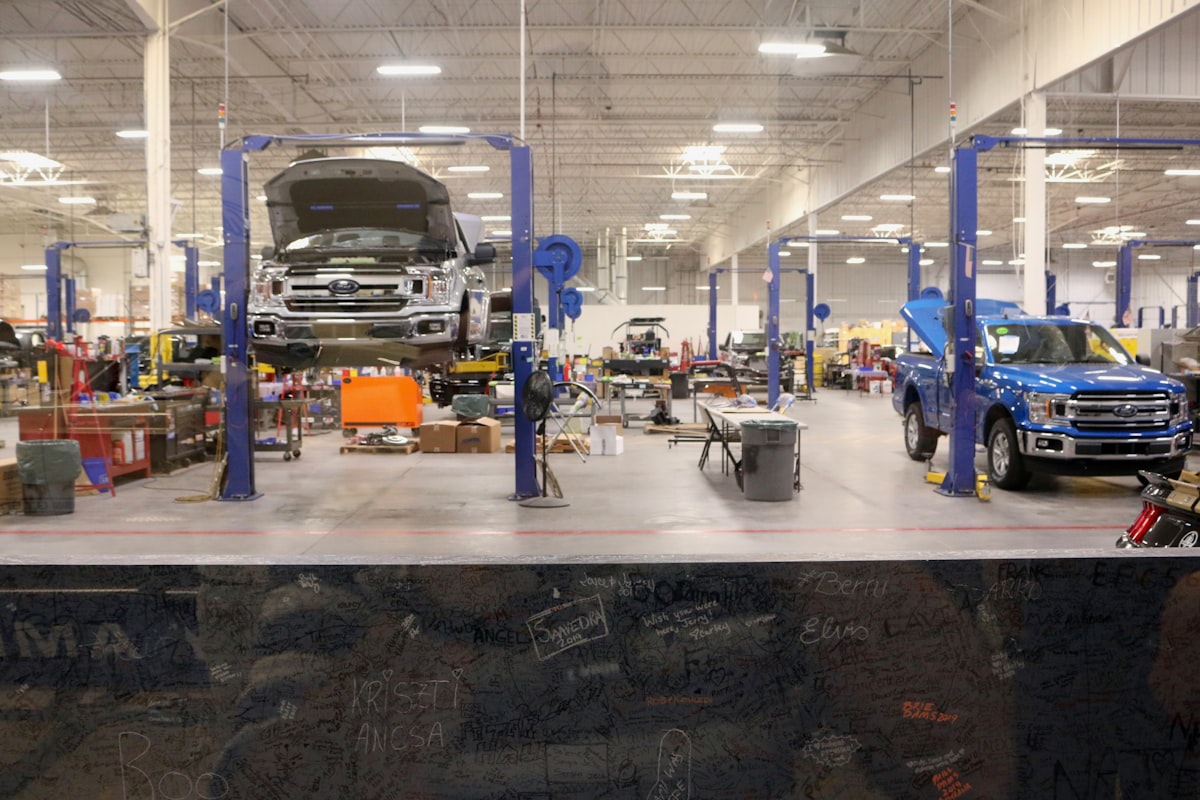
Dealer service and parts revenue is the financial lifeline keeping your local dealership's lights on right now. New vehicle sales are sliding. Leases are drying up. But the service bay? That is where the real money lives. And it is changing everything about how you will pay to keep your car on the road.
The Service Bay Is Now The Profit Center
Let me hit you with the numbers straight from the source. New vehicle sales in the United States are expected to contract by 2.5 percent this year compared to last. Leases could drop by 3 percent. Canada is staring down a 4.7 percent decline.
That sounds bad. And for showrooms sitting empty, it is. But dealerships have an ace up their sleeve. The service and parts department has quietly become the engine that powers the entire operation.
How much are we talking? Cox Automotive reported that average dealer service and parts revenue hit $9.23 million last year. That represents a 33-percent increase over the last eight years.
But here is the catch. Service visits actually declined slightly over that same period. Fewer people are coming in. But they are paying a whole lot more when they do.
Rick Wegley, an instructor and consultant at NCM Associates, told Automotive News that service can generate as much as 85 percent to 90 percent of revenue for a majority of dealerships.
Eighty-five to ninety percent. Let that sink in. The shiny new cars on the showroom floor are practically window dressing. The service bay is the business now.
Why Your Repair Bills Keep Climbing
You have felt it. Your friends have felt it. Repair bills have dramatically outpaced inflation, increasing by 40 to 60 percent since 2020. The reasons are stacked against everyday drivers.

Surveys suggest that somewhere between 50 and 70 percent of customers are delaying work whenever possible. Household budgets are tight. Disposable income is down. People are holding onto vehicles longer than ever.
That delay creates a brutal ripple effect. Skip the small preventive maintenance today and you are buying a much bigger repair tomorrow. The average service bill swells because the problems compound.
The Technology Gatekeeping Problem
Your car is not just a machine anymore. It is a rolling computer packed with sensors, software, and specialized equipment that requires equally specialized diagnostic tools to fix. Independent mechanics often have to purchase or lease these tools directly from automakers. Third-party solutions take years to develop.
This is not an accident. Automakers know that proprietary diagnostic equipment and calibration requirements give branded service centers a massive edge over your neighborhood mechanic. It also makes DIY repairs a lot harder.
The Truth About Cars reports that do-it-yourself repairs have increased by roughly 30 percent as household finances tightened after 2020. People want to save money. The problem is that newer vehicles are actively designed to push you back to the dealer.
Mobile Mechanics Are Coming To Your Driveway
Mobile repair services have exploded in popularity. Companies with fleets of roving mechanics will now show up in your driveway and put in wrench time right there. It is convenient. It is competitive. And automakers noticed.
Ford has been leading the charge on encouraging dealerships to offer mobile service for retail customers. General Motors and Stellantis are following. Several EV brands, including Tesla, have already embraced field repairs. The message is clear: if you will not come to the service bay, the service bay will come to you.
What This Means For Your Wallet
Real talk. The trajectory is not great for the average motorist. You will probably spend more on repairs. The dealership will keep pushing service to stay in the black. Independent shops are swamped and struggling to keep up with the technological demands of modern vehicles.
Here are the forces squeezing you from every direction:
- Repair bills have jumped 40 to 60 percent since 2020, far outpacing inflation
- Customer retention at dealerships has declined by an estimated 12 percent as drivers flee to independent mechanics
- Skilled technicians are in short supply, which pushes labor rates even higher
- Specialized diagnostic equipment requirements funnel more work to dealer service centers
- Postponing preventive maintenance almost guarantees a larger, more expensive repair later
The reliance on dealer service and parts revenue has fundamentally shifted the relationship between you and the dealership. Every service visit is now an opportunity for them to sell you a new car. More people in the bay means more chances to walk someone onto the showroom floor.
But there is a silver lining if you drive an older model. Toyota and Honda both maintain well-stocked parts catalogs for high-volume vehicles, even those that are two decades old. General Motors provides parts through ACDelco. German luxury brands have always been strangely good at retaining parts availability despite premium pricing. Dealer service and parts revenue growth has actually incentivized automakers to support older models with OEM components.
- Toyota and Honda maintain extensive parts catalogs for decades-old high-volume models
- General Motors offers broad parts support through ACDelco
- German luxury brands retain parts availability for older vehicles
- OEM parts support is expanding as people keep vehicles longer
The Bottom Line
Until automakers decide to pivot back toward simpler, more easily serviceable vehicles, you will be increasingly dependent on technicians. Dealer service and parts revenue is not just keeping dealerships alive. It is reshaping what car ownership costs you every single year.
The industry sees longer vehicle ownership as a profit opportunity. You might see it as a chance to squeeze a few more years out of a paid-off car. Both things can be true. Just know that every time you roll into a service bay, you are not just paying for a repair. You are fueling the business model that now defines the modern dealership.
Frequently Asked Questions
Why is dealer service and parts revenue important when new vehicle sales decline?
Service and parts revenue provides a steady income stream that helps dealerships stay profitable even when new car sales drop.
How do service departments generate revenue?
They generate revenue through routine maintenance, repairs, and selling genuine parts and accessories.
What types of services are most profitable for dealerships?
High-margin services like engine repairs, transmission work, and warranty-related jobs are particularly profitable.
Can parts sales alone sustain a dealership?
While parts sales contribute significantly, they are most effective when combined with service labor income.
How can dealerships boost their service and parts revenue?
By offering promotions, loyalty programs, and ensuring quick turnaround times to retain customers.

Dominic Fischer writes about cars and the future of mobility, covering everything from new launches to charging infrastructure. He follows how the way we drive is changing and what comes next on the road.
💬 Comments (0)
No comments yet. Be the first!