Cloud Edge Enhancement Pushes Van Solar Over 100%
A rare cloud edge enhancement effect pushed a Redditor's 880W van solar array past 1,050W. Science explains the surprise.
Cloud edge enhancement sounds like something whispered in a meteorology lab. But for one van owner on Reddit, it was a real-world jackpot. They opened their solar app and saw an 880-watt system spitting out more than 1,050 watts. That is over 100 percent of its rated power. It should not happen. Yet there it was, right on the screen.
Redditor Full_Analysis_3392 did not panic. They did not declare physics broken. They did what curious people do. They asked smarter people for answers. And the answer turned out to be one of the coolest quirks in solar science.
The Van Roof That Broke Physics
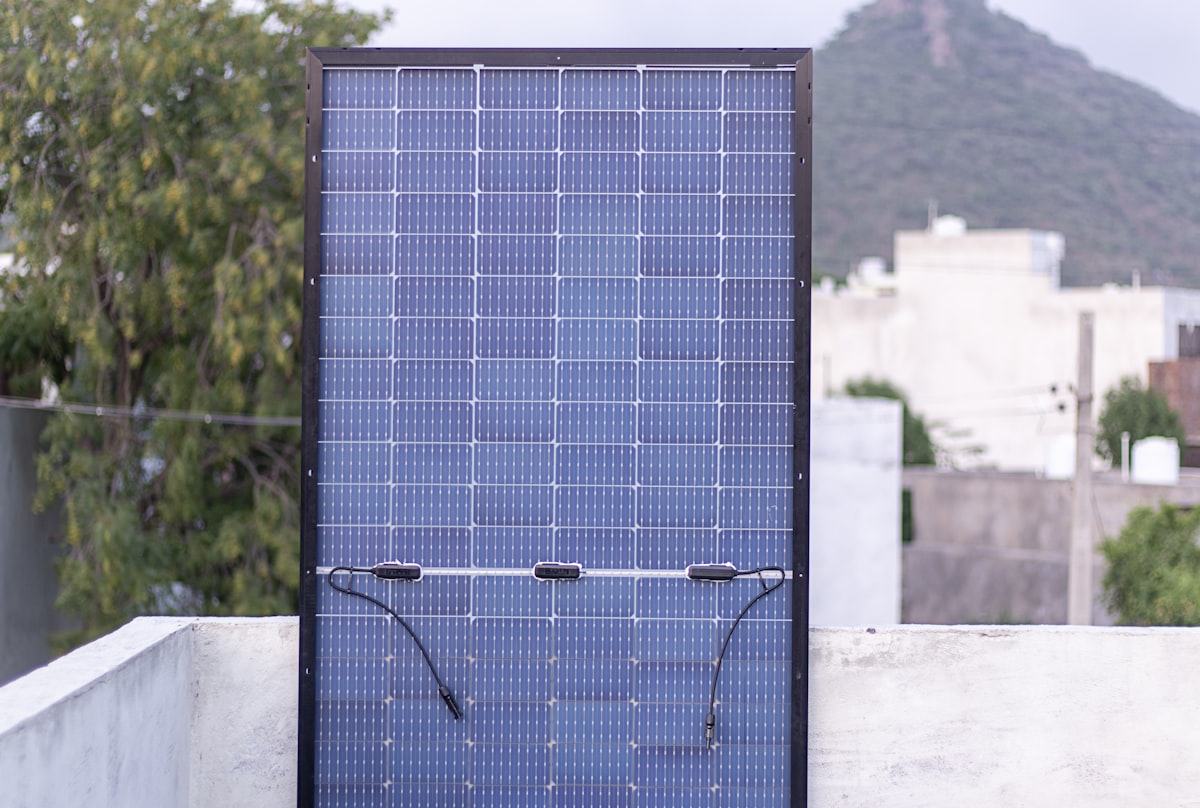
Here is what sat on that roof. Two Jinko Tiger Neo 440W bifacial panels. Dual glass. All black. N-Type. Mounted on an XLWB Sprinter. Total rated output: 880 watts. That is the number stamped on the spec sheet.
Over 1,050 watts. But the app showed something else entirely, and it's more than the panels are supposed to make, so Full_Analysis_3392 took to Reddit with the obvious question.
"I have 2x 440w double sided panels on the roof of my XLWB Sprinter and suddenly I am making more power than I thought possible. The panels are Jinko Tiger Neo 440W Dual Glass All Black N-Type Bifacial. Any one able to explain? Are they actually 440w per side?"
The answer came fast. And it was not a manufacturing error.
Why a Van Sees It More
Redditor Adorable_Wolf_8387 jumped in first. Certain atmospheric conditions, they explained, can hit the ground with more light than direct sunlight alone delivers. Mister-at added the detail that makes this click. It happens after rain. Cold panels and cold air boost efficiency. A normal sunny day bakes the panels. This was the opposite.
But the van part matters. This is not a house roof surrounded by trees and chimneys. A van roof sees a bigger sky. More clouds. More variety in those clouds. That makes it a perfect candidate for what scientists call cloud edge enhancement.
What Is Cloud Edge Enhancement?
Let us cut through the noise. Cloud edge enhancement happens when cloud patterns bounce and concentrate sunlight in ways a clear sky never does. The technical term is cloud irradiance enhancement. The technical measurement is global horizontal irradiance. The practical result is simple: more watts than your panels should ever make.
Here is the deal. You do not need to understand the physics to appreciate what happened on that Sprinter. Sunlight hits clouds. Clouds scatter light. The edges of certain cloud formations act like lenses. They focus extra energy onto small areas. If your panels happen to be in that sweet spot, you get a temporary surge.
The science has a name behind it. Castillo-Cuberos and Escobar at the Pontificia Universidad Católica de Chile published a paper on exactly this. Their work, available on Science Direct, digs into detecting and characterizing these events. The paper is titled "Detection and characterization of cloud enhancement events for solar irradiance using a model-independent, statistically-driven approach." Dry title. Wild implications.
After the Rain, the Surge
Mister-at nailed the real-world trigger. Rain cleans the air. It washes dust off your panels. It drops the temperature. Cold solar cells perform better. Combine all that with the right cloud formation, and suddenly your 440-watt panels act like they had an energy drink.
Elaborate on the practical implication. This is not a laboratory curiosity. It is a repeatable weather event. Transient conditions. Rapidly changing skies. If you have ever stood outside after a storm passes and felt the sunlight hit harder than usual, you have experienced the raw ingredient. Cloud edge enhancement just puts a number on it.
The Hidden Risks for Solar Plants
But here is the catch. That surge is not always a gift.
So for a large photovoltaic plant, cloud edge enhancement can become a serious operational problem because it's the same spike that gives you an extra hundred watts that can trip protection equipment at utility scale. Small van system: pure upside.
Here are the risks identified in the research:
- Inverter overloading and power clipping during high-irradiance transients.
- Protection elements like fuses tripping unexpectedly.
- Operational impairments causing economic losses for plant operators.
do Nascimento et al. documented this in 2019 across several photovoltaic plants in Brazil. Fuses tripped. Systems went down. Money vanished. The same cloud edge enhancement that delighted one Redditor can give plant operators a very bad day.
Castillo-Cuberos and Escobar argue that factoring in the frequency, magnitude, and duration of these events is not just a meteorological curiosity. It is a key input for plant design and operation.
What This Means for You
Real talk: if you own rooftop solar on a van or an RV, this is a fun story with zero downside. You might wake up after a rainstorm, check your app, and see a number that makes you grin. The panels are fine. The system handles it. You just got lucky with the weather.
It's not theoretical. If you design solar installations for a living, the takeaway is sharper because cloud edge enhancement isn't rare enough to ignore, and the data from Chile and Brazil backs it up. You size fuses and inverters for the sunny day. But you might need to plan for the cloudy one too.
Electrek's Jo Borrás put it bluntly in the publication's take on the story: 'ask yourself when the last time some kooky cloud cover meant you got to wake up with an extra gallon of fuel in your tank. Never. That is the quiet advantage solar keeps delivering. Even the weather can tip in your favor.
The Verdict
Cloud edge enhancement is one of those rare things that sounds like a glitch but is actually a feature of the natural world. The Redditor got their answer. The panels are not 440 watts per side. They are 440 watts total, under standard test conditions. But standard test conditions do not include a freshly washed sky and a lens of cloud edge focusing extra light onto a van roof.
It does not break physics. It just bends expectations. And if you ever see a number over 100 percent on your solar app, now you know why.
Frequently Asked Questions
What is cloud edge enhancement in the context of solar power?
Cloud edge enhancement occurs when specific cloud patterns bounce and concentrate sunlight in ways a clear sky typically does not. The edges of certain cloud formations effectively act like lenses, focusing extra energy onto small areas and leading to a temporary surge in power output for solar panels.
Why did the van owner's solar system produce more than 100% of its rated power?
The van's solar system experienced an unusual power surge due to cloud edge enhancement, where clouds focused extra light onto the panels. This event was also triggered after rain, which cleans the air, washes dust off panels, and cools them, further boosting their efficiency.
What are the potential negative consequences of cloud edge enhancement for large-scale solar plants?
For large photovoltaic plants, cloud edge enhancement can cause serious operational problems because the sudden power spikes can trip protection equipment. This can lead to issues like inverter overloading, power clipping, unexpected tripping of fuses, and overall operational impairments that result in economic losses.
Under what specific conditions is cloud edge enhancement most likely to occur?
Cloud edge enhancement is most likely to occur after rain, as the rain cleans the air and cools the panels, which boosts their efficiency. When these conditions combine with specific cloud formations that scatter and focus sunlight like lenses, a temporary surge in solar power can be observed.
Who has conducted research and documented cloud edge enhancement events?
Castillo-Cuberos and Escobar at the Pontificia Universidad Católica de Chile published a paper on detecting and characterizing these events for solar irradiance. Additionally, do Nascimento et al. documented the risks associated with cloud edge enhancement at several photovoltaic plants in Brazil in 2019.

Dominic Fischer writes about cars and the future of mobility, covering everything from new launches to charging infrastructure. He follows how the way we drive is changing and what comes next on the road.
💬 Comments (0)
No comments yet. Be the first!