Audi Q9 Launch Marks Shift to Local-Cars Strategy, CEO Says
Audi Q9 is the first car designed around US requirements, says CEO Gernot Döllner, part of a shift from global cars to regional models.
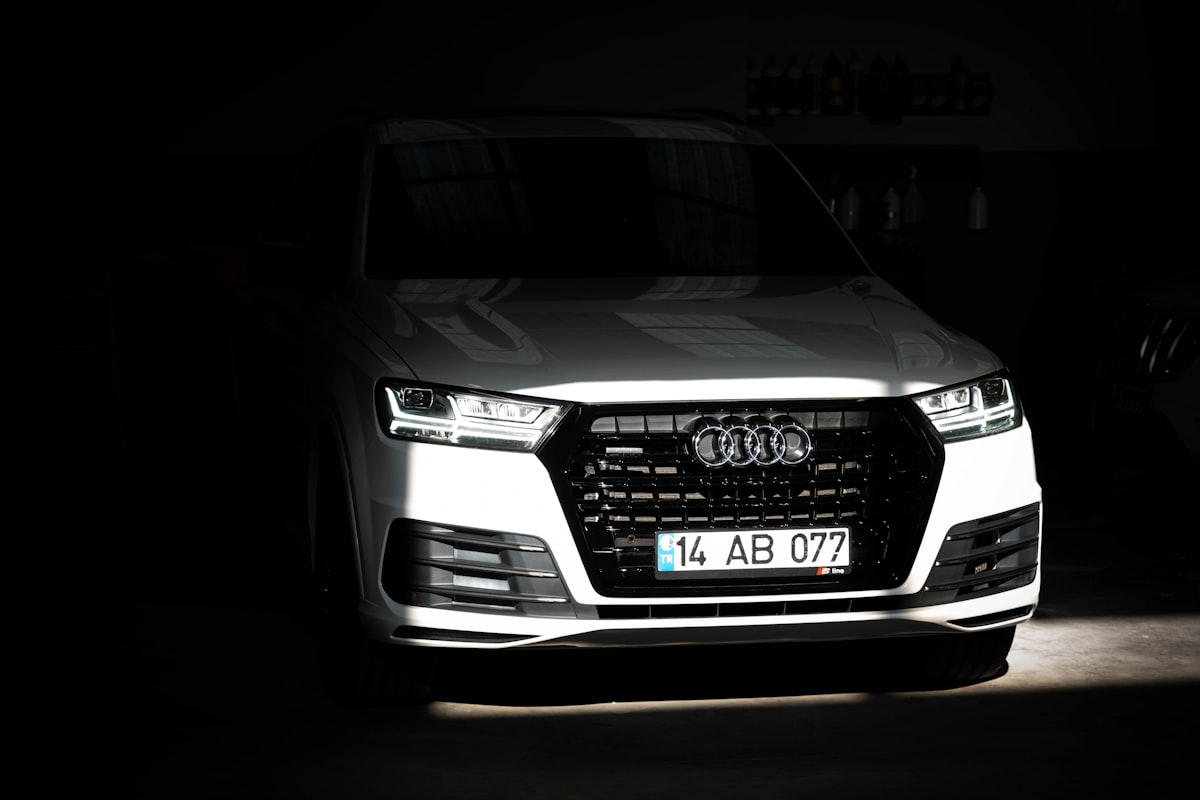
Audi Q9 is not just another SUV. It is the physical embodiment of a strategy shift that Audi AG CEO Gernot Döllner laid out in plain terms: the global car, that old industry ideal of one vehicle for every market, is finished. In its place comes a patchwork of regional priorities, and for the first time, the United States gets to go first.
US First, World Second
“With Audi, we have to be flexible on a global perspective,” Döllner said, and the Q9 is where that flexibility becomes metal, leather, and plastic. The development process inverted the traditional Audi script. No European launch with a delayed American rollout. No adapting a German market car to US tastes after the fact.
“It's really the car where US requirements were at the center of the product development process. It's dedicated to the US for the first time. Global launch, not Europe and then US. And for the Q9, it's the US first and then it's also dominated the volume we expect by the US American market.”
The company expects American buyers to dominate the sales charts. The rest of the world gets the Q9 afterward. That ordering matters. It signals where Audi believes the gravitational center of large luxury SUVs now sits.
What the Q9 Actually Changes
Audi paid attention to things it might have dismissed a decade ago. Döllner pointed to JD Power surveys as a genuine influence on the interior design. The result is a cabin that prioritizes tactile, obvious usability over sleek minimalism.
“We rearranged the smart door panels we have in our A5, A6, and Q5 cars and came back to dedicated switches, optimized the interior cooling, and of course seating, the roof concept, all that with a key customer focus.”
Dedicated switches. Let that land for a second. In an era where automakers race to bury every function behind a touchscreen, Audi reversed course. Physical buttons returned because American buyers complained loudly enough to move the needle.
Cup Holders and Switchgear
And then there are the cup holders. Yes, the Q9 was engineered to accommodate the oversized insulated mugs that American drivers treat as essential equipment. It sounds trivial. It is not. A vehicle that cannot hold a Yeti tumbler is a vehicle that fails the daily usability test for a massive slice of the target market. Audi finally accepted this.
The broader philosophy, Döllner explained, is that making a car perfect for Americans rarely causes problems in Europe. The reverse is trickier. European market optimizations often leave US customers cold. The solution is straightforward: lead with the more demanding market, then adapt downward in complexity where needed.
China Goes Its Own Way
But that framing misses something. The US and Europe can share products. China cannot. Döllner visited the Beijing motor show two weeks before making these remarks, and the experience crystallized his view.
“It's crystal clear that the global car for the era of the global product is over. We will need also China-specific solutions from the ecosystem, from the supply chain, from the production system, much more than we have in the past to be successful in China.”
China gets its own cars. Its own supply chain. Its own production footprint. The ambition is to build a self-contained Audi operation inside China that does not depend on European or American product cycles. Döllner called it a “future-resistant setup,” language that hints at how fragile the old model has become in the face of trade barriers and geopolitical friction.
- China market vehicles will diverge from global models
- Local production systems are no longer optional
- European and North American products can become more region-specific as a result
A V8 Supercar? Maybe
Döllner described himself as “a big fan of V8” and noted the engine is “a perfect fit to the full-size SUVs.” That opened a door. Another journalist asked about a new R8 supercar, given that Lamborghini now has a V8 in the Temerario and the two brands share technology inside Volkswagen Group.
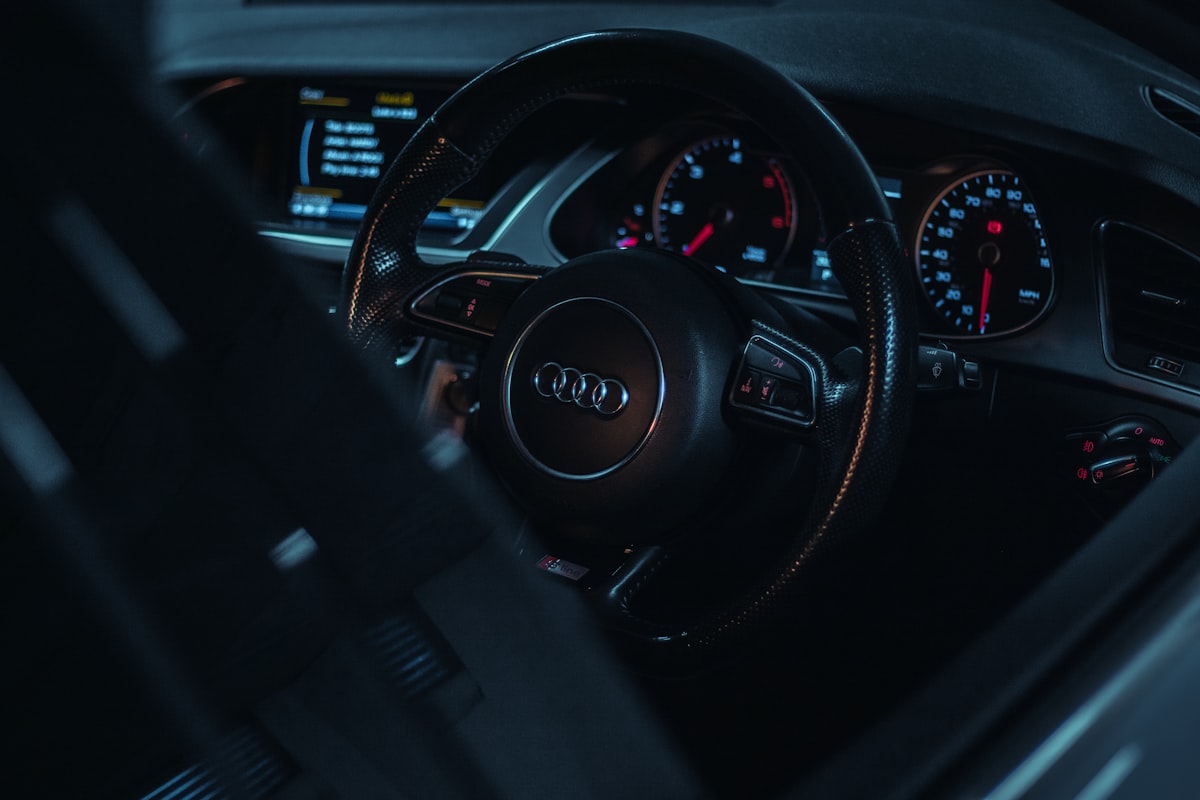
Döllner did not say no. He called the Temerario's engine “really outstanding” and pointed to the C Sport as proof that Audi can take a Porsche platform and produce something unmistakably Audi. Then he said, “Good idea.”
That is not a product announcement. It is also not a denial. For fans of the departed R8, two words are better than silence.
Wagons Are Not Dead Yet
Audi retired the RS6 Avant from the US market. For a moment, it seemed the long roof experiment was over. Then dealers pushed back.
“I'm really positively surprised to say that our dealers… they really asked for the RS models to be brought to the US as wagons as well. And we didn't have that in our base plans, but I think we are doing that.”
The Dealer Push
Dealers specifically requested RS wagons. The request landed outside Audi's existing product roadmap. Döllner suggested sportier RS versions and allroad variants could make the crossing, even if base wagons stay in Europe. The RS5 Sportback arrives soon. An Avant version exists for Europe. It is not officially destined for American showrooms, but Döllner's tone shifted noticeably when discussing it.
The wagons may return because the people selling the cars asked for them. That kind of bottom-up product planning is rare at a company Audi's size.
The New Playbook
The Q9 is the first visible output of a reorganized Audi. Local tastes drive product decisions. Dealer feedback changes launch plans. China operates on its own track. The unified global portfolio gives way to a collection of regional lineups that share some overlap but refuse to compromise where markets diverge.
- US requirements now lead certain vehicle programs
- European and American lineups stay mostly shared
- China becomes a standalone product ecosystem
- Dealer input influences RS and niche model planning
For American buyers, the Audi Q9 represents something rare: a German luxury SUV that was not retrofitted to American life but built for it from day one. The insulated mug fits. The switches click. The cooling works. And the company that made it is now structured to notice when those things go wrong.
FAQ
What is the Audi Q9?
The Audi Q9 is a full-size luxury SUV developed primarily for the US market, marking a shift in Audi's strategy toward regional models.
When will the Audi Q9 launch?
Audi has not announced an exact launch date, but the Q9 is expected to debut first in the US, followed by other markets.
Will the Audi Q9 have a V8 engine?
CEO Gernot Döllner hinted that a V8 is a perfect fit for full-size SUVs, suggesting the Q9 may offer a V8 option.
Frequently Asked Questions
What is the Audi Q9?
The Audi Q9 is the brand's new flagship SUV, set to be the largest model in Audi's lineup.
When will the Audi Q9 be launched?
The Audi Q9 launch is expected to occur in 2025, marking a strategic shift for the brand.
What is Audi's 'local-cars strategy'?
The local-cars strategy involves producing vehicles in regional markets to reduce costs and better meet local demand.
Where will the Audi Q9 be produced?
The Audi Q9 will be produced in China as part of Audi's localization efforts.
How does the Q9 fit into Audi's lineup?
The Q9 will sit above the Q8 as Audi's largest SUV, targeting the luxury full-size segment.

Sebastian Wolf reports on the car industry, from performance machines to the engineering that powers them. He is fascinated by how manufacturers balance tradition with the rapid move to electrification.
💬 Comments (0)
No comments yet. Be the first!