The History of the AMC Ambassador Explained
Trace the half-century story of the AMC Ambassador, from its 1927 roots as a luxury Nash model to its final 1974 run.
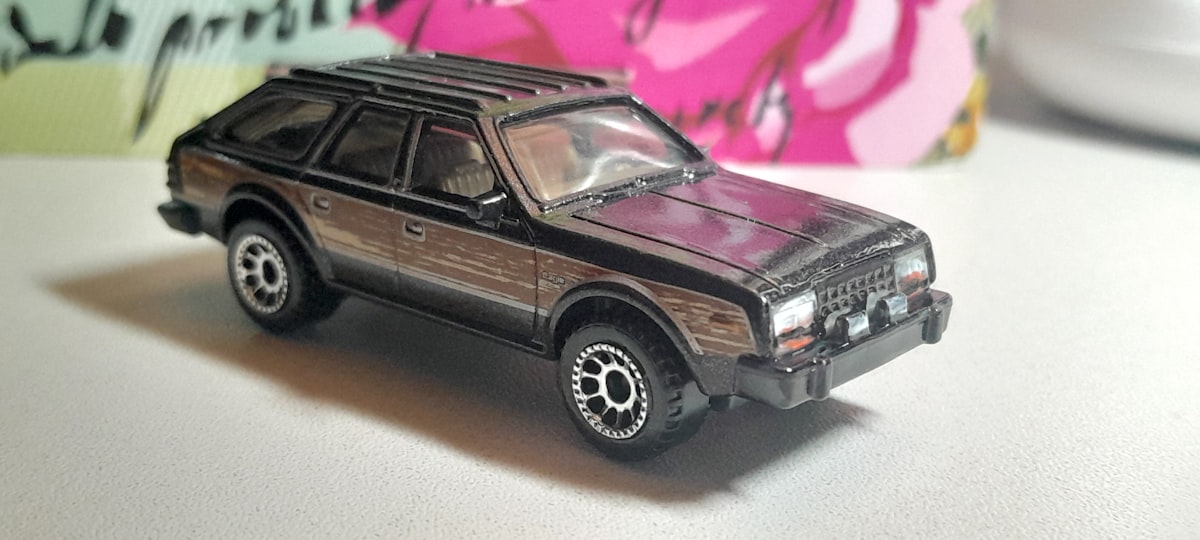
AMC Ambassador history reveals a long road
AMC Ambassador models hold a unique place in American automotive history. When production wrapped up in 1974, this nameplate officially held the record as the longest produced model name in the country. It is a story that stretches back nearly half a century.
From Nash origins to the final days
The story begins in 1927. The name first appeared on the upscale four door version of the Nash Advanced Six. Over the following decades, the brand used this model as its flagship to showcase new technology. It stood out for several early innovations that were ahead of their time:
- Integration of the Weather Eye heating and ventilation system
- Early mass produced unibody construction techniques
- Pioneering use of seat belts
- Fold flat seats designed for sleeping
The brand eventually merged with Hudson in 1954 to form American Motors Corp., and that single move reshaped the entire trajectory of what they'd been building. It was a bold gamble. Following this, the company reinvented the car as a larger, more luxurious version of the Rambler, a direct shot at Cadillac and Lincoln's territory, yet priced as an affordable alternative. So they bet big on middle-class ambition, and it's a play that still defines their legacy.
A bold approach to luxury
Through the 1960s, the company took aggressive marketing stances, frequently placing their cars directly against major competitors from Ford, Chevrolet, and Chrysler in a head-to-head battle for buyers. Smart move: air conditioning. By making it standard equipment, they elevated the status of the brand significantly, and that single decision shifted how the public viewed their entire lineup, so it wasn't just a feature but a statement of value.
Peak interest hit in 1969. That single year saw the company roll out more than 76,000 examples, a staggering figure that seemed to confirm the brand had finally found its rhythm and could do no wrong. It felt unstoppable. But the market is always shifting, and that's the thing about momentum, it never lasts. Don't count on it.
Real talk on ownership
Before you chase that dream car, know what you're buying. Joe Ligo, who owns a 1972 model, offers a clear perspective on the realities of living with one of these machines, and he doesn't sugarcoat the experience. So, what's the real deal? They're relaxed to drive, sure. But they're not without their flaws, and that's the part you can't ignore when you're handing over your cash.
The car represents dignity, craftsmanship, and a largely forgotten chapter of American automotive history.
It's a 1972 machine, so you're dealing with a 360 cubic inch V8 and a Chrysler TorqueFlite automatic transmission. It looks the part, sure, with that vinyl roof and wood grain speedometer. But it isn't perfect. You might have to contend with excessive wind noise, and systems like the air conditioning can simply stop working, which is a real letdown on a hot summer day when you're just trying to enjoy the drive. Finding replacement parts is a genuine challenge for the average owner, too. It's not for everyone.
The end of an era
The 1973 oil crisis changed everything. As fuel costs rose, buyers suddenly looked for much smaller, more efficient options. Sales for the model fell off a cliff. After a final redesign in 1974, the company pulled the plug on the entire line.
Does it have high collector value? Not necessarily. But for those who love this era, it represents something more than just a resale price. It stands for a time when an independent automaker could hold its own on the highway.
What this means for you
If you're curious about the AMC Ambassador, remember you're preserving a legacy. These cars are survivors. They're remnants of a company that no longer exists, and every one that still rolls or even sits quietly in a garage carries the weight of a brand that vanished from the map decades ago. Patience is required. You'll need a genuine love for classic engineering to keep one on the road today, because parts don't just appear and every fix demands a hands-on understanding of how things used to be built. They're not just cars. So look closer. They're a window into a time when American manufacturing was reinventing itself every single year, when each new model felt like a gamble and a promise, and that restless spirit is exactly what you're holding when you grab that steering wheel.
Whether you want a project to wrench on or a piece of history to cruise in, these vehicles offer a driving feel you just do not get from modern tech. Just be ready to hunt for parts and manage some quirks along the way. That is the price of keeping a piece of history alive.
Frequently Asked Questions
What record does the AMC Ambassador hold in American automotive history?
The AMC Ambassador holds the record as the longest-produced model name in the country when production wrapped up in 1974. Its story stretches back nearly half a century, starting in 1927.
How did the merger with Hudson in 1954 change the AMC Ambassador?
The merger with Hudson in 1954 formed American Motors Corp. and reshaped the entire trajectory of the car. The company reinvented the AMC Ambassador as a larger, more luxurious version of the Rambler, targeting Cadillac and Lincoln but priced as an affordable alternative.
What strategic move did the company make in the 1960s to elevate the AMC Ambassador's status?
The company made air conditioning standard equipment on the AMC Ambassador, which elevated its status significantly. This decision shifted how the public viewed the entire lineup, making it a statement of value rather than just a feature.
According to owner Joe Ligo, what are some common issues with the 1972 AMC Ambassador?
Joe Ligo, a 1972 AMC Ambassador owner, mentions excessive wind noise and that systems like air conditioning can simply stop working. Finding replacement parts is also a genuine challenge for the average owner.
Why did the AMC Ambassador production end after the 1973 oil crisis?
The 1973 oil crisis caused buyers to look for much smaller, more efficient options as fuel costs rose, leading to a significant drop in sales for the AMC Ambassador. After a final redesign in 1974, the company pulled the plug on the entire line.

Dominic Fischer writes about cars and the future of mobility, covering everything from new launches to charging infrastructure. He follows how the way we drive is changing and what comes next on the road.
💬 Comments (0)
No comments yet. Be the first!