Top Gun stunt pilot failed eye test, built traffic empire
Jonathan Spano failed the Navy eye test, so he built a $1M/day traffic company and flew in Top Gun: Maverick.
Top Gun stunt pilot Jonathan Spano couldn’t pass the U.S. Navy’s eye test as a kid. So he started a traffic control company that now pulls in over $1 million a day. Decades later, that business bankrolled his flying lessons, a private jet, and a seat in the cockpit for some of Top Gun: Maverick’s most breathtaking aerial scenes.
Spano, now 48, grew up in a “very blue-collar” California family obsessed with airplanes, a household where the hum of engines and the promise of the sky were ever present. He built model planes and hung them from his bedroom ceiling with fishing line. But when the original Top Gun hit theaters, he was hooked like countless other young boys, swept up in a wave of cinematic adrenaline and the roar of afterburners that seemed to define a generation's dreams. He wanted to fly Navy jets and land on aircraft carriers. That was the goal.
There was just one problem. “I learned that you had to have better than perfect eyesight, really,2020 is kind of the minimum standard,” Spano said. “I didn’t meet that criteria, so that took that off the table for me… My eyesight was just not that good. I wore glasses as a kid.”
So he pivoted. Hard.
From Cones and Barricades to a National Empire
As teenagers, Spano and his brother started doing traffic control work, setting out cones and barricades for a crane company their father worked for. They spotted a gap in the market early on. But here's the thing: you could rent barricades from one company, yet they wouldn't place them, while another firm might handle the permits but skip every other traffic service, leaving contractors to juggle a mess of vendors and hope it all comes together on site. It's a real puzzle. So the brothers saw their opening.
In 1995, they launched a side hustle offering everything in one package: rental equipment, cones, barricades, road signs, plus 24/7 emergency dispatch. The operation started in their great-grandmother’s garage.
“The plan was never to build a national company,” Spano said. “It was really a way to just make some money, and it just continued to grow.”
Thirty years later, Traffic Management Inc. Operates across more than 50 locations in the U.S. Spano calls it the largest privately held traffic control company in the country. Revenue exceeds $1 million a day.
The Accountant’s Tip That Changed Everything
Two decades into running the business, Traffic Management's finance chief suggested buying a small plane, and the logic was hard to argue with since it promised both a tax write-off and a faster way to reach the company's ever-growing list of offices across the region. It made sense. But the real question was whether they'd actually use it enough to justify the cost.
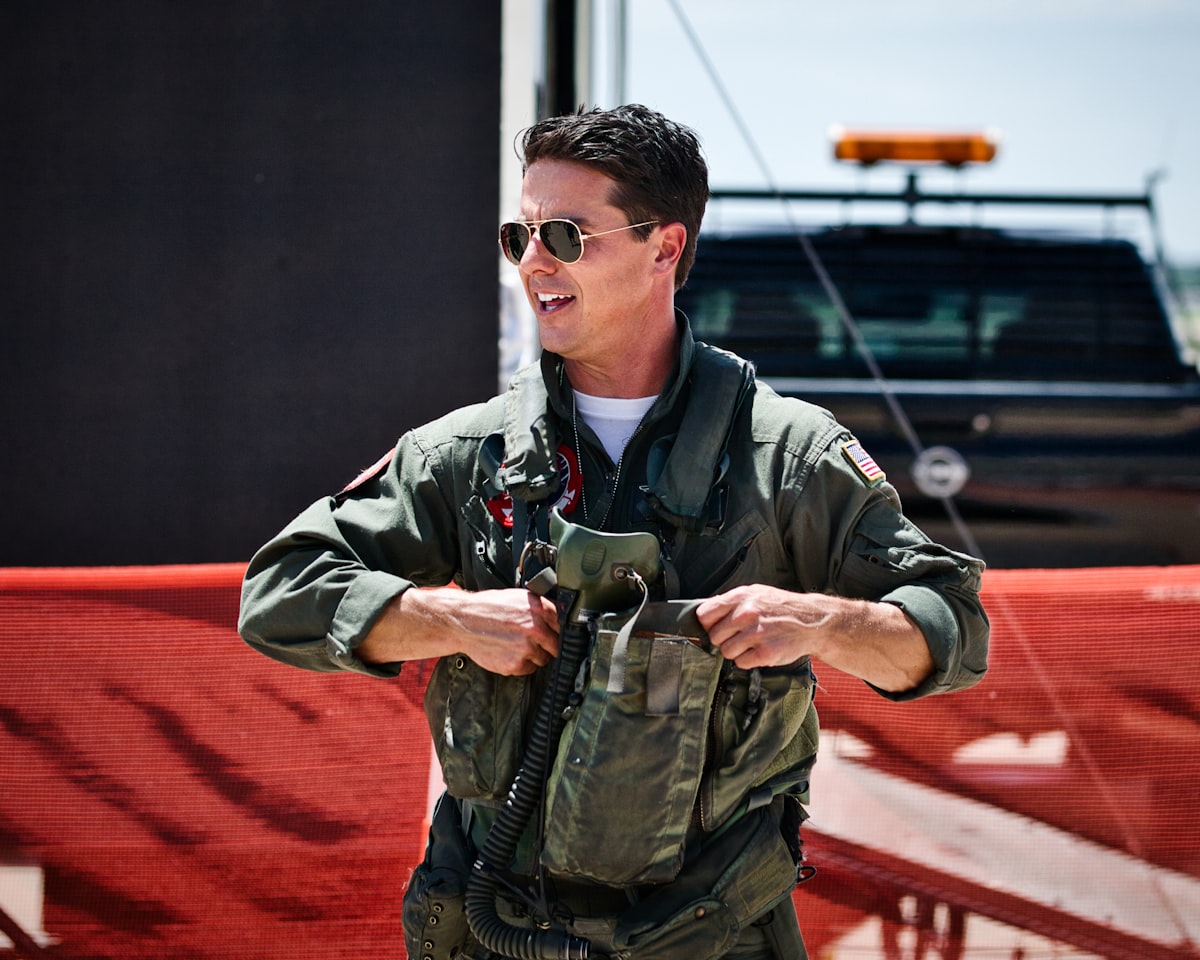
“It had never occurred to me that I would maybe be able to fulfill that dream as a pilot,” Spano said.
He bought a Cessna, learned to fly, and started using it to skip long drives across California. The efficiency helped the company grow from two offices to 20 in the state. Aviation played a key role in that success story, he noted.
One plane led to another. Bigger. Faster. Eventually a private jet, each step costing a few hundred thousand dollars. But Spano also chased a second childhood passion: filmmaking.
A $2 Million Helicopter and a Wild Idea
He bought a helicopter for around $2 million and teamed up with Fred North, a Hollywood aerial coordinator. They mounted camera rigs on the helicopter for film and commercial shoots. Then North floated an idea that would change Spano’s life.
“They’re making another Top Gun film,” Spano recalled North saying. “You should try to modify your jet to carry the same cameras that we do on the helicopter, and if you can pull it off and get it done, you could work on and fly your airplane in this next Top Gun movie.”
Spano spent roughly 18 months and well into seven figures modifying his Embraer Phenom 300. The jet needed two camera systems and FAA certification. “We pulled it off in time to have the jet work on production and fly in the Top Gun: Maverick film,” he said.
Flying alongside veteran film pilot Kevin LaRosa Jr., Spano handled “a large portion of the jet-to-jet aerial sequences, including all of the aircraft carrier sequences.” The team took home a Screen Actors Guild Award for stunts.
What It Took to Chase the Dream
Spano’s path wasn’t glamorous. He studied at 11 p.m. While his family slept and woke at 6 a.m. For his day job. Getting to his level as an aviator took thousands of hours of training, not just earning a license.
“I look back at how hard I worked to get to where I am while running a business and getting my license, and it’s not a matter of just getting your license. To get to where I am as an aviator, it was thousands of hours of training.”
That persistence paid off beyond Top Gun. Paramount has approved a third installment in the series, with filming scheduled to begin in 2027. Spano is already in talks with the director.
“Considering we have the only platform in the world that is capable of what it is capable of,” he said, “I’m optimistic that we will be participating in that project.”
Beyond the Movies
His camera jet has since worked on commercials for NetJets, FlexJet, Gulfstream, Embraer, and Delta, plus projects for the U.S. Air Force. He also contributed aerial footage to National Geographic’s America the Beautiful, including shots of the Northern Lights over Alaska. That work earned an Emmy nomination.
- Screen Actors Guild Award for stunt work on Top Gun: Maverick
- Emmy nomination for National Geographic’s America the Beautiful
- Commercial work for major private aviation brands
- Contract work for the U.S. Air Force
Spano didn’t just get lucky. He built a business first, then used its profits to fund an expensive hobby that turned into a second career. He didn’t wait for permission or perfect vision. He found another route.
His advice for anyone chasing a dream job? “Be bold, take risks, but you know also you have to put in the hard work and dedication.”
Spano’s story proves that a childhood dream can survive rejection, bad eyesight, and three decades of detours. “I’m living proof that anything is possible, and though these things don’t happen on their own, and you have to make your dreams reality,” he said.
The Top Gun stunt pilot who failed the Navy’s eye test didn’t give up on flying. He just found a longer runway.
Frequently Asked Questions
What was the primary reason Jonathan Spano could not become a Navy pilot?
Jonathan Spano could not become a Navy pilot because he failed the eye test, as he did not meet the minimum vision standard of 20/20. He wore glasses as a kid, and his eyesight was not good enough for the Navy's requirements.
How did Spano's traffic control company begin, and what was its initial scope?
Spano and his brother started doing traffic control work as teenagers, setting out cones and barricades for a crane company their father worked for. In 1995, they launched a side hustle in their great-grandmother's garage, offering a complete package including rental equipment, cones, barricades, road signs, and 24/7 emergency dispatch. The plan was never to build a national company; it was just a way to make some money.
What role did aviation play in the growth of Traffic Management Inc.?
Aviation played a key role in the company's growth by allowing Spano to skip long drives across California, which helped the company expand from two offices to 20 in the state. He bought a Cessna, learned to fly, and used it for efficiency, contributing to the company's success.
What was the 'wild idea' that led Spano to work on Top Gun: Maverick?
The idea came from Hollywood aerial coordinator Fred North, who suggested Spano modify his jet to carry the same cameras used on helicopters for film shoots. Spano spent about 18 months and over seven figures modifying his Embraer Phenom 300 with two camera systems and FAA certification, which allowed him to fly in Top Gun: Maverick.
What recognition did Spano receive for his work on Top Gun: Maverick and other projects?
Spano and his team won a Screen Actors Guild Award for stunt work on Top Gun: Maverick. He also earned an Emmy nomination for contributing aerial footage to National Geographic's America the Beautiful, including shots of the Northern Lights over Alaska.
Julian Sterling reports on enterprise IT, data infrastructure and the vendors that keep modern business running. He has a long-standing interest in how organisations modernise their systems without breaking what already works.
💬 Comments (0)
No comments yet. Be the first!