Tesla Sued Over Fatal Texas Autopilot Crash
A wrongful-death suit filed in Harris County names Tesla, claiming Autopilot failed to prevent a deadly residential crash.
Tesla Sued Over Fatal Texas Autopilot Crash
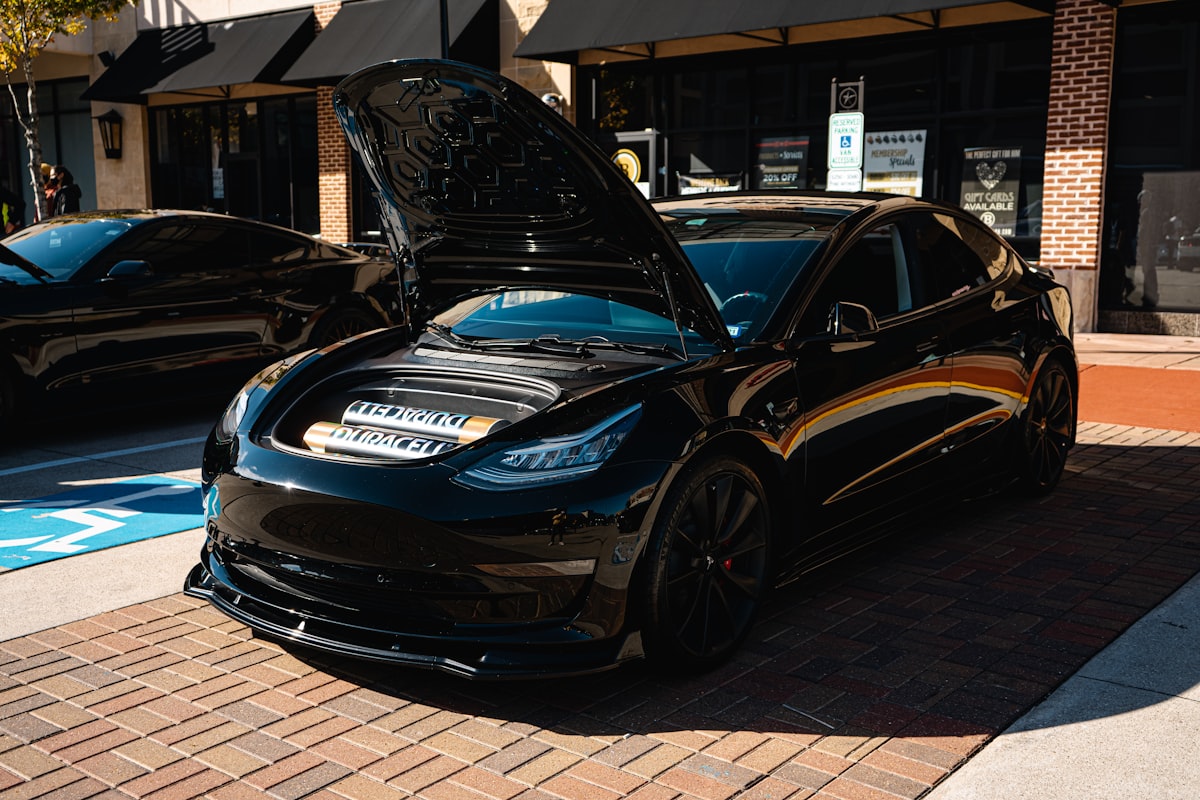
Tesla’s been sued over a fatal Texas Autopilot crash. The wrongful-death lawsuit, filed in Harris County District Court, stems from a tragic incident where a Model 3 collided with a private home near Houston, and the family of Martha Avila is now seeking over $1 million in damages from both the vehicle manufacturer and the driver, Michael Butler. But that’s not all. She died.
The Mechanics of the Collision
The car was traveling eastbound on Rose Hollow Lane around 8:00 p.m. on June 19. It left the road. And then it slammed into the front wall of the Barbour family home, where 76-year-old Martha Avila stood inside the very room that took the full force of the impact. She was airlifted to a hospital. They pronounced her dead there. Justin Barbour, who was also in the home, suffered injuries during the event, and the structure's condition is so severe that it's now described as unliveable.
Disputed Vehicle Behavior
The core dispute? The car's status at impact. Michael Butler told the Harris County Sheriff's Office that an automated driving system was active, but investigators simply haven't confirmed this claim yet. Law enforcement officials stated that they found no evidence of a mechanical malfunction and noted that Butler wasn't intoxicated during the event. So the National Highway Traffic Safety Administration is conducting an independent investigation using the event data recorder.
Allegations Filed Against the Manufacturer
The legal complaint outlines several specific claims regarding the performance and design of the vehicle:
- The vehicle allegedly failed to detect the end of the street and the house situated in its path.
- The software reportedly failed to monitor whether the driver was maintaining attention.
- The complaint claims a failure to warn owners about the limitations of Autopilot and Full Self-Driving.
- The plaintiffs suggest sudden unintended acceleration as a potential factor in the crash.
Conflicting Public Statements
Tesla representatives have publicly challenged the claim that the vehicle was operating under its own control. They're pointing fingers at the driver. Executives have suggested he or she was responsible for the high-speed collision, and they emphasize that the vehicle data indicates manual intervention rather than automated operation. But that's their story.

Ashok Elluswamy, the head of AI software at the company, stated that vehicle data shows Butler manually overrode self-driving by pressing the accelerator all the way to 100 percent of the pedal in this residential area, reaching 73 miles per hour. Elon Musk added that FSD drives slowly through neighborhood streets and this was a high speed crash.
Precedents and Future Legal Hurdles
The plaintiffs are leaning on a strategy similar to a recent Florida verdict. In that case, a jury found the company partially liable for a 2019 crash when a driver using Autopilot struck a T-intersection at 62 miles per hour while distracted, and they later assessed a penalty of roughly $243 million, a judgment upheld by a federal judge. But the current situation involves a 100 percent accelerator input. Lawyers for the carmaker will likely argue it's different from the distractions seen in previous litigation.
The Pending Data Review
The case is in its initial stages. It's just beginning. Both sides are expected to contest the preservation and interpretation of vehicle data, and previous legal battles over such information have proven difficult because disputes often arise over whether specific logs were accessible or even existed. But the event data recorder will ultimately provide the evidence needed to determine what occurred on Rose Hollow Lane. That's the key. This information will be more important than any statements released by the involved parties so far.
Frequently Asked Questions
What is the lawsuit about and who are the parties involved?
The lawsuit is a wrongful-death case filed in Harris County District Court after a Tesla Model 3 collided with a private home, killing Martha Avila. The family is seeking over $1 million in damages from Tesla and the driver, Michael Butler.
How did the crash occur according to the article?
The car was traveling eastbound on Rose Hollow Lane around 8:00 p.m. on June 19 when it left the road and slammed into the front wall of the Barbour family home. Martha Avila, who was inside the room that took the full force of the impact, was airlifted to a hospital and pronounced dead.
What does Tesla claim about the vehicle's operation at the time of the crash?
Tesla representatives claim the vehicle was not operating under its own control, pointing to driver responsibility. Ashok Elluswamy stated that data shows Butler manually overrode self-driving by pressing the accelerator to 100 percent, reaching 73 miles per hour in a residential area.
What evidence is expected to resolve the dispute over Autopilot usage?
The National Highway Traffic Safety Administration is conducting an independent investigation using the event data recorder. Both sides will contest the preservation and interpretation of this data, which will ultimately provide evidence to determine what occurred.
Why might this case differ from a previous Florida verdict involving Tesla?
The plaintiffs are using a strategy similar to the Florida verdict where Tesla was found partially liable, but the current case involves a 100 percent accelerator input. Lawyers for Tesla will likely argue this is different from the distractions seen in previous litigation.
Adrian Zeller writes about startups, funding and the markets that shape the technology industry. He looks for the story behind the numbers, tracking how young companies scale and where the next opportunities lie.
💬 Comments (0)
No comments yet. Be the first!