Southeast Asia Integrated Chip Hub: A Regional Ambition?
Southeast Asia integrated chip hub plans are taking shape with the ASEAN Framework for an Integrated Semiconductor Supply Chain (AFISS) to capitalize on the $258 billion regional export industry.
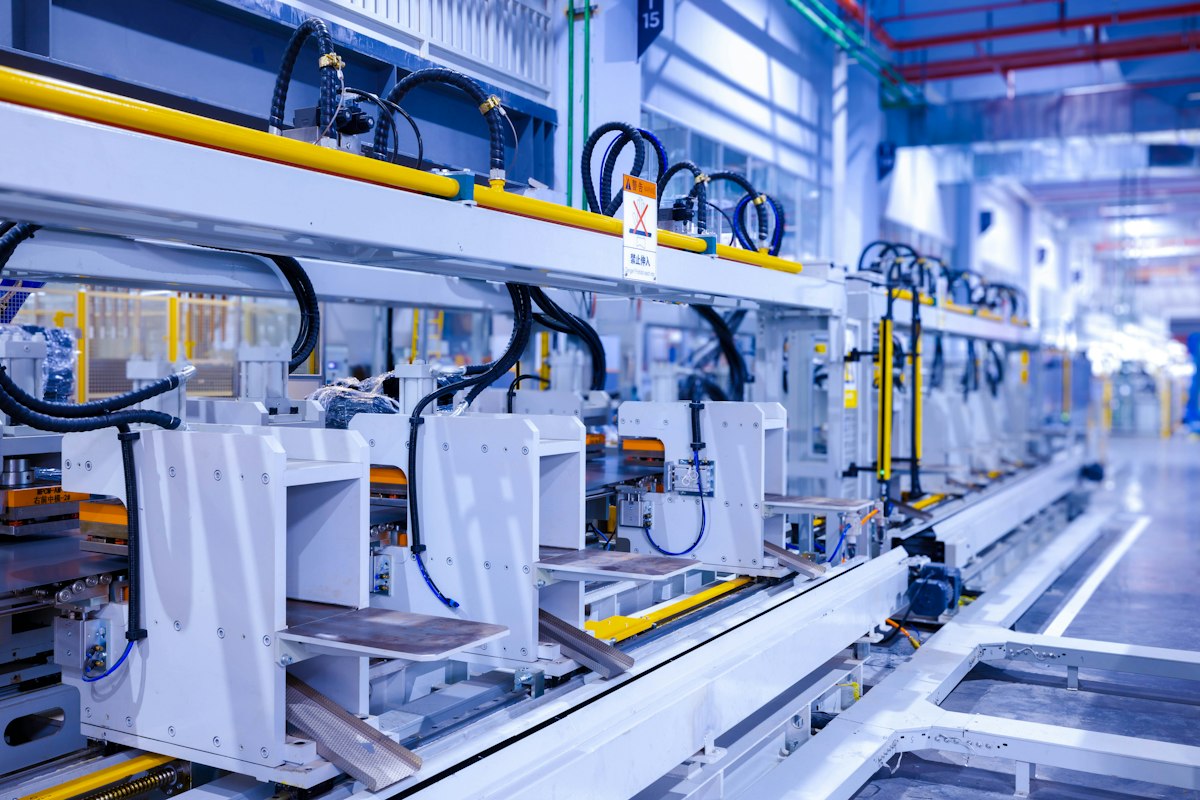
Southeast Asia Integrated Chip Hub: A Regional Ambition?
Southeast Asia's ambitions for an integrated chip hub are real. It's happening fast. A substantial investment boom now fuels this, driving economies like Vietnam and the Philippines up the World Bank’s income ranks with a surge in chip exports. And this regional chip export industry, valued at roughly $258 billion, reflects the combined impact of the artificial intelligence wave and escalating rivalry between Washington and Beijing, prompting companies to diversify their manufacturing footprints.
A Regional Ambition Takes Shape
The region isn't content with just foundries or packaging facilities. It wants more. Its greater aspiration is to forge a single, integrated supply chain, a vision that gains momentum precisely as geopolitical tensions threaten to cleave the global semiconductor sector in two. To solidify this ambition, ASEAN launched AFISS in 2025. It's the ASEAN Framework for an Integrated Semiconductor Supply Chain. And this initiative, a key deliverable of Malaysia’s 2025 chairship, aims for each member country to cultivate a specialized, complementary role, allowing the entire region to ascend the chip value chain.
The timing for this regional push appears opportune. Robert Walker, a research fellow at the Lowy Institute’s Indo-Pacific Development Centre, observed that the "cultivation of semiconductor supply chains has put the region in the right place at the right time." Countries including Malaysia, Singapore, Vietnam, Thailand, and the Philippines have seen substantial benefits. In 2023 alone, exports of semiconductors and related components from Southeast Asia reached $42.2 billion to China and $15.1 billion to the U.S.
Piriya Piriyakrit, a senior analyst at BowerGroupAsia, further elaborated on the region's position.
"Southeast Asia has emerged as a critical semiconductor manufacturing hub, particularly for assembly, testing and packaging. The region has attracted substantial investment since the pandemic as companies seek to diversify supply chains, manage exposure to U.S.-China tensions and build greater resilience," Piriya Piriyakrit said.
The Capacity Crunch Opportunity
Walker believes AI supply chains are "hitting their productive limits." It's a capacity crunch. This opens a clear opportunity for the region. Demand outpaces supply. New production capacity will be required. And Southeast Asia is well placed to drive that expansion across semiconductor supply chains, helping the region move up the value chain and increase its exports, he stated.
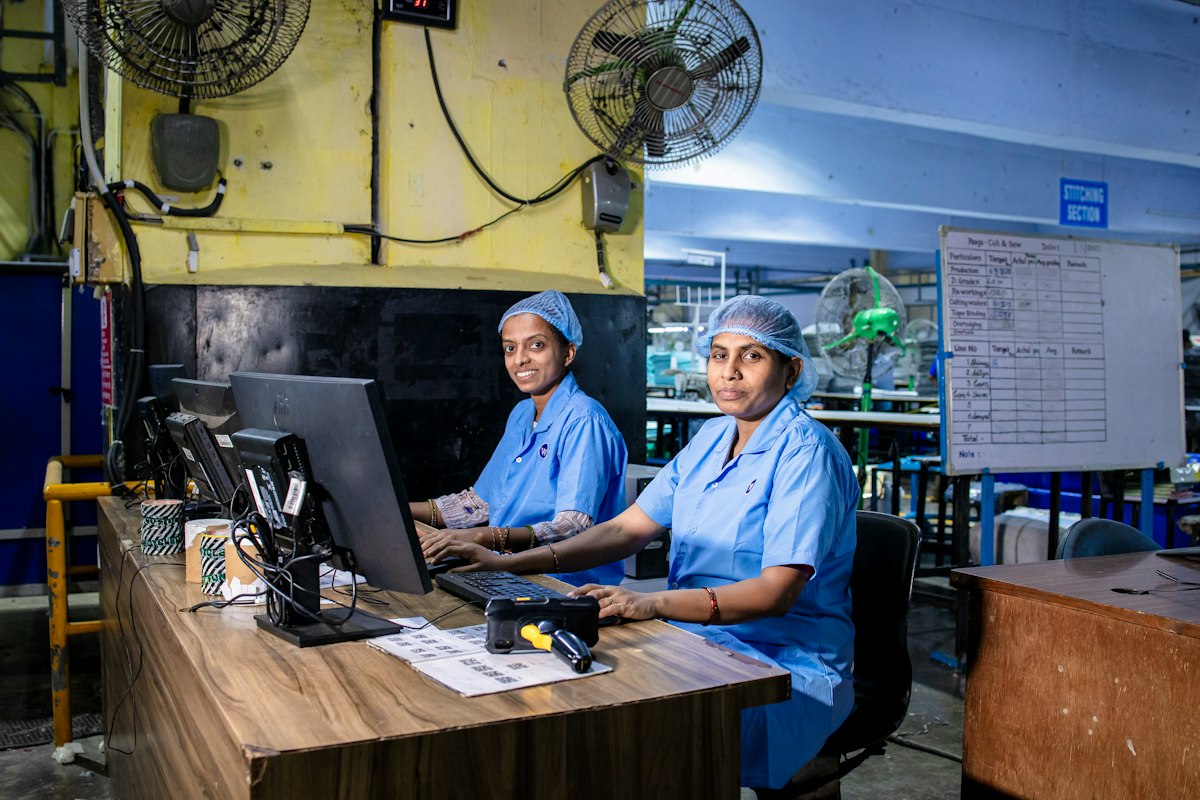
A Framework, Not a Unified Bloc
Southeast Asia appeals. Its draw for "China plus one" is undeniable. AFISS aims to bridge this gap. But it's no unified economic bloc. Walker clarified the framework won't establish ASEAN as a "unified production base or single investment destination," yet it holds potential for deepening regional integration and enhancing overall competitiveness in chips.
ASEAN's long-standing emphasis on national sovereignty and non-interference means any framework, no matter how well-intentioned, relies entirely on individual members acknowledging and implementing it. Chandra Putra, a Jakarta-based economist specializing in the region's semiconductor sector, described AFISS as a "fundamentally good idea" for harmonizing national agendas and creating a transparent regional ecosystem. Its feasibility is tricky. But he cautioned it's dependent on countries diverging from their national interests.
Coordination Beyond ASEAN
Regional coordination will advance. It's happening without explicit ASEAN guidance. Hans Vriens, co-founder and managing partner of government affairs consultancy Vriens & Partners, observed that different parts of the supply chain are present in various countries, meaning Southeast Asia already handles the entire supply chain. That's because its nations are complementary investment destinations. Singapore, for instance, leads in research and development. Malaysia and the Philippines handle assembly, testing, and packaging.
Arata Kuno, a professor of international economics at Asia University in Japan, stressed the importance of reducing cross-border costs for companies operating within ASEAN. This includes measures such as:
- Faster customs clearance
- Mutual recognition of technical standards and professional qualifications
- Easier movement of skilled workers
Kuno suggested the framework could succeed by creating a network that links members’ strengths and remains connected to global supply chains, rather than attempting to build a self-sufficient bloc. That’s his strategy. But he also cautioned: "Insisting on covering every stage of chipmaking within ASEAN could backfire and erode competitiveness." It’s risky. Japan’s past experience serves as a cautionary tale for the industry. Its chipmakers, once global leaders, saw their market share decline partly due to a vertically-integrated business model that struggled to adapt to shifting demand and rising investment costs.
Moving Up the Value Chain
Singapore leads regional semiconductors. It hosts major fabrication plants. Malaysia and the Philippines now aspire to follow this trajectory, aiming to move beyond their traditional specialization in back-end manufacturing. Malaysia initiated its National Semiconductor Strategy in 2024; it's focusing on front-end manufacturing and chip design. And Manila unveiled a roadmap in September with ambitious targets, planning to boost its annual chips and electronics exports to $110 billion by 2030 while shifting into higher-end operations.
Yet, widespread success is scarce. A $250 million deal between Malaysia and British chip designer Arm was intended to advance domestic chip manufacturing, but it's now under investigation by the country's anti-corruption agency. And a major talent crunch also poses a barrier. Reports on October 26 indicated that Vietnam’s first semiconductor plant, owned by Viettel, would likely miss its 2027 target for trial production because it lacks experience.
Despite these hurdles, moving up the value chain doesn't necessarily require building 'highly advanced front-end fabs,' which demand immense capital, reliable utilities, and a highly skilled workforce, Kuno explained. He identified advanced packaging as the most promising avenue. It's become increasingly central to AI chip performance. The notion that back-end activities are uniformly low value-added isn't accurate anymore; advanced packaging commands significantly higher margins than conventional assembly and testing. Piriya emphasized the region's core advantage isn't replicating Taiwan or South Korea, but its role as a connector across global supply chains. Southeast Asia combines scale, manufacturing experience, strategic geography, and a diverse set of investment destinations. It doesn't require advanced fabrication capabilities.
Beyond Foreign Investment
It's just the start. Protecting the region's global chip market share. Andrew Chan Yik Hong said this, the former founding executive director of the Malaysia Semiconductor Industry Association. Multinational corporations, like Micron and Intel, have expanded their presence over decades, bringing investment, technology, and training to the region. But it's not enough. The larger ambition is cultivating stronger Southeast Asian companies, with their own technology and broader reach.
Frequently Asked Questions
What is Southeast Asia's main ambition regarding the chip industry?
Southeast Asia's greater aspiration is to forge a single, integrated supply chain for chips. This vision is gaining momentum as geopolitical tensions threaten to divide the global semiconductor sector.
What initiative did ASEAN launch to support the integrated chip hub ambition?
ASEAN launched the ASEAN Framework for an Integrated Semiconductor Supply Chain (AFISS) in 2025. This initiative aims for each member country to develop a specialized, complementary role to advance the region's position in the chip value chain.
Why are companies diversifying their manufacturing footprints to Southeast Asia?
Companies are diversifying to manage exposure to U.S.-China tensions and build greater resilience in their supply chains. This diversification is fueled by a substantial investment boom in the region.
How does Southeast Asia currently function within the global semiconductor supply chain?
Southeast Asia currently handles different parts of the supply chain across various countries, making them complementary investment destinations. For example, Singapore leads in research and development, while Malaysia and the Philippines focus on assembly, testing, and packaging.
What challenges does Southeast Asia face in moving up the chip value chain?
A major challenge is a talent crunch, with some companies missing production targets due to a lack of experience. While advanced packaging is a promising avenue, building highly advanced front-end fabs requires immense capital, reliable utilities, and a skilled workforce, which poses a barrier.

Julian Sterling reports on enterprise IT, data infrastructure and the vendors that keep modern business running. He has a long-standing interest in how organisations modernise their systems without breaking what already works.
💬 Comments (0)
No comments yet. Be the first!