Waymo Doubles Lobbying Spend in Robotaxi Battle with Uber
Waymo doubled its lobbying spending to over $1M in Q2, intensifying the robotaxi battle with Uber, filings show.
Waymo’s latest disclosure shows spending between April and June that was more than double its outlay from the same period a year earlier, putting it neck-and-neck with Uber and far ahead of rivals like Amazon's Zoox and Tesla. It's a hefty price tag. The Alphabet-owned company shelled out more than $1 million in a single quarter as it pushes federal regulators to greenlight fully driverless services, and that lobbying spend has doubled in the battle for robotaxi supremacy. But the fight is just heating up. So don't expect Waymo to slow down now.
The numbers tell a story of escalating warfare. Waymo's first-half lobbying total hit slightly more than $2 million, a 93 percent jump from the prior year. The company has been calling for a federal framework to ease robotaxi deployment, and in May it added law firm Greenberg Traurig to its roster of Washington influence shops.
Two Visions, One Road
The spending surge boils down to one thing: a fundamental fight over how autonomous vehicles should hit the streets. Waymo wants the fast lane, full driverless commercial service with no humans in the loop at all. But Uber's pushing a staggered approach, one where robotaxis share the road with human drivers in what it calls hybrid networks, a model it insists will be safer and more practical in the messy, unpredictable reality of urban traffic. So who's right? We can't know yet. That's the bet.
These competing legislative strategies have turned a once-promising partnership sour. Waymo has been exploring an exit from its Uber partnership in Austin and Atlanta, where the ride-hailing giant currently operates its services. The relationship, it seems, is headed for divorce court.
"They've both stepped up lobbying and are pushing up against each other, which now appears to be hastening their divorce," said Walter Piecyk, an analyst at LightShed Partners.
The State-by-State Trench Warfare
They're fighting on multiple fronts. The battlegrounds are state capitols across the country, where the pushback has stalled their expansion into major markets like New York and Chicago, and that's no accident. Politicians and labor groups warn the technology could displace drivers and undercut existing services. So the fight isn't over. It's just getting started.
Waymo has outspent both Uber and Zoox in District of Columbia lobbying. That's a bold bet. The company pressed local legislators to green-light robotaxi services in the nation's capital, and earlier this year it even invited residents to write letters of support, a move that turns everyday voices into political ammunition. But the prize is huge. It's a foothold in a major urban market, and that's worth every penny spent on influence.
New York's Cold Shoulder
New York state tells a more complicated story. Waymo has poured more than half a million dollars into lobbying there so far this year, more than double what Uber has spent. The push comes after Governor Kathy Hochul walked back proposals that would have allowed autonomous vehicle companies to operate across most of the state.
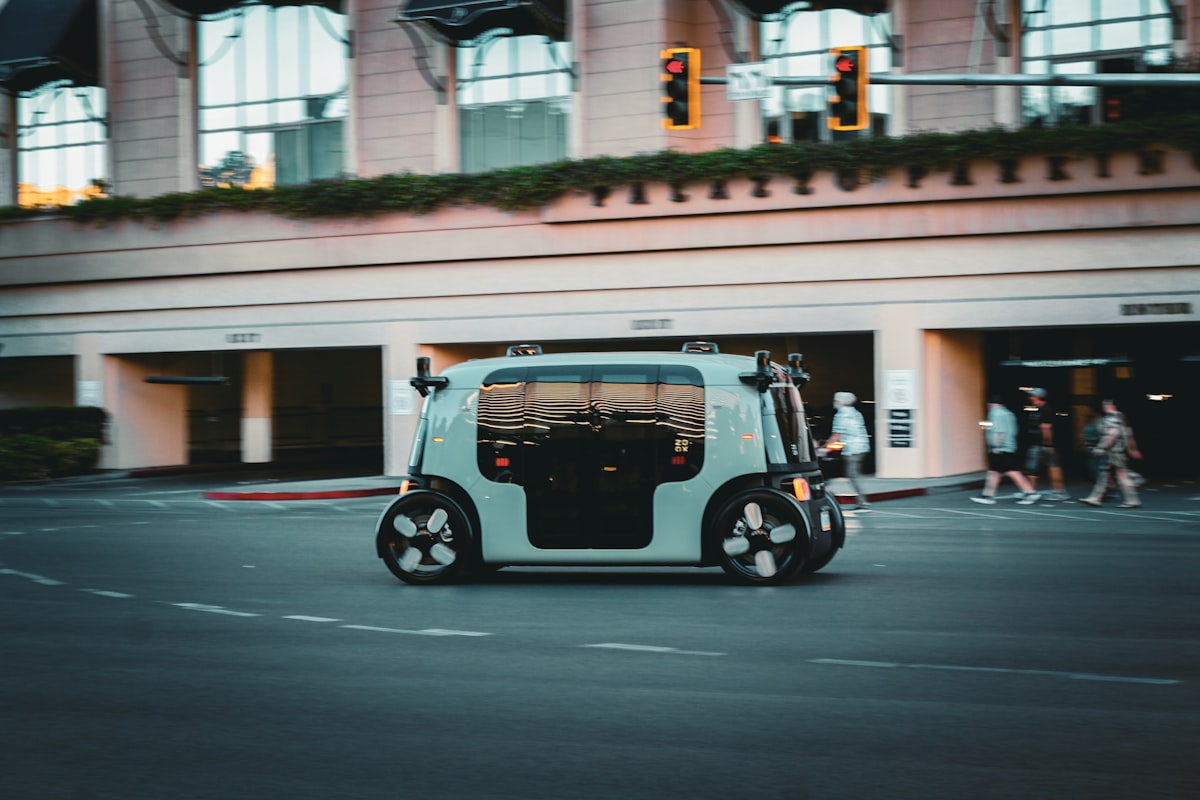
Waymo didn't just rely on lobbyists. The company offered to set up a $20 million fund to support drivers affected by the technology's deployment, according to people familiar with the matter. It's a concession designed to soften opposition, but whether it will be enough remains an open question.
Waymo has engaged lawmakers in New Jersey over a three-year pilot program to test deployments. It's a careful play. The company says it's advocating for autonomous vehicle rollout, and it insists it's not pursuing measures that would limit competitors or "prescribe" how the technology is deployed. So that's the line. But the details matter.
Uber's Comeback Play
Uber, meanwhile, is trying to make up for lost time. After abandoning its in-house self-driving effort in 2020, the ride-hailing group has committed more than $10 billion over the past year through equity stakes and robotaxi fleet agreements. It's a massive bet, and the company is playing defense on the legislative front.
Uber has warned several Democratic-led states against a carte blanche rollout. Instead, it's lobbying for hybrid networks that route rides to both human drivers and autonomous vehicles. In New Jersey, Uber lobbyists have proposed that any platform offering robotaxi services also use human drivers for at least 85 percent of all rides during the three-year pilot program.
- Waymo's Q2 lobbying: over $1 million, double year-over-year
- First half 2026 total: slightly over $2 million, up 93 percent
- New York state lobbying: over $500,000, more than double Uber
- Uber's AV commitment: over $10 billion in the past year
Critics see Uber's approach as regulatory capture, a way to keep rides flowing through its platform as competition heats up. The company rejects that framing. "Anti-AV or seeking to slow AV deployment" is false, Uber says, arguing that hybrid networks "get the technology to consumers sooner while giving policymakers a practical framework to manage the transition."
The real fight isn't about technology at all. It's about who controls the road, and more importantly, who controls the revenue that comes with it. Waymo's driverless vision cuts Uber out of the equation entirely. Uber's hybrid model keeps its platform central to the experience.
The stakes couldn't be higher. Robotaxis represent the next major shift in urban transportation, a market worth billions. Both companies know that the regulatory framework established now will shape the industry for decades. That's why they're spending like never before.
Waymo's statement tries to position the company as the reasonable actor, advocating for autonomous vehicle rollout without trying to box in competitors. Uber counters with a pragmatic message about managing the transition. But the truth is stark. Both are fighting for survival in a market where only one vision can ultimately prevail, and that reality hangs over every carefully crafted press release and public comment they make. It's a battle for the road ahead.
For now, the lobbyists are winning. Whether their clients will is another matter entirely.
Frequently Asked Questions
What was the key finding regarding Waymo's lobbying spending in Q2?
Waymo's Q2 lobbying spending was over $1 million, which was double its outlay from the same period a year earlier. This put it neck-and-neck with Uber and far ahead of rivals like Amazon's Zoox and Tesla.
Why did Waymo increase its lobbying spend according to the article?
Waymo increased its lobbying spend to push federal regulators to greenlight fully driverless services. The company is advocating for a federal framework to ease robotaxi deployment, and it wants full driverless commercial service with no humans in the loop.
How does Waymo's vision for autonomous vehicles differ from Uber's?
Waymo wants full driverless commercial service with no humans in the loop at all, while Uber is pushing a staggered approach with hybrid networks where robotaxis share the road with human drivers. Uber believes its model will be safer and more practical in the messy reality of urban traffic.
Who is Walter Piecyk and what does he say about Waymo and Uber?
Walter Piecyk is an analyst at LightShed Partners. He said that both Waymo and Uber have stepped up lobbying and are pushing against each other, which appears to be hastening their divorce, referring to the souring of their partnership in Austin and Atlanta.
In which states has Waymo engaged in lobbying efforts, and what specific actions did it take?
Waymo has engaged in lobbying in the District of Columbia, New York, and New Jersey. In D.C., it pressed legislators to greenlight robotaxi services and invited residents to write letters of support. In New York, it offered to set up a $20 million fund to support affected drivers, and in New Jersey, it engaged lawmakers over a three-year pilot program.
Elena Vance reports on artificial intelligence, from frontier research labs to the products reshaping everyday work. She focuses on how machine learning is moving out of the lab and into the real world, and what that shift means for readers.
💬 Comments (0)
No comments yet. Be the first!