Amazon Trashing Rare Books to Train AI: Hidden Airtag Proof
A bookseller's hidden Airtag tracked bulk rare book orders to an Amazon AI training facility, confirming destructive scanning.
Amazon trashing rare books to train AI
caught by hidden tracker
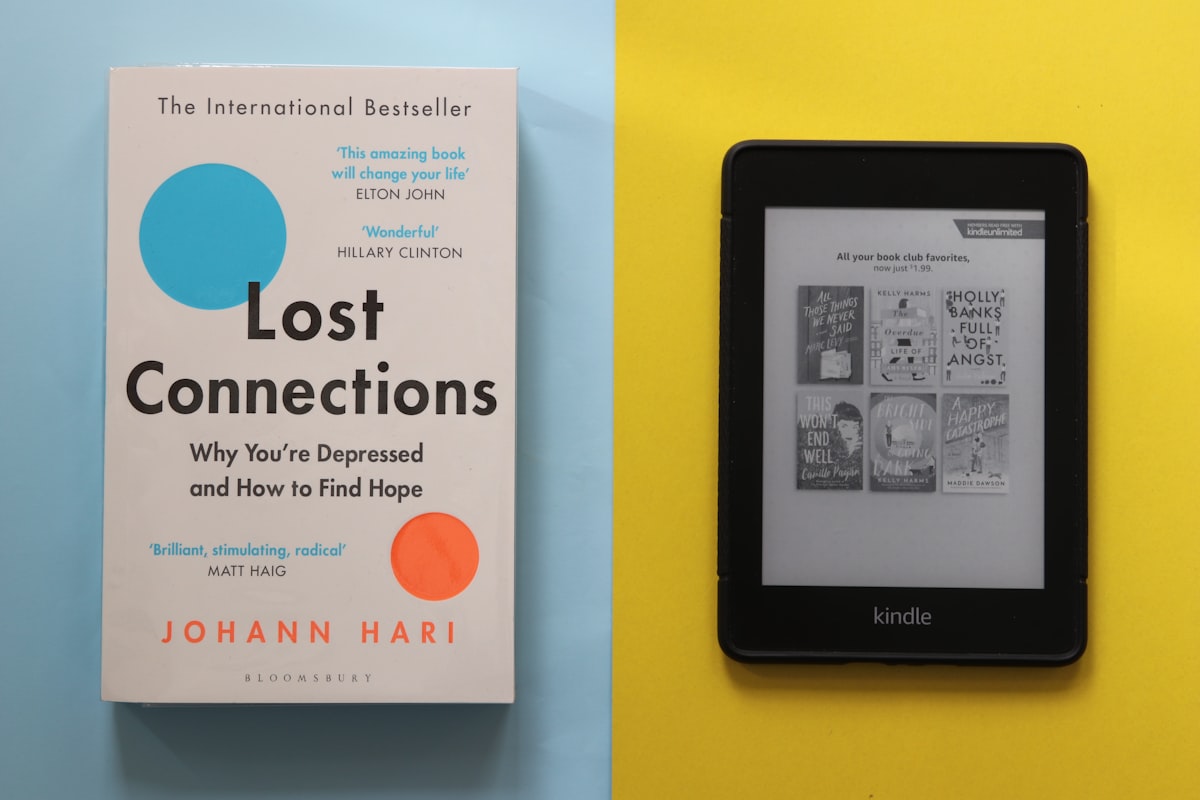
Amazon trashing rare books to train AI is no longer just a theory. It's real. A bookseller hid an Airtag inside a rare book that was part of a bulk order, and the tracking device led straight to an Amazon AI training facility in Las Vegas. But the location housed a team whose job involved tearing books from their spines and scanning every page, according to reporting from 404 Media published Monday. That's brutal.
The warehouse, designated VGT3, even had a logo on the door showing a Tyrannosaurus rex preparing to devour a book. The imagery felt especially tone-deaf given the growing backlash against destructive book scanning. For over a year, booksellers had suspected AI firms were buying up large lots of rare books, scanning them, and then destroying them. Now they have proof.
How the sting operation worked
The bookseller who planted the Airtag agreed to cooperate with 404 Media's investigation. That's a big deal. The tracker was placed inside a rare book that was part of a bulk order, and once the package moved, the seller could follow its journey in real time, watching every step of the way. So the trail ended at Amazon's Las Vegas facility. Workers there were actively scanning books to feed the company's AI models, and they didn't even know they were being watched. It's a stark reminder of how far surveillance can go.
Amazon had no comment on the specific findings. The company issued a brief statement saying it "purchases books through commercial channels to help develop and improve the products and services our customers use." The statement did not mention AI training. But Amazon is developing what it considers frontier AI models, and those models require massive amounts of unique training data to stay competitive.
Google, OpenAI, and Anthropic all guard their training data carefully. Amazon needs an edge. Scanning rare books that are difficult to find anywhere else would seem to offer one, especially since rivals like Anthropic and xAI have publicly stated they are not training on rare or antique books.
Running low on books
Workers at the VGT3 facility posted online about their struggles to keep the scanning operation running. It got bleak. Earlier this year, Amazon apparently ran low on books to scan, and the shortage grew so severe that employees feared the warehouse might shut down entirely, a prospect that hung over every shift like a storm cloud. Then the supply completely ran out. And that's when things really fell apart.
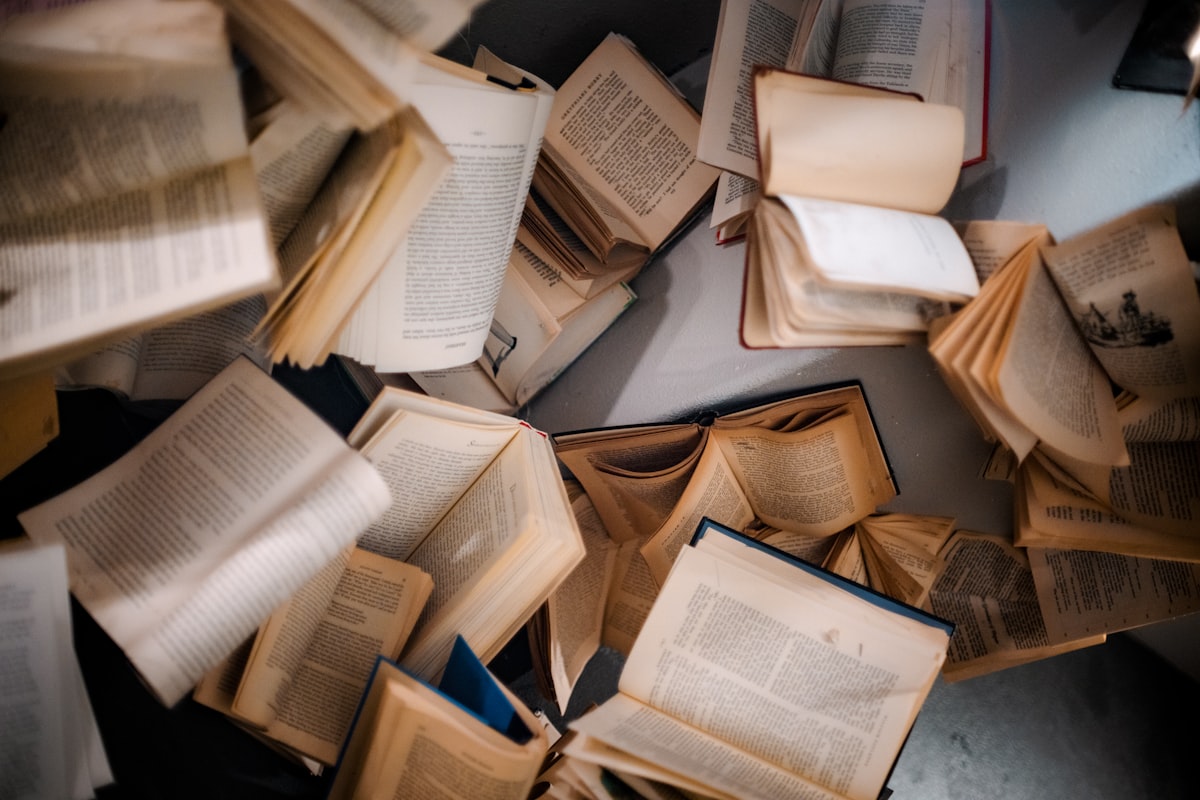
Yet the facility remains operational. And it's now confirmed that bulk orders of rare books delivered there are systematically destroyed.
Book lovers have slammed the practice. One prominent critic, Michael Burry, reportedly called destructive book-scanning "evil incarnate." But the workers themselves see it differently, describing the gig in forums as a "nice" opportunity for people who want a humdrum job with flexible hours, and that's a perspective we can't simply dismiss. They're the ones doing the work. It's their call.
The ISBN theory gains ground
The investigation also helped firm up another theory that booksellers had been kicking around. It's a simple one. After a reportedly historic year of sales, many suspected AI firms were targeting books with ISBN numbers specifically because they needed a reliable way to guarantee the highest possible volume of unique works ended up in their training datasets, and that meant grabbing everything with a registered number. So the goal, they believed, was sheer quantity. They can't afford to miss a single title.
404 Media's review of worker discussions online supported that idea. Workers were trained to scan barcodes or ISBNs before scanning the books themselves. That practice, 404 Media noted, "gives further credence" to the theory that AI companies are methodically working through the global list of ISBNs to scan every printed book in the world.
For booksellers, the dilemma is sharp. The money from these bulk orders can be good. But the risk that carefully sourced collections will be destined for destructive book scanning is hard to ignore.
"They just want the content as a bunch of words strung together."
The bookseller who planted the AirTag made that point directly. They're not assessing the historical, intellectual, or sentimental value of these works at all; instead, AI firms are checking off ISBNs on a list, hunting for low-cost unique texts to complete their training data. So it's a numbers game. And they can't see the stories, only the gaps in their catalog.
Not your prized first editions
Don't picture the kind of celebrated first editions that fetch huge sums at auction,actually, scratch that, you can picture them, but that's not what's being targeted. It's the older books, the ones with lower monetary value, that AI firms are quietly scooping up. Think books never translated from a language that's not widely used today. Or books that were never popular enough to be widely distributed in the first place. They're the forgotten ones. And that's precisely the point.
But these works can still hold real value. Don't overlook them. As one Redditor noted, these books might contain details about daily life from centuries ago that no other source preserves, and that's a kind of record you simply can't find anywhere else. The bookseller told 404 Media these works may hold "historical value, intellectual value, sentimental value" that the AI companies simply overlook. So that's a loss we can't afford to ignore.
Reddit debates the destruction
Reddit's book fans are locked in a heated argument about whether this is even a problem. It's a real fight. But as the BBC reported, many of these titles have sat on shelves for decades gathering dust, and that's a long time for any story to wait for a reader who might never come. You weren't going to buy that old paper book, they wrote. So don't pretend otherwise.
But others pushed back hard. One poster lamented that "an obscure book from 1700 is now a museum piece and may reveal day-to-day stuff that we didn't know." The real problem, they argued, is that AI firms will never share the contents of the books they scan. They won't want anyone else training on the same works.
This sounds like propaganda from the AI haters," one Redditor countered. But another commenter shared the original poster's fears, and they suggested that AI models would only make available "warped, censored, and paywalled fragments of ideas" from these forgotten works. It's a chilling thought. We can't trust the machines to preserve what we've lost.
Someone else on the thread summed it up: "Even if you love the technology, you can admit that the concept of an AI literally eating books to become more powerful is pretty dystopian."
Not every book needs saving
Some booksellers agree that not every text is worth preserving. But Scottish bookseller Derek Walker told the BBC that AI firms should distinguish between works that won't be missed and those that are truly irreplaceable. It's a fine line. And they can't just lump everything together, because a forgotten manual from 1982 might hold a key detail, while a beloved novel's loss would sting for generations, and Walker insists these firms must weigh each title's fate with care. So they should.
A rare academic text that happens to be obscure is one thing. But a lesser-known antique work, potentially "the only known surviving example of an edition," is quite another,no, that's a different beast entirely, one that carries weight far beyond mere scarcity. Walker said it would be a far bigger issue if a copy like that, which had lasted this long, were bought to be destroyed. It's a chilling thought. And we can't ignore the finality of that act.
For now, AI firms seem unlikely to open a dialogue with booksellers. They guard their training data carefully and often use services that mask their identities as buyers. Allowing booksellers to weigh in on which works get scanned would require a level of transparency that may feel riskier than taking a reputation hit if it's ever proven that a treasured first edition was destroyed in the name of advancing AI.
The Airtag proved what many suspected. The question now is whether anyone will stop it.
Frequently Asked Questions
What did the hidden Airtag reveal about Amazon's book scanning operation?
The hidden Airtag, planted by a bookseller in a rare book that was part of a bulk order, led to Amazon's AI training facility in Las Vegas. At this facility, designated VGT3, workers were tearing books from their spines and scanning every page to feed Amazon's AI models.
How did the bookseller track the rare book's journey to Amazon's facility?
The bookseller cooperated with 404 Media's investigation and planted an Airtag inside a rare book that was part of a bulk order. Once the package moved, the seller could follow its journey in real time, watching every step of the way until it arrived at Amazon's Las Vegas facility.
What did workers at the VGT3 facility post online about their struggles to keep the scanning operation running?
Workers at VGT3 posted online about their struggles, including running low on books to scan earlier this year. The shortage grew so severe that employees feared the warehouse might shut down entirely, and at one point the supply completely ran out, yet the facility remained operational.
How does the ISBN theory relate to Amazon's book scanning practices?
The ISBN theory suggests that AI firms target books with ISBN numbers because they need a reliable way to guarantee the highest possible volume of unique works for training datasets. Workers were trained to scan barcodes or ISBNs before scanning the books, giving further credence to the idea that they are methodically working through the global list of ISBNs.
Why do some booksellers and critics object to Amazon's destructive book scanning?
Critics, including Michael Burry, have called destructive book-scanning 'evil incarnate.' Booksellers and Redditors argue that these books may hold historical, intellectual, or sentimental value that AI companies overlook, and that some obscure works contain details about daily life from centuries ago that no other source preserves.

Elena Vance reports on artificial intelligence, from frontier research labs to the products reshaping everyday work. She focuses on how machine learning is moving out of the lab and into the real world, and what that shift means for readers.
💬 Comments (0)
No comments yet. Be the first!