OpenAI Jalapeño Chip Strategy to Cut Costs
OpenAI Jalapeño chip development marks a transition toward vertical integration to optimize LLM inference and infrastructure.

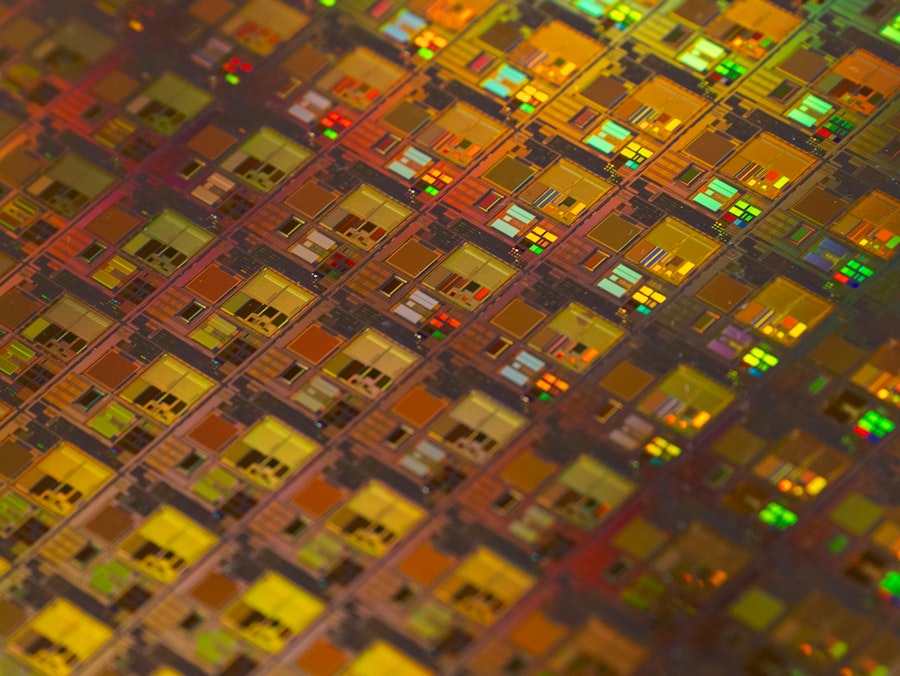
OpenAI's Jalapeño chip development marks a shift in infrastructure management. It's a direct response to the heavy capital expenditure currently required to maintain service levels for millions of users, and the company aims to move away from general-purpose hardware by building a model optimized specifically for large language model inference.
The Economics of Inference
The financial reality is stark. Operating at scale with project costs for keeping servers responsive expected to reach fourteen billion dollars this year creates immediate pressure to improve hardware efficiency. But the company's margins are thin. They retain about thirty-three cents of profit for every dollar earned, so reducing dependency on third-party processors with their high profit margins is a logical step to protect long-term financial health.
- Operational costs for server maintenance are projected to reach 14 billion dollars this year.
- The platform currently supports 900 million weekly users.
- Total commitments for computing power over the next eight years reach 1.4 trillion dollars.
- The new silicon design reached tape-out in nine months.
Designing for Specific Workloads
General-purpose chips just can't keep up. They struggle with the specific bottlenecks of data movement that are common in interactive model serving, so the new hardware architecture seeks to minimize this movement to keep utilization close to theoretical peak performance. But it's a balanced design. It focuses on compute, memory, and networking resources, integrating specialized networking silicon directly into the processor structure to enable communication across large, clustered data center environments.
Jalapeño is part of our long-term full-stack infrastructure strategy. We want to make compute more abundant. By designing more of the stack ourselves, we can serve more intelligence with greater efficiency, and that's a critical advantage for everything we're building. So Greg Brockman, President and Co-founder of OpenAI, stands behind this vision. It's a big bet.
Vertical Integration Strategy
This shift in strategy moves the company from being a software layer to a vertically integrated entity. It now wants total control. The goal is to control the entire pipeline, from chip architecture and software kernels to network scheduling, so it can pair proprietary hardware with its own serving systems and tailor the physical infrastructure to its specific model roadmaps. But this creates a flywheel effect. Improved efficiency lowers costs, which allows for more responsive products, ultimately driving the user volume needed to fund future hardware iterations.
Closing the Hardware Gap
The competitive environment is already populated by organizations that have spent a decade building their own hardware. Catch up fast. So the development timeline was accelerated significantly, and the engineering team used its own language models to automate and refine the design process, which creates a unique feedback loop where the models themselves contribute to the design of the next generation of hardware.
Future Deployment Plans
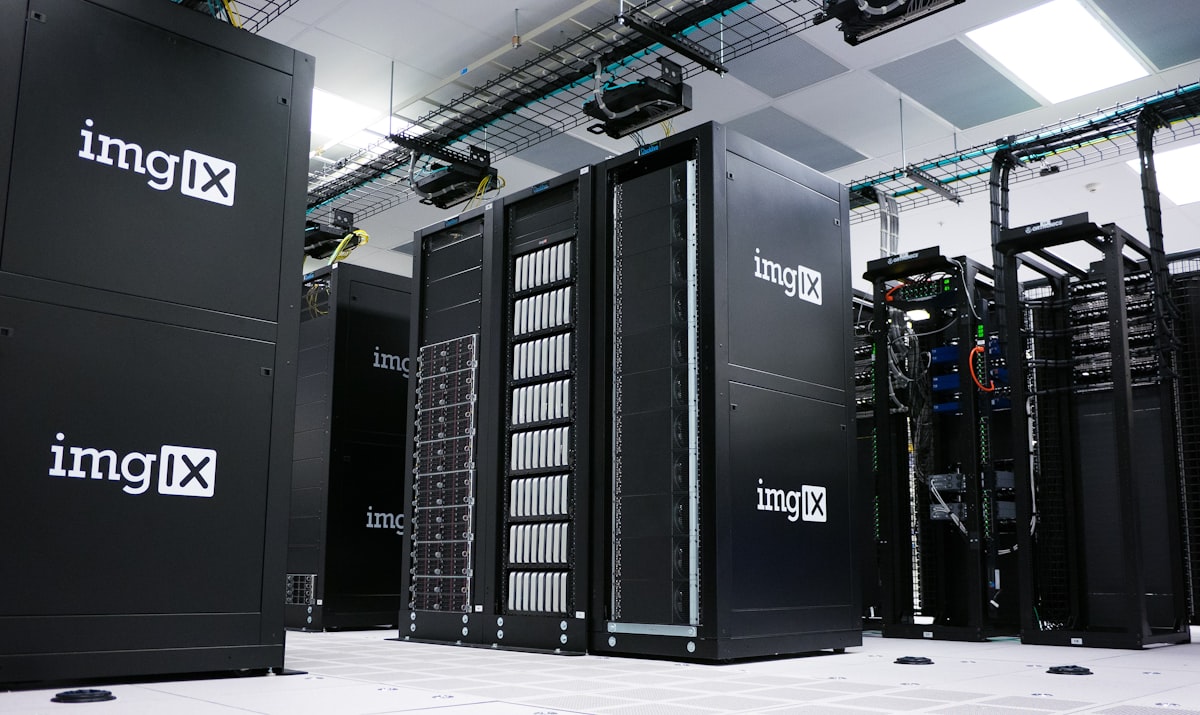
The hardware is already being tested in lab settings. It's real. Early samples are running frontier workloads, such as an unreleased model, at target production frequencies, and deployment into data centers is scheduled to begin by the end of 2026. But future rollouts will occur alongside infrastructure partners to prepare for gigawatt-scale data center integration.
Frequently Asked Questions
What is OpenAI's Jalapeño chip designed to address?
The Jalapeño chip is a direct response to the heavy capital expenditure required to maintain service levels for millions of users. It aims to move away from general-purpose hardware by building a model optimized specifically for large language model inference.
Why does OpenAI need to reduce dependency on third-party processors?
OpenAI's margins are thin, as they retain about thirty-three cents of profit for every dollar earned. Reducing dependency on third-party processors, which have high profit margins, is a logical step to protect long-term financial health.
How does the Jalapeño chip architecture improve efficiency?
The new hardware architecture seeks to minimize data movement, which is a common bottleneck in interactive model serving, to keep utilization close to theoretical peak performance. It integrates specialized networking silicon directly into the processor structure to enable communication across large, clustered data center environments.
When is the Jalapeño chip scheduled to be deployed into data centers?
Deployment into data centers is scheduled to begin by the end of 2026. Early samples are already running frontier workloads at target production frequencies in lab settings.
Who is behind the vision of the Jalapeño chip strategy?
Greg Brockman, President and Co-founder of OpenAI, stands behind this vision. He views the chip as part of a long-term full-stack infrastructure strategy to make compute more abundant.

Marcus Thorne covers the fast-moving field of artificial intelligence, with a particular interest in large language models, automation and the companies driving the technology forward. He aims to cut through the hype and explain what these systems can and cannot do.
💬 Comments (0)
No comments yet. Be the first!