Anthropic $1.5B Copyright Settlement Approved
A judge has approved a $1.5 billion settlement between Anthropic and authors, with 350 class members opting out.
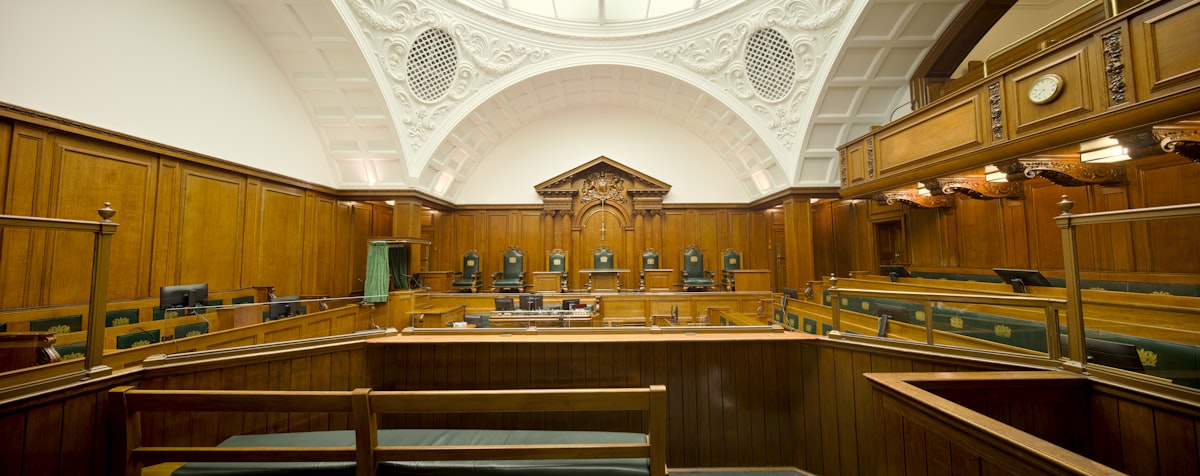
Anthropic $1.5B copyright settlement approved in federal court
Anthropic $1.5B copyright settlement approval was finalized on Monday, marking the end of the largest copyright class action ever certified. US District Judge Araceli Martinez-Olguin issued the order, effectively closing a high-stakes legal battle that centered on how artificial intelligence systems ingest and process protected creative works. The decision secures the biggest copyright settlement ever recorded in this sector.
The mechanics of the agreement
The path to this outcome began after the court previously determined that training AI models on books qualified as fair use, though it drew a sharp line regarding the piracy of works. Following that determination, a settlement fund was established to compensate authors. The judge noted that approximately 95 percent of the class members received official notification of the plan. It's a high participation rate. So 91 percent of the impacted authors and publishers filed claims for their portion of the payout.
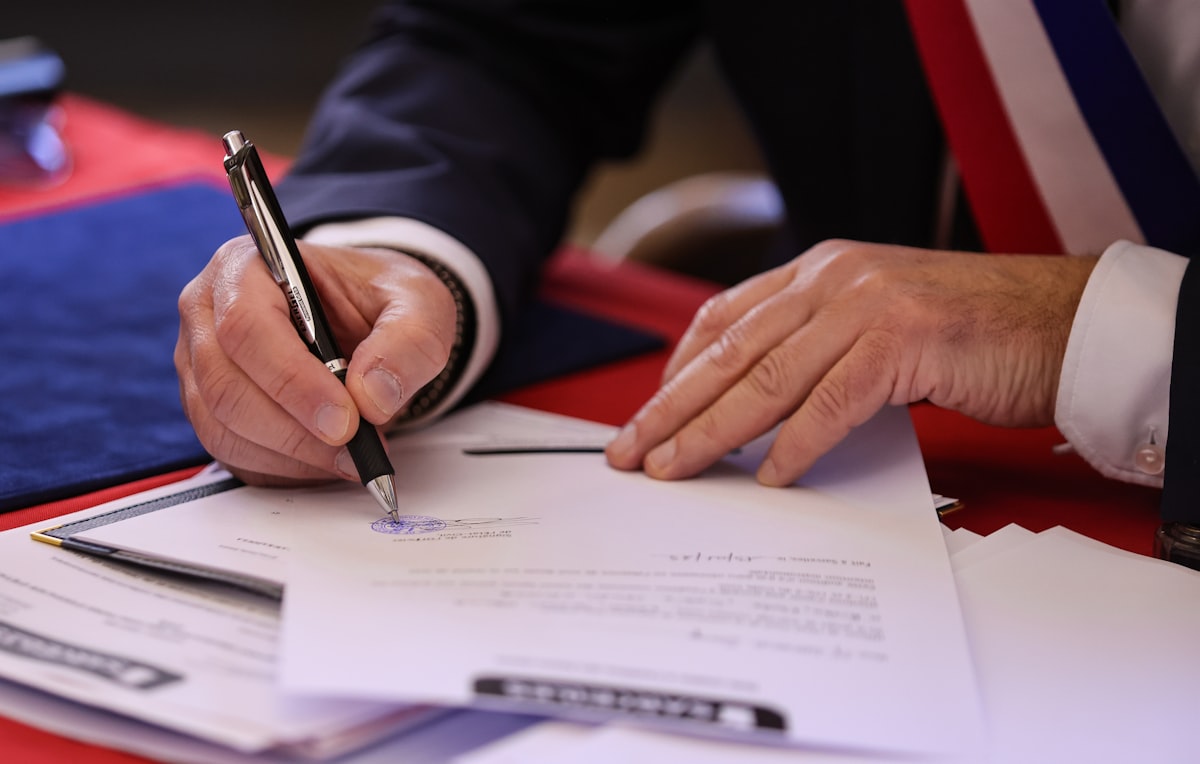
So the total fund reaches $1.5 billion. But Martinez-Olguin highlighted that this figure stands at four times the minimum statutory damages typically seen in such cases, with each work's distribution estimated at a modest $3,000. It's a staggering sum, yet it's not.
Adjusting the legal fees
The hearing centered on compensation. Legal teams initially requested 20 percent of the settlement, which would have totaled $300 million, but that was later adjusted downward to 12.5 percent, or roughly $187 million. The judge found even that too high.
The court ordered a post-distribution accounting process. This ensures transparency, but if the actual costs incurred by the lawyers turn out to be lower than the allocated fees, the court maintains the authority to reduce those payments even further. So lead plaintiffs saw their own service awards slashed. It's a big cut,from a requested $50,000 down to just $15,000. The court cited a lack of evidence regarding potential retaliation against the authors.
Objections and the opt-out process
Not everyone agreed. A small group tried to block the finalization, arguing that the per-work payout was insufficient and that legal fees remained inflated, but the court overruled these objections and found them to be without merit. Only 350 members opted out. So they're out of the settlement entirely.
- Total settlement fund: $1.5 billion.
- Estimated payout: Approximately $3,000 per work.
- Class members who opted out: 350.
- Approved legal fee cap: Roughly $101 million.
The battle over late requests
Anthropic actively fought late exit requests. They argued that allowing them would create undue delays and undermine the finality of the settlement, so the company took a firm stand against such moves. Entertainment lawyer Donald Passman sought to opt out three months past the deadline. The court rejected his request. It was inexcusably late, and he'd received notice at his current address.
The court granted only two late opt-out requests. But these exceptions were made for individuals who demonstrated excusable neglect, including one author who suffered a stroke and another who didn't receive the notice and lacked a Spanish translation of the documents.
"This brings us one step closer to real accountability for Anthropic and puts all AI companies on notice they can't shortcut the law or override creators' rights." - Lead plaintiffs, in a statement to Reuters.
Looking toward the future
Some authors won't stop at the initial $3,000 estimate. But if any funds remain after all valid claims are satisfied, the parties involved anticipate a redistribution of the balance, provided it remains economically feasible to do so. The conclusion lets the company move past litigation.
Aparna Sridhar, deputy general counsel for Anthropic, stated that the organization is pleased to see a high rate of claims filing. They're happy. The company remains focused on the landmark ruling that established their training methods as fair use, but now both the legal teams and the class members prepare to close this chapter of copyright history as the distribution begins.
Frequently Asked Questions
What is the total amount of the copyright settlement approved in the Anthropic case?
The total settlement fund is $1.5 billion. The judge noted that this figure is four times the minimum statutory damages typically seen in such cases.
Why did the court reduce the legal fees requested by the plaintiffs' attorneys?
The court found the requested 12.5% fee, roughly $187 million, too high and capped fees at less than 7% of the fund, totaling approximately $101 million. The court also ordered a post-distribution accounting to ensure transparency and may reduce payments further if actual costs are lower.
How many class members opted out of the settlement, and why were some late opt-out requests granted?
Only 350 members opted out of the settlement entirely. The court granted only two late opt-out requests, for individuals who demonstrated excusable neglect—one author who suffered a stroke and another who did not receive notice and lacked a Spanish translation.
When was the settlement approved, and what was the estimated payout per work?
The settlement was approved on Monday by US District Judge Araceli Martinez-Olguin. The estimated payout is approximately $3,000 per work.
Who expressed satisfaction with the high rate of claims filing, and what did the lead plaintiffs say about accountability?
Aparna Sridhar, deputy general counsel for Anthropic, stated the organization is pleased to see a high rate of claims filing. Lead plaintiffs said in a statement that the settlement brings them one step closer to real accountability for Anthropic and puts all AI companies on notice.
Elena Vance reports on artificial intelligence, from frontier research labs to the products reshaping everyday work. She focuses on how machine learning is moving out of the lab and into the real world, and what that shift means for readers.
💬 Comments (0)
No comments yet. Be the first!