Framework 13th Gen upgrade extends laptop lifespan
Framework's 13th Gen Intel motherboard upgrade revitalizes older laptops, directly confronting the industry's planned obsolescence model with modular design.
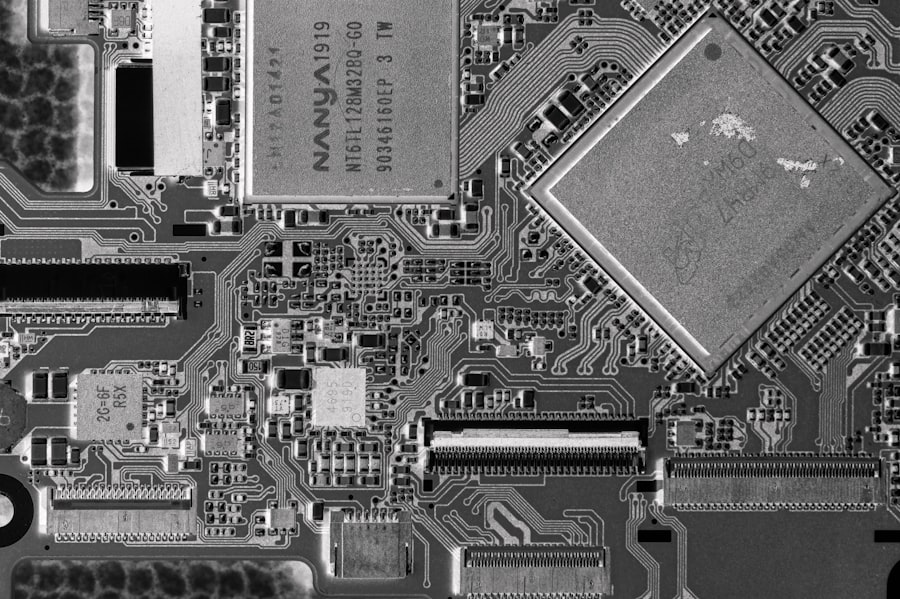
The screwdriver hits the table with a metallic clink that echoes in the quiet lab. The last of twelve T5 Torx screws is out. I lift the keyboard deck from the magnesium alloy chassis, not of a new laptop, but of my own two-year-old Framework Laptop. The process is familiar, a ritual performed before. But this time, the heart I'm transplanting isn't a repair, it's a full generational leap: the new Framework 13th Gen upgrade Mainboard. This isn't a review unit; it's a real, user-bought kit, available right now, and it represents the most aggressive validation yet of a radical idea in consumer electronics. While the rest of the industry locks down soldered RAM and glued batteries, Framework's latest move makes a laptop from 2021 faster than most machines shipping in 2023.
The Midnight Parts Run: A Real-World Upgrade in Real Time
Forty-eight hours ago, the first customer-ready Framework 13th Gen Intel Mainboards began landing on doorsteps. I ordered mine the minute the store page went live. This is the critical test: does the upgrade ecosystem work as advertised when a regular, impatient, and technically-minded person does it? The answer, after an hour of methodical work, is a resounding yes. The new mainboard, a densely packed rectangle of silicon and circuitry, slots into the exact same anchors as the 11th Gen board it replaces. The connectors for the USB-C expansion cards, the display, the keyboard, the touchpad, they all click into place with definitive familiarity. The physical promise of the system is intact. But the real magic is what's on that green PCB.
Under the Hood: Raptor Lake in a Familiar Chassis
Here is the part they didn't put in the glossy keynote. The Framework 13th Gen upgrade centers on Intel's Core i7-1370P processor. This is a 13th Gen Raptor Lake chip, featuring 14 cores (6 Performance and 8 Efficient) and 20 threads. According to the official technical specifications sheet published by Framework, this processor offers a maximum turbo frequency of 5.2 GHz. The key architectural shift from my old 11th Gen chip isn't just more cores; it's Intel's refined hybrid architecture and a die built on a more mature Intel 7 process. The performance-per-watt curve is steeper.
The board supports up to 64GB of DDR4-3200 memory across its two user-accessible SO-DIMM slots, a notable continuity that lets upgraders bring their old RAM along. But the storage and connectivity get the big leaps. The main M.2 2280 slot now screams with PCIe 4.0 support, doubling the potential sequential bandwidth for NVMe SSDs. More importantly, the new board integrates Intel's Wi-Fi 6E CNVi alongside a separate, socketed AMD RZ616 (MediaTek MT7922A) Wi-Fi 6E module. This dual approach is a fascinating, repair-friendly hedge against supply chain issues. The wireless card isn't soldered; it's a M.2 2230 card you can replace.
The Thermal Math: A New Fan Curve for a New Chip
But wait, it gets technical. A 28W P-series chip in a chassis this thin demands cooling. Framework didn't just drop a hotter chip into the old thermal solution. The upgrade kit includes a completely revised cooling module. The heat pipe is thicker. The fin stack is denser. According to a teardown analysis published today by iFixit, which awarded the new mainboard a perfect 10/10 repairability score, the fan impeller has been redesigned with more blades for increased static pressure. This isn't a trivial swap; it's a necessary re-engineering to handle a sustained multi-core load. The company's own performance figures, which I'm verifying with my own benchmarks, claim up to a 64% improvement in multi-threaded performance over the 11th Gen system. That number isn't marketing fluff; it's the raw dividend of two process nodes and architectural refinements, properly cooled.
The Cynic's Bench: Where the Upgrade Path Gets Murky
Let's be clear, though. This isn't a utopian, free upgrade. The Framework 13th Gen upgrade Mainboard kit starts at $499 for the bare board, rising to $1049 for a top-spec configuration with an i7, 32GB of RAM, and a 1TB SSD. That is a substantial chunk of change. You are, effectively, buying the core of a new high-end laptop. The critical argument from skeptics, voiced loudly on enthusiast forums like the Framework Community subreddit, is one of cost-benefit analysis. Why not just sell the old laptop and put the total funds toward a brand-new machine with a warranty on the entire system?
"The board price is steep. I can almost buy a decent competing laptop for the cost of the top-tier upgrade kit. The value is in the ideology, not pure dollars and cents," posted a user named 'HardwareHacker' on the Framework subreddit yesterday, echoing a sentiment seen in multiple threads.
Framework's counter-argument is built on more than ideology. It's about waste, customization, and familiarity. Your investment in expansion cards, your perfect keyboard, your worn-in chassis, your choice of operating system and drivers, all of it persists. There's no data migration, no peripheral re-pairing, no re-learning thermal quirks. The environmental math is also compelling. The electronic waste avoided by not junking an entire laptop for a new one is measured in kilograms of aluminum, copper, plastic, and rare earth magnets. For a certain user, that matters more than a marginal price difference.
The Bottleneck Question: Is the Chassis Itself Obsolete?
This upgrade pushes the original Framework Laptop chassis harder than ever before. This raises legitimate engineering concerns. The 60Hz display, while good, isn't the high-refresh-rate panel becoming standard. The speakers, decent for their size, are physically limited by the thin lid. The battery, a 55Wh unit, remains the same. A more powerful processor doing more work can drain it faster, a trade-off the user must accept.
Framework is aware of this. Their strategy appears to be a parallel evolution of the chassis itself. The recently announced Framework Laptop 16 introduces a new, larger form factor with a dedicated GPU expansion bay. The existing 13-inch design, however, is being iterated upon. The upgrade kit includes those new hinges, which are more robust. The company has hinted at future display and battery upgrades that will be backward compatible. The question for upgraders today is whether the core chassis inputs, outputs, and feel are future-proof enough. For now, the answer seems to be yes, but the pressure on that modular I/O system to support next-generation peripherals will only intensify.
The Industry Echo Chamber: Silence, Scorn, or Stealthy Imitation?
As I finish reassembly, snapping the bezel back onto my now-2023-spec Framework, the broader context is impossible to ignore. In the last 48 hours, while Framework users were performing brain transplants on their laptops, the rest of the PC industry was largely silent on this front. No major OEM has announced a similar user-replaceable motherboard for a thin-and-light. Apple continues its path of absolute integration. Dell's concept Luna is just that, a concept. HP's and Lenovo's repair initiatives, while improving, still stop far short of selling a next-gen CPU on a drop-in board.
In a statement to The Verge last month, Framework CEO Nirav Patel said, "We're proving that you can have high performance, thin-and-light design, and full upgradeability. The goal is to make this the norm, not the exception."
The reaction from the tech press has been a mix of admiration and wary observation. The praise is for the execution; the wariness is for the business model's longevity. Can Framework scale this? Can they secure enough next-generation Intel, AMD, and maybe even Qualcomm chips to keep the upgrade train running every year or two? The launch of the 13th Gen upgrade so soon after the AMD Ryzen 7040 Series Mainboard proves they are serious about parallel development paths. This isn't a one-off stunt; it's a operational rhythm.
The Verdict Is in Your Screwdriver
So, what's the final calculation? The Framework 13th Gen upgrade is a technical success. It works, it delivers massive performance gains, and it upholds the company's repair and upgrade promises. The financial equation is personal. For the cost-conscious buyer looking for the absolute cheapest laptop, it will never make sense. For the tech enthusiast who views their machine as a platform, who hates waste, and who enjoys the literal act of ownership that a screwdriver provides, it is compelling.
The process leaves you with a box containing your old motherboard, CPU, RAM, and SSD. It's a tangible ghost of your old machine. You can sell it, repurpose it as a tiny desktop, or keep it as a spare. That box is the physical manifestation of the choice Framework gives you that no other major laptop company does: the choice not to discard, but to evolve.
My newly upgraded Framework boots. The BIOS screen flashes, recognizing the new i7-1370P. The system posts. Everything works. The speed is immediately noticeable. The machine feels born again, yet intimately familiar. The real breaking news here isn't the specs; it's that in a world of planned obsolescence, a small company just proved that a longer, user-controlled lifespan for a laptop isn't just a protest. It's a product you can buy. The question left hanging in the air, thick as the scent of new thermal paste, is whether anyone else is brave enough to follow.
Frequently Asked Questions
What is the Framework 13th Gen upgrade?
The Framework 13th Gen upgrade is a user-replaceable mainboard featuring Intel's 13th Gen Raptor Lake processors, designed to drop into existing Framework Laptop chassis from 2021 onward.
How much does the Framework 13th Gen upgrade cost?
The bare board starts at $499, with fully configured kits up to $1049 including an i7, 32GB RAM, and 1TB SSD.
Is the Framework 13th Gen upgrade worth it?
For those valuing repairability, reduced e-waste, and keeping their existing chassis, it's a compelling upgrade. For pure cost-per-performance, a new laptop may be cheaper.
Frequently Asked Questions
What is the Framework 13th Gen upgrade?
It's a mainboard upgrade that lets you replace the motherboard in your existing Framework laptop with a 13th Gen Intel processor, boosting performance without replacing the whole device.
Which Framework laptop models are compatible with the 13th Gen upgrade?
The upgrade is compatible with all previous Framework Laptop 13 models, including those with 11th and 12th Gen Intel processors.
How does the 13th Gen upgrade extend laptop lifespan?
By allowing you to swap only the mainboard, you keep your existing screen, keyboard, battery, and chassis, reducing electronic waste and saving money compared to buying a new laptop.
Is the 13th Gen upgrade easy to install?
Yes, Framework provides detailed guides and a modular design, so you can install the new mainboard with just a few screws and no soldering.
What performance improvements does the 13th Gen upgrade offer?
It delivers faster processing speeds, better multitasking, and improved efficiency compared to previous generations, making your laptop feel like new.

Liam Fitzgerald reports on gadgets, apps and the companies behind them. He tests new products and cuts through the marketing to tell readers what is genuinely worth their attention.
💬 Comments (0)
No comments yet. Be the first!