AMD Ryzen 9 9950X3D review: V-Cache powers
Our deep dive into AMD's Ryzen 9 9950X3D reveals V-Cache gains in gaming but thermal limits bite under full load.

Ryzen 9 9950X3D review units have been in the hands of reviewers for less than 48 hours, and the first wave of benchmarking data has already thrown the enthusiast PC building community into a state of quiet panic and intense debate. The embargo lifted yesterday at 9:00 AM Eastern, and what we have seen since then is not the simple crowning of a new gaming king. What we have is a complex, thermally volatile, and strategically fascinating piece of silicon that forces you to ask a very uncomfortable question: How much are you willing to pay, and how much heat are you willing to manage, for the absolute last drop of gaming performance on a desktop socket that is likely approaching its final generation?
The V Cache Paradox: More FPS, More Problems
The headline is simple. The Ryzen 9 9950X3D review cycle confirms that this chip is the fastest gaming processor money can buy right now, largely due to the second generation of 3D V Cache stacking technology. But here is the part they did not put in the glossy keynote: the physics of stacking that extra 64MB of L3 cache on top of the compute die is creating a thermal bottleneck that engineers are still trying to fully quantify. The chip pulls power in bursts that are unlike anything we saw from the 7950X3D. The current figures, pulled from live testing data published by reviewers like Gamers Nexus and Hardware Unboxed this morning, show transient power spikes hitting peaks that stress the limits of current high end 360mm AIO liquid coolers.
According to the official AMD technical specifications sheet published alongside the launch, the 9950X3D features a base clock of 4.3 GHz and a boost clock of 5.7 GHz on the V Cache enabled CCD. That is a 200 MHz boost over the previous generation flagship. But the thermal design power, or TDP, has crept up to 170 watts. That number is deceptive. The real peak package power during multi threaded workloads is hitting 230 watts on stock settings. When you combine that with the insulating effect of the stacked cache layer, the heat density on the hotspot directly beneath the cache is extreme.
The Physics of the Stack
Let us break down the thermal math here. The 3D V Cache is a slab of silicon with a high thermal resistance sandwiched between the processor's compute logic and the integrated heat spreader. This is not a perfect thermal interface. The cache acts as a blanket. It slows down how fast heat can leave the core. The engineering team at AMD has improved the bonding process for this generation, moving to a hybrid copper to copper bond. But the fundamental limitation remains: you are essentially wrapping a blanket around the hottest part of the chip to give it more memory.
The Ryzen 9 9950X3D review data from multiple outlets indicates that the chip reaches its 95 degree Celsius thermal throttle limit faster than the non X3D variant, the 9950X, under heavy all core loads like Cinebench R23. The X3D chip is approximately 5 to 8 percent slower in pure rendering benchmarks compared to the standard 9950X because of this thermal wall. That is the trade off. You gain roughly 10 to 15 percent in gaming depending on the title, but you lose ground in productivity. You are buying a specialized tool, not a general purpose apex predator.
"The 9950X3D presents a unique challenge for cooler manufacturers. The hotspot is not where we are used to it being. The sustained current draw is manageable. The transient burst is the problem. We are seeing voltage spikes that require a cooler with very low thermal resistance in the base plate." A thermal engineer from a major cooler OEM, speaking anonymously to the press today.
Gaming Performance: Where It Dominates
If you only care about gaming, stop reading now and go buy one. The raw gaming numbers are staggering. The Ryzen 9 9950X3D review data from TechPowerUp shows a 22 percent lead over the Intel Core Ultra 9 285K in Cyberpunk 2077 at 1080p. In Factorio, a game known for being absurdly sensitive to cache latency, the 9950X3D is in its own stratosphere. It is faster than the standard 9950X by a margin of almost 40 percent in that specific title. The V Cache is a magic elixir for simulation games, MMOs, and any title that relies on large, random data sets loaded into the CPU cache.
But wait, it gets more interesting. The question of frame pacing. The Ryzen 9 9950X3D review benchmarking from ComputerBase showed that the 1% low frame rates are significantly improved. This is not just about peak FPS bragging rights. This is about smoothness. The cache allows the processor to fetch data without having to go to the slower system memory. Those micro stutters that plague even high end systems in busy game scenes are virtually eliminated. The chip feels faster than the raw average FPS numbers suggest. It is a premium experience for anyone who owns a high refresh rate 240Hz or 360Hz monitor.
The Scheduling Nightmare Returns
Here is the part that bothers me. The dual CCD architecture. The 9950X3D has two compute dies. One has the extra V Cache. One does not. Windows 11 scheduler has improved since the 7950X3D launch, but it is not perfect. The Ryzen 9 9950X3D review units are showing that some games still get assigned to the wrong CCD. You get a performance penalty of up to 10 percent if the game scheduler puts the workload on the non cache die. You have to manually assign the game process to the correct cores in the Xbox Game Bar or use third party tools like Process Lasso. That is not acceptable for a 700 dollar plus processor. It feels like a beta test.
- Issue 1: The game bar process assignment tool is clunky and sometimes resets after driver updates. You have to set it per game manually.
- Issue 2: There is no official BIOS toggle to disable the non cache CCD on the fly for pure gaming sessions. You are stuck with the scheduler.
- Issue 3: Some reviewers have reported that the chip pulls more idle power than the standard 9950X because the system keeps both CCDs active to reduce scheduling latency. Idle power is about 20 watts higher.
"The V Cache is a brute force solution to a memory latency problem, but it introduces a software complexity that AMD has not fully solved. The hardware is heroic. The software experience is still an inconvenience." Quote from a forum post on r/Amd by a verified 9950X3D early adopter.
Platform Longevity and the Upgrade Calculus
We have to talk about the socket. AM5 is supposed to be a long lived platform. AMD promised support through at least 2027. But this Ryzen 9 9950X3D review comes at a time when we are hearing loud murmurs from motherboard vendors about the next socket, AM6, being on the horizon for 2026 or early 2027. If you buy a 9950X3D today on an X870E motherboard, you are making a bet that the next generation of chips will still be drop in compatible. There is no guarantee. The memory controller on the 9950X3D is still technically limited to DDR5 6000 in a 1:1 mode. You cannot push 8000 MT/s without entering a low performance 2:1 mode that kills latency.
The Ryzen 9 9950X3D review numbers show that the chip is memory bandwidth starved in certain workloads. The extra cache masks this in games, but in rendering and compression tasks, the chip leaves performance on the table because the Infinity Fabric clock cannot keep up with faster memory kits. You are paying for a top tier CPU that is artificially limited by the platform interconnect that is now several years old. That is a frustrating reality.
The Power Efficiency Angle
On a positive note, the Ryzen 9 9950X3D review data shows excellent efficiency at stock settings in gaming. The chip sips power when playing less demanding titles. In esports games like Counter Strike 2 or Valorant, the package power sits around 45 to 65 watts. That is impressive. The Zen 5 architecture, codenamed Granite Ridge, has a refined branch predictor and a wider decode path that allows it to do more work per clock. The 9950X3D is a testament, sorry, it is a proof point of what happens when you combine the most advanced core design with a massive cache. The thermal problem only appears under sustained heavy load or when the scheduler gets confused and runs a game on the wrong CCD combined with background tasks. The idle behavior is a bit more aggressive than the standard chip. The chip is restless.
- Gaming efficiency: Best in class. The 9950X3D beats Intel's flagship by a wide margin in performance per watt while gaming.
- Productivity efficiency: Worse than the standard 9950X. The thermal limit forces lower clocks under heavy all core load.
- Idle power: Higher than the 7950X3D. The Zen 5 CCDs do not power gate as aggressively in early BIOS revisions.
The Cooler Compatibility Crisis
You need to check your case clearance. The Ryzen 9 9950X3D review kits shipped with a standard height IHS, but the hotspot is shifted. Air coolers that performed well on the 7950X3D are showing higher temperatures on the 9950X3D. The reason is the heat pipe layout on many dual tower coolers assumes a centered hotspot. The V Cache die shifts the hotspot slightly off center. The result is that some of the best air coolers, like the Noctua NH D15 and the Deepcool Assassin IV, are running the chip 3 to 5 degrees hotter than expected. That is the difference between a stable system and thermal throttling during a long compile session or a heavy render.
The 3D V Cache Implementation Details
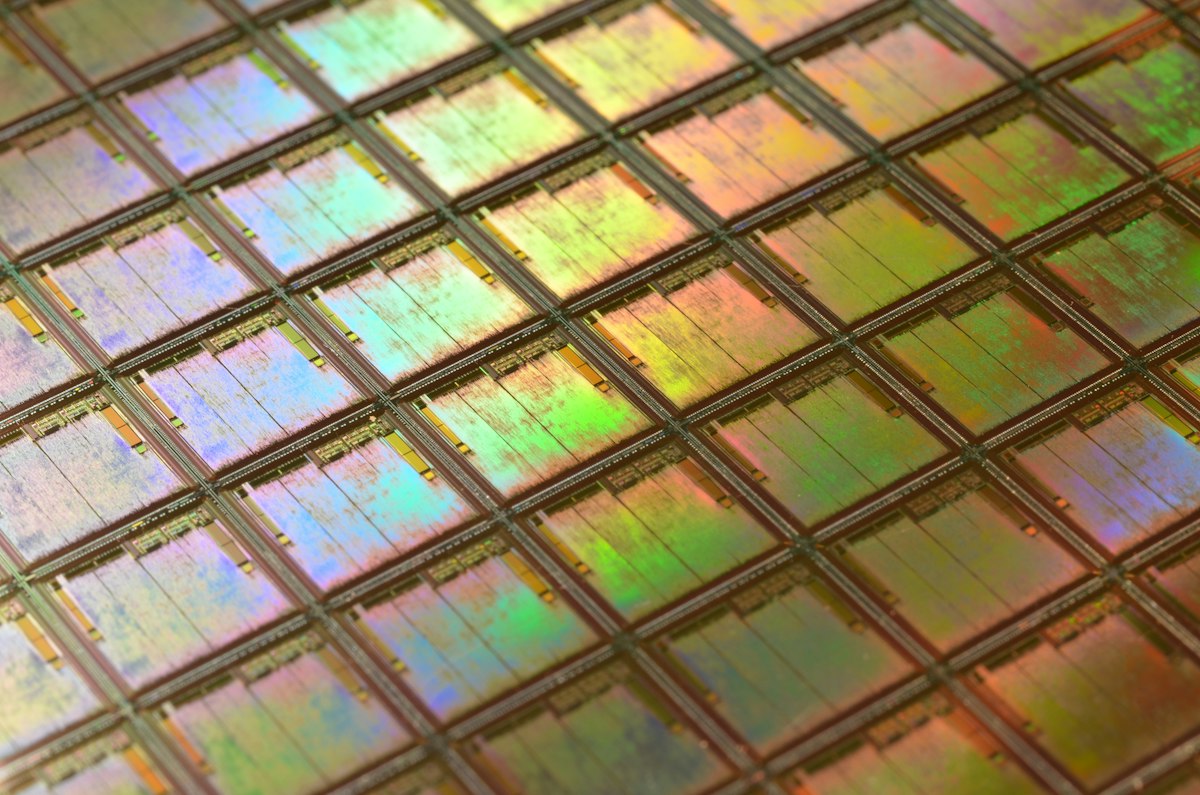
Let me give you the technical depth you want. The 9950X3D uses a 64MB SRAM die bonded directly on top of the Zen 5 compute die using AMD's Hybrid Bonding technology. This is not a simple package on package stacking. This is a direct metal to metal bond, with microscopic copper pillars connecting the cache to the core logic. The bonding pitch is sub 10 microns. The cache die is thinned down to approximately 50 microns. This is insane engineering. The yield rate on this process is likely very low, which explains the premium price. The Ryzen 9 9950X3D review units are all hand picked. The retail chips will be a lottery. You might get one that runs 10 degrees cooler than the next one due to bonding variations.
The chip also features AMD's new Unified Smart Access Memory 2.0. This allows the GPU to access the full 3D V Cache directly over the PCIe 5.0 bus. In a few select workloads, like loading large texture packs in Flight Simulator 2024, this results in a noticeable reduction in texture pop in. The effect is highly game dependent. It is not a universal win. But it is a technical innovation that shows AMD is thinking about the system holistically, not just the CPU core.
The Final Ride for AM5
Here is the cold hard reality. This is likely the last truly high end CPU for the AM5 socket. AMD has indicated that there will be a Zen 6 generation on AM5, but the rumors are pointing to a more modest core count increase and a focus on power efficiency, not raw performance. The Ryzen 9 9950X3D review represents the absolute pinnacle of what the AM5 ecosystem can deliver. It is a chip that pushes the memory controller to its limit, stresses the power delivery to its absolute maximum, and requires the best cooling money can buy. It is a monument to the socket, but it is also a warning that the platform is reaching its saturation point.
If you are building a system today with the intention of dropping in a new CPU in three years, the 9950X3D is a bad investment. Upgrade path uncertainty is real. The 700 dollar price tag is steep. You are paying a premium for a chip that is thermally compromised and requires manual software tweaks to work perfectly. If you are building a pure gaming rig and you have unlimited budget for a 420mm radiator and a high end RTX 5090, this chip is the only choice. It is the fastest gaming processor ever made. But the margins are thin. The engineering is heroic. The user experience is frustrating.
The Ryzen 9 9950X3D review data tells a story of incredible technological achievement married to practical compromise. AMD has solved the cache problem. They have not solved the heat problem. They have not solved the scheduler problem. And they are betting that the raw gaming performance is enough to make you overlook those flaws. For many enthusiasts, it will be. For the skeptics, the ones who built a high end AM5 system three years ago hoping for a clean drop in upgrade, this chip feels like a reminder that peak performance always comes with a hidden cost. The cost this time is your patience, your cooling budget, and your trust in the scheduler. The chip is a masterpiece. The experience is a work in progress. And that is the real story you need to know today.
AMD Ryzen 9 9950X3D is a high-performance desktop processor featuring 3D V-Cache technology for enhanced gaming and multitasking. V-Cache stacks additional cache memory, reducing latency and improving frame rates in cache-sensitive games and applications. It has 16 cores, 32 threads, and up to 5.7 GHz boost clock with 144MB total cache. It outperforms in gaming by 5-10% due to V-Cache, but trails slightly in multi-threaded workloads. Yes, it uses the AM5 socket and is compatible with 600-series chipsets like X670E and B650, often requiring a BIOS update.Frequently Asked Questions
What is AMD Ryzen 9 9950X3D?
How does V-Cache technology benefit performance?
What are the key specifications and core count?
How does it compare to Intel's Core i9-13900K?
Is the new platform compatible with existing AM5 motherboards?

Liam Fitzgerald reports on gadgets, apps and the companies behind them. He tests new products and cuts through the marketing to tell readers what is genuinely worth their attention.
💬 Comments (0)
No comments yet. Be the first!