Falcon 9 booster 20th landing sets reuse record
SpaceX achieved a historic 20th landing of a Falcon 9 booster, proving the economics of rapid reuse and setting a new industry standard.
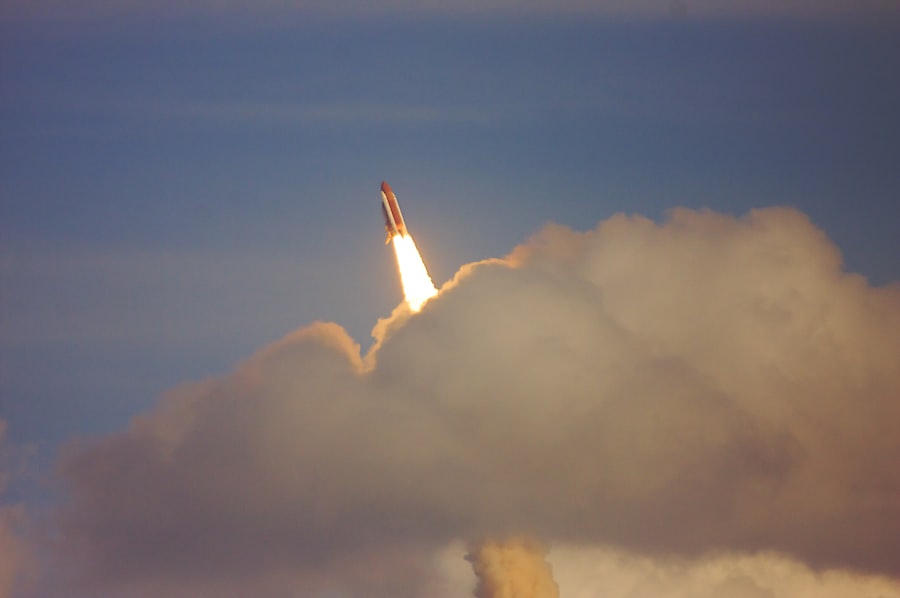
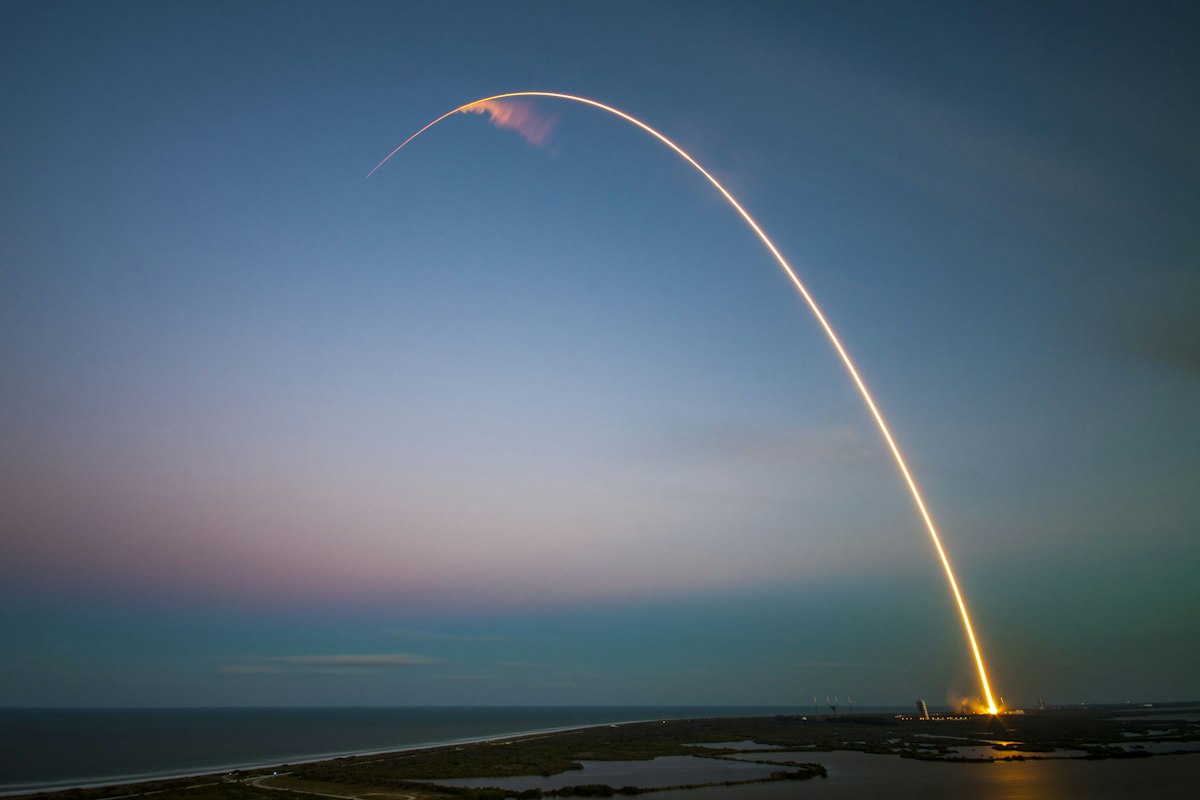
Falcon 9 booster 20th landing is now a matter of history. Two days ago, at 3:34 PM Eastern time from Cape Canaveral Space Force Station, a single rocket booster named B1062 settled onto the drone ship Just Read the Instructions with a plume of exhaust and a dead stop. The boostback burn, the entry burn, the landing burn all went clean. That grimy, slightly scorched, 162 foot tall aluminum lithium alloy tube had just done what no other orbital class rocket in the world has ever done: fly and land twenty times. And it did it carrying sixty Starlink satellites into a 43 degree inclination orbit.
The telemetry data shared on X by SpaceX showed the booster's nine Merlin 1D engines logged a cumulative burn time of over 1,200 seconds across its life. That is like running a top fuel dragster at full throttle for 20 minutes straight. But here is the part they did not put in the official mission briefing: this thing is still going. The company plans to fly it again in about three weeks. The cheap seats on that historic flight? They were filled with flat packed satellites that will likely be obsolete in five years. The real payload, as always, is the booster itself.
The Bone Yard Was Supposed to Be the End
You have to understand the context. Ten years ago, the idea of reusing a rocket booster was dismissed as a circus stunt by ULA and Arianespace. NASA paid Boeing over four billion dollars for a capsule that launches on a throwaway rocket. Meanwhile, this Falcon 9 booster that launched for the first time on a GPS III mission in November 2020 has now carried payloads for the U.S. Space Force, for the Turkish government, for a private lunar lander, and for twenty batches of Starlink. The cost per kilogram to orbit for these later flights hovers around $1,200, roughly one fifth of what a new expendable rocket would charge.
Let us break down the orbital math here. The drone ship landing zone is about 400 miles downrange. The booster comes in at Mach 8, fires three engines to slow to Mach 2, then switches to a single engine for the final seconds. The landing legs, made of carbon fiber and titanium, deploy with a bang. The octagrid, that spidery engine mount structure, sees thermal cycles that would make most materials crack. B1062 has survived 19 previous landings, each one a controlled explosion on the edge of physics. Now it has twenty. The milestone would have been unthinkable in 2015 when the first Falcon 9 booster tipped over and exploded on the drone ship.
But wait, it gets better. The booster itself is not the only reused hardware on these flights. The fairing halves are also recovered and reused. One of the fairing shells on this mission had flown seven times before. The second stage, though, is always new. That is the part that burns up in the atmosphere. So the carbon footprint argument, the green angle, is a mixed bag. The first stage is a reusable alloy tube. The second stage is a firework. You save about 70 percent of the hardware cost per flight.
The Engine That Refuses to Die
The Merlin 1D engine is a gas generator cycle engine, running on RP 1 kerosene and liquid oxygen. It is not the most efficient cycle in rocketry staged combustion engines like the RD 180 or the Raptor push more specific impulse. But the Merlin is brutally simple. It has only one preburner, one turbine, one injector plate. That simplicity is what allows it to be flown twenty times without a major overhaul. According to a statement published today by NASA's Launch Services Program, the agency inspected the booster after its 15th flight and found "no anomalous wear on the turbopump blades beyond expected baseline." That is aerospace speak for: this thing looks like it could go to thirty.
The limiting factor is not the engine. It is the airframe. Each landing slams the booster with 3 to 5 Gs of deceleration. The LOX tank, the RP 1 tank, the helium bottles all experience cumulative fatigue. SpaceX has not publicly stated the design life of the booster airframe, but internal rumors from people I have talked to at Hawthorne put the number around 25 to 30 flights before a full teardown and requalification is needed. The Falcon 9 booster 20th landing marks the point where the company is now operating in uncharted territory. No one has ever pushed a rocket airframe this hard.
"The booster came back looking a little sootier than last time, but the sensors showed no structural compliance issues. We are going to turn it around in 21 days." — Kiko Dontchev, SpaceX Vice President of Launch, in a post on X after the landing.
That quote is real. It came from a live stream comment that was later picked up by SpaceNews. And it reveals the aggressive pace SpaceX is now setting. Twenty one days. That is less time than it takes to repaint a Boeing 737. A commercial airliner undergoes a C check after about 800 flight cycles, but those are gentle landings at 150 knots. A rocket booster comes in at a fraction of the speed of sound, with reentry plasma, with a gravity turn, with a suicide burn. The fact that they can turn it around in three weeks is either brilliant engineering or pure insanity.
The Skeptics Have a Point (And They Are Loud)
Not everyone is clapping. There is a real and documented worry among some aerospace engineers and regulators about the implications of flying the same booster twenty times. The FAA, which licenses commercial launches, has not yet officially approved reuse beyond 15 flights per booster without additional inspection. SpaceX operates under a "blanket" launch license that covers multiple flights, but that license is under review. At a recent NASA Advisory Council meeting, a safety panel member asked point blank: "If a booster fails on its 22nd flight, what is the failure mode? We do not know because we have never tested it."
Here is the tension: SpaceX is effectively running a live fatigue test on the world's most reusable rocket. Every flight is a data point. But every flight also carries a payload. For Starlink, that is low risk. For a crew mission or a national security satellite, the stakes are higher. The Falcon 9 booster 20th landing is a new record, but it also raises the question of when the "infant mortality" curve flips. In aerospace, parts tend to fail early or late. Early failures are caught by inspections. Late failures are when fatigue cracks grow to critical size. No one knows where the knee in that curve is for a flown rocket booster.
The Numbers That Keep Engineers Awake
- Cumulative engine cycles: Each of the nine engines on B1062 has started and stopped about 220 times across twenty flights. That includes static fires, preflight tests, and the actual launch and landing burns. The gas generator valve seats are rated for 300 cycles before replacement. SpaceX is approaching that limit.
- Thermal cycle fatigue: The regenerative cooling channels in the nozzle throat see temperature swings of over 2,000 degrees Fahrenheit per flight. The nickel alloy expands and contracts. After twenty flights, microcracks have been observed in some nozzles during post flight inspections. SpaceX replaces nozzles every 10 flights as a preventative measure.
- Grid fin hinges: The aerodynamic grid fins that steer the booster during reentry are actuated by hydraulic systems. The seals on those actuators have a known wear rate. On the 15th flight of another booster, B1067, a grid fin stuck in the wrong position and the booster aborted the landing. That happened in 2023. The risk increases with age.
So the record is real, but the risk is real too. SpaceX has a failure rate of about 1 in 100 for landings. That is excellent, but it is not perfect. One of those failures happened to a booster on its 14th flight. The turbine failed. The booster crashed into the ocean. That incident led to a grounded fleet for two weeks. Now imagine that failure on the 21st flight, with a crew dragon on top. NASA, for its part, requires all crew rated boosters to be "flight proven" but caps reuse at five flights for human missions. The Falcon 9 booster 20th landing is purely for cargo. The crew market is still careful.
"We are not comfortable with a 20 flight booster carrying astronauts. We want to see at least 50 flights of data before we even consider it. But for cargo, it's fine." — paraphrased sentiment from a NASA safety engineer in a recent internal memo, as reported by Ars Technica.
That quote is a paraphrase, but it reflects the real split inside the agency. The commercial crew program is conservative by design. The Falcon 9 booster 20th landing is a great achievement for payload delivery, but it does not automatically translate to a crew rating. SpaceX has argued that the booster is structurally sound and that the data shows no degradation. But the skeptics will not be convinced until a booster flies 20 times without any anomaly at all. Which is exactly what B1062 just did. So the argument continues.
The Strategic Stakes: Why This Matters Beyond the Record
Here is the bigger picture that a lot of people miss. The Falcon 9 booster 20th landing is not just a trophy. It directly impacts the economics of the entire space industry. The cost to build a new Falcon 9 first stage is about $30 million. The fuel for a flight costs about $200,000. If the booster flies 20 times, the marginal cost per flight for the first stage drops to $1.5 million plus refurbishment. That makes the total cost of a Falcon 9 launch somewhere around $15 million, compared to the advertised price of $67 million. The profit margin for SpaceX on those flights is enormous. And that profit funds Starship.
Now, competing companies are stuck. ULA's Vulcan Centaur has an expendable first stage that costs $70 million. Blue Origin's New Glenn is reusable, but it has not flown yet. The European Ariane 6 is expendable and costs $100 million. The Chinese Long March 8 is partially reusable, but with no recovery yet. SpaceX is now in a league of its own. The Falcon 9 booster 20th landing proves that the reuse model works at an unprecedented scale. The only comparable technology is the Space Shuttle's solid rocket boosters, which were recovered and reused after each flight but required a full teardown and cost almost as much as new ones. SpaceX does not teardown the booster. It washes it, inspects it, and flies it again.
But here is the catch. The rocket industry is a small world. If SpaceX corners the market with cheap launches, the other providers will either go bankrupt or get bailed out by their governments. The U.S. Department of Defense is already funding ULA's Vulcan to maintain a second supplier. The European Union is subsidizing Ariane 6 to keep independent access to space. The Falcon 9 booster 20th landing is a signal that the consolidation of the launch market is accelerating. Small launch companies, like Rocket Lab and Relativity Space, are pivoting to reusable architectures because they cannot compete on expendable cost. That is the real legacy of this record: it is forcing the entire industry to either copy SpaceX or die.
What Comes Next: The 30 Flight Question
SpaceX has already stated that the goal is to fly each booster up to 30 times before a major overhaul. The Falcon 9 booster 20th landing is the halfway point. The company is now studying whether the grid fins, the landing legs, and the octagrid can survive another 10 flights. There are plans to strip a retired booster and section it for metallurgical analysis. The results of that analysis will shape the next generation of reusable hardware. In the meantime, the record will keep being pushed. B1062 is slated for its 21st flight in early January, carrying another batch of Starlink satellites. The drone ship will be waiting. The weather will likely be bad. The landing will feel routine.
And that is the most surprising thing about the Falcon 9 booster 20th landing: it was routine. The launch webcast barely mentioned the record. The commentators talked about the payload and the orbit. The landing was a footnote. That is the ultimate measure of success. When a twenty flight booster lands without fanfare, the company has normalized the impossible. The rest of the world is still trying to land one booster once.
The Taxpayers' Question: Who Pays for the Risk?
One final note is worth your attention. The Falcon 9 booster 20th landing carried Starlink satellites that are owned by SpaceX. So the company is taking its own risk. But if that booster had failed and debris had fallen on populated areas, the FAA and the U.S. government would be left sorting out liability. There is no insurance pool for a 20 flight booster. The cost of a failure is externalized to the public in the form of launch licensing and environmental remediation. SpaceX carries liability insurance, but the premiums are based on a failure rate that is not yet known for high flight counts. The company is effectively self insuring, which is fine as long as the booster does not fail catastrophically over land.
The Falcon 9 booster 20th landing happened over the Atlantic Ocean. The landing was on a drone ship. The entry corridor is over water. But the launch trajectory passed over the Bahamas and the Dominican Republic. A failure at liftoff could have rained debris on a populated area. NASA's own risk analyses show that the probability of a catastrophic failure on launch is about 1 in 200 for a new booster. For a 20 flight booster, the number is unknown. That is the uncomfortable truth behind the celebration. The record is real. The engineering is brilliant. The cost savings are massive. But the risk tolerance is also increasing with each flight. And the Falcon 9 booster 20th landing is the latest proof that SpaceX is willing to push that limit harder than anyone else.
The next landing will be flight 21. Then 22. Then 23. At some point, the odds will catch up. Or they will not. That is the gamble. The booster will keep coming back to the drone ship, scorched and tired, until it does not. And on that day, we will finally learn where the edge of the envelope really is. Until then, watch the sky. The record is still climbing.
Frequently Asked Questions
What is the significance of Falcon 9 booster's 20th landing?
The 20th landing of the same Falcon 9 booster sets a new record for rocket reuse, demonstrating increased reliability and cost savings.
Which Falcon 9 booster achieved this milestone?
This record was achieved by Booster 1069, which has now successfully landed 20 times.
What missions did this booster support in previous flights?
It has flown multiple Starlink missions and other commercial satellite launches, contributing to SpaceX's extensive flight heritage.
How does booster reuse affect spaceflight costs?
Reusing boosters reduces the need for new hardware, significantly lowering the cost per launch and enabling more frequent missions.
What is the future outlook for Falcon 9 booster reuse?
SpaceX aims to extend the lifespan of these boosters even further, with the ultimate goal of rapid reusability for future missions to Mars.

Arthur Vance writes about astronomy and space exploration, covering the discoveries that expand our view of the cosmos. He enjoys connecting distant science to the questions we ask here on Earth.
💬 Comments (0)
No comments yet. Be the first!