USPS Finalizes Mail Ballot Rules Before SCOTUS Ruling
The U.S. Postal Service is finalizing mail ballot rules amid legal challenges, aiming to implement them by the 2026 midterm elections.
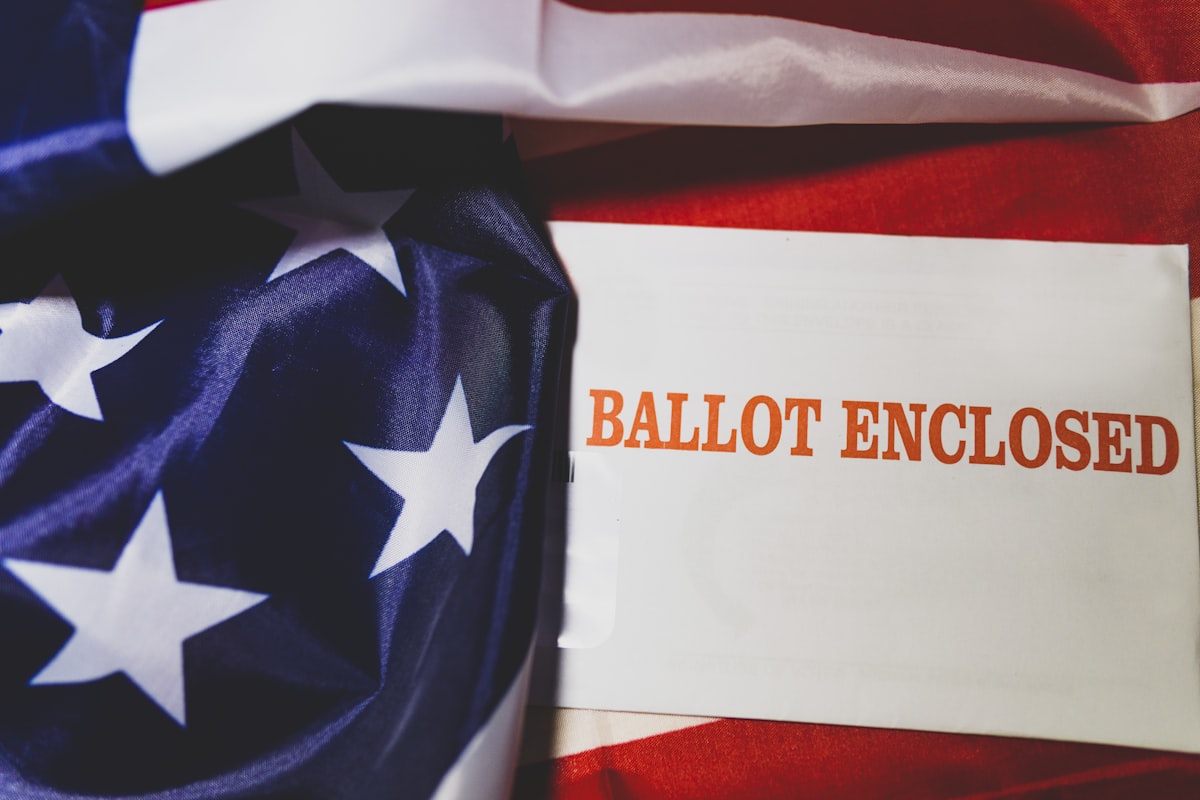
Mail Ballot Rules Finalized as Supreme Court Weighs In
Mail ballot rules are at the center of a fresh legal storm. The U.S. Postal Service posted finalized regulations to the Federal Register late Friday night, moving to lock in new federal oversight of mail-in voting just as the Supreme Court prepares to hear challenges. The rules, first proposed under a March executive order from President Donald Trump, would let the federal government define which residents are “eligible” for mail-in ballots. That power, critics say, belongs to states and Congress under the Constitution.
The timing is deliberate. It's a hard deadline, and USPS admits it needs to act now to have the system ready for the 2026 midterms, scheduled for November 3. So the agency wrote, “To ensure the faithful execution of federal law in connection with federal elections, this rule has an immediate effective date.” Delaying it would be a gamble they can't take. “Delaying the effective date would jeopardize implementation of this rule in time for the 2026 general election,” they added, and that's the whole argument in one breath.
Courts Already Say No
Here’s the twist: multiple lower courts have already struck these rules down. The U.S. District Court of Massachusetts ruled against the administration in an ongoing lawsuit brought by states and voter groups. Last week, Judge Indira Talwani went further, issuing a second, separate injunction. Her reasoning was blunt. “The court has already answered and will again resolve the question clearly and affirmatively,” she wrote. “The executive branch has no authority to regulate elections.”
That hasn’t stopped USPS from pushing forward. The agency says it won’t implement the rules until the Supreme Court rules, but it’s finalizing them now to meet its own deadline. Whether the justices will address both injunctions in one ruling or separately remains unclear. Election day is set for November 3, 2026.
200,000 Comments, No Clear Consensus
The public response was massive. USPS says it received 200,000 comments on the proposed rule. The agency didn’t break down how many supported or opposed it. But it did mention the supportive comments: many argued the rules would boost voter confidence by addressing perceptions that fraud is a major issue.” Phrases like “strengthens confidence” and “reduce uncertainty” show up throughout the agency’s summary.
What’s missing? Evidence. The notice offers no credible proof of coordinated mail-in voter fraud. Courts, post-election audits, and independent experts have repeatedly debunked the claim that noncitizens, dead people, and Democrats are gaming the system at scale. Trump and his allies have been the primary force pushing that narrative, and the final rule leans on it heavily.
USPS defends its position anyway. “Whether or not voter fraud is common or uncommon, the Postal Service has the legal authority to take the measures in this rule to facilitate enforcement of federal law, reduce the risk of fraud, and help protect the integrity of federal elections,” the notice states.
Opposition Points to Real Risks
The opposing comments raised serious concerns. Two courts had already blocked the rules as unconstitutional. But others warned that USPS might refuse to accept state-tendered ballots that don't meet the new federal data-entry requirements, and that refusal would effectively override state election laws, creating chaos for voters who follow the rules their state sets. It's a dangerous gamble.
They call it “partisan political speculation.” USPS dismissed those objections as “influenced” by such talk, and they say the criticism relies on “conjecture about the underlying intent” of the order, which they insist is speculative and exceeds the scope of this proceeding. So the agency added a firm denial. It doesn't, they wrote, “facilitate any form of voter suppression, affect election outcomes, or target particular demographics, districts, or states.” And that's their final word.
That framing misses something. The constitutional problem isn’t intent. It’s authority. The executive branch doesn’t get to redefine election rules that the Constitution assigns to states and Congress. That’s what the courts keep saying, and that’s what the Supreme Court will now decide.
Voter Groups Push Back
Voting rights organizations responded quickly to Friday’s posting, warning it will sow confusion. For now, state rules still govern. “For the 2026 election, voters can continue to rely on the voting rules established by their state unless and until a court orders otherwise,” said Michael McNulty, senior policy director at the nonprofit Issue One.
“Yet, because the Trump administration continues its attempts to undermine trust in an effort to centralize control of elections, we all must remain vigilant and continue to build trust in our election system.”
McNulty’s warning cuts to the heart of it. The fight over mail ballot rules isn’t really about fraud prevention at all, it’s about who controls the mechanics of democracy, and that control determines whose votes count and whose don’t in the quiet machinery of every election. The Supreme Court’s ruling will settle that, at least for now. But the broader battle over election trust isn’t going away. It can't, regardless of what the justices decide, because suspicion has become a permanent feature of our political landscape, and no single ruling can erase that.
The stakes are concrete. If the rules stand, federal data-entry requirements could force states to change how they handle ballots, and that's a logistical headache no election office wants. But if they fall, the administration loses a key lever in its effort to centralize election oversight. Either way, the 2026 midterms will be the first test of whatever system emerges from this legal fight, and we've seen how quickly those tests can turn chaotic. So don't expect calm.
For voters, the advice from Issue One is straightforward: follow your state’s rules. Those are the rules that count. Until a court says otherwise, the postal service’s late-night maneuver may make headlines, but it doesn’t change the law today, and that’s a reality you can’t ignore. But what happens after the Supreme Court weighs in is another story entirely.
Frequently Asked Questions
What are the newly finalized mail ballot rules, and what do they allow the federal government to do?
The U.S. Postal Service finalized regulations that would let the federal government define which residents are 'eligible' for mail-in ballots. This power, according to critics, belongs to states and Congress under the Constitution.
Why did the USPS finalize these mail ballot rules at this particular time?
The USPS finalized the rules to meet a hard deadline for implementation before the 2026 midterms, scheduled for November 3. The agency stated that delaying the effective date would jeopardize implementation in time for the 2026 general election.
How have lower courts responded to these mail ballot rules?
Multiple lower courts have already struck down these rules. The U.S. District Court of Massachusetts ruled against the administration, and Judge Indira Talwani issued a second injunction, stating that the executive branch has no authority to regulate elections.
What did the public comments on the proposed mail ballot rules reveal about support and opposition?
The USPS received 200,000 comments, but it did not break down how many supported or opposed the rule. Supportive comments argued that the rules would boost voter confidence by addressing perceptions of fraud, while opposing comments warned of risks like overriding state election laws and creating chaos for voters.
According to the article, what advice is given to voters regarding mail ballot rules for the 2026 election?
The article advises voters to follow their state's rules, as those are the rules that count until a court orders otherwise. Michael McNulty from Issue One stated that for the 2026 election, voters can continue to rely on state voting rules unless a court changes them.

Sloane Meyer covers cybersecurity, privacy and the threats facing individuals and organisations online. She explains how attacks happen and what can be done to stay protected.
💬 Comments (0)
No comments yet. Be the first!