Trump Risks Surveillance Authority Over Spy-Chief Pick
A key warrantless surveillance authority is set to expire amid a standoff over President Trump's pick for acting intelligence chief. Section 702 of FISA allows warrantless collection of foreign communications, potentially sweeping in American data.

Trump Puts Key Surveillance Law at Risk
Over Controversial Spy-Chief Nominee
Section 702 of the Foreign Intelligence Surveillance Act is on the brink of expiration. It's a sweeping warrantless surveillance authority. But its fate is entangled in President Donald Trump's insistence on appointing housing official Bill Pulte as acting Director of National Intelligence, and Trump has reportedly tasked Pulte with downsizing the Office of the Director of National Intelligence before a permanent director is named. That move has stalled bipartisan efforts for renewal.
This critical surveillance tool lets the government collect foreign communications abroad without a warrant. It also sweeps in an unknown volume of American communications. The FBI can search those later. Without Congressional action by Friday, June 12, Section 702 faces its first-ever lapse in legal authorization, and securing the 60 votes needed for reauthorization in the Senate, where Republicans hold 53 seats, has become a major challenge because of Pulte's controversial appointment.
The Sticking Point: An Unqualified Nominee
The path to reauthorizing Section 702 had been progressing until Trump named Pulte as an interim replacement last week. But that decision proved to be a major obstacle, preventing Senate leaders from mustering enough votes to even begin debate on the program. Seven Republicans joined Democrats in opposing the move. It highlighted deep divisions over the nominee's suitability and the program's oversight. That's the core issue.
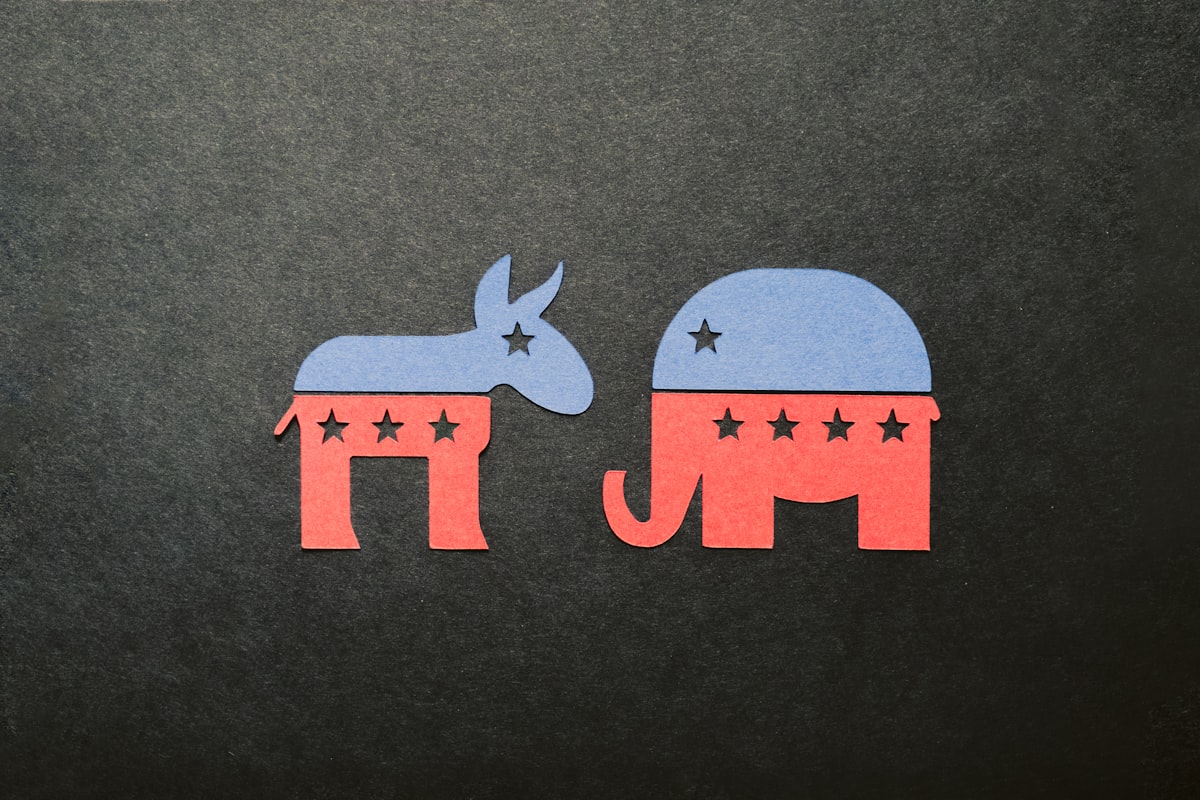
The Republican holdouts want a warrant to query Americans' data. But the current administration rejects that demand and has made it clear they won't budge on this point, so the impasse over privacy and security remains unresolved. Democrats have stated they will not advance the bill as long as Pulte is in consideration for the acting DNI role.
Pulte's Controversial Background
Bill Pulte is the head of the Federal Housing Finance Agency. He's sent criminal referrals to the Justice Department alleging mortgage fraud against prominent Trump critics, including New York Attorney General Letitia James, Senator Adam Schiff, and Federal Reserve Governor Lisa Cook, and these accusations bear striking similarities to allegations made against three of Trump's most vocal opponents. But all parties have denied them.
Pulte has no background in intelligence, even though a post-9/11 law requires the Director of National Intelligence to have deep national security expertise.""" This lack of experience has drawn sharp criticism.
"Someone with a history of weaponizing confidential information should not be handed the role," stated Senator Mark Warner, the top Democrat on the Intelligence Committee and a co-author of a recently stalled bipartisan compromise.
House Minority Leader Hakeem Jeffries has been unequivocal in his opposition. He describes the appointment as Trump "tossing a hand grenade" into sensitive negotiations. Jeffries has called Pulte "deeply unqualified" and "deeply dangerous," citing his absence of national security, military, or law enforcement experience, and a perceived willingness to "weaponize the federal government against Donald Trump’s perceived adversaries." But it's not a complete resolution. He has emphasized that withdrawing Pulte's nomination is a necessary first step towards potential reforms, though they can't stop there.
Calls for Reform and a Looming Deadline
Republican leaders have urged the White House to find an alternative. But they're not budging on the stakes. Senate Majority Leader John Thune indicated the administration is "weighing seriously" the appointment of a permanent, Senate-confirmed director, and Thune alongside President Trump has framed the urgency of renewing Section 702 by referencing upcoming events like the World Cup and the nation's 250th anniversary celebrations.
Senator John Cornyn expressed his skepticism. "I'm still seeking any evidence of qualifications," he said, and he added that Democrats won't vote to pass 702 until the nominee's withdrawn. But materials from Section 702 data make up about 60 percent of the President's Daily Brief, a figure that Senate Judiciary Chairman Chuck Grassley also echoed.
However, some Republicans dispute the dire predictions of program collapse. Representative Keith Self of Texas dismissed the warnings as "hysteria," arguing that other FISA authorities remain in place and suggesting that proponents should accept reforms like a warrant requirement. He asserted, "FISA isn’t going dark. We have the law. We have precedent from 2008. Don’t fall for the scare tactics."
The libertarian Cato Institute has raised similar points. A senior Republican aide on a relevant committee commented that the program has the FISA court's permission to continue for another year, regardless of Congressional action. "None of the members saying the program is ending Friday will be claiming it’s actually dead on Monday,especially those on intel. They know better."
Hajar Hammado, a senior policy adviser at Demand Progress, criticized the current situation. It's a guise for threats to civil liberties. She argued that Republican leadership's "baseless fearmongering" about security risks during the World Cup would be better addressed by allowing votes on warrant requirements. Those warnings of imminent national security consequences can't be trusted. So she added that the Foreign Intelligence Surveillance Court has already ruled that 702 surveillance remains in effect until March 2027 under existing orders. But don't buy the hype.
The Path Forward?
Despite the urgency, the Republican chairs of the Senate Intelligence and Judiciary committees, Tom Cotton and Chuck Grassley, have reportedly asked the administration to prepare for a potential collection gap, including drafting an executive order if necessary.
Jake Laperruque, a surveillance policy expert at the Center for Democracy and Technology, views the stalemate as a symptom of systemic failure. It's a mess. He argued against the cycle of short-term extensions and sunsets, stating, "We can end the deadlock and resolve this issue now, but leadership needs to stop muzzling debate and allow a vote on warrants and reforms, like we've always had in the past." But blocking off reform votes is the reason we're stuck here, and allowing votes on those reforms is the only way out, he insisted.
The controversy unfolds as the government withholds key records. Senator Ron Wyden's letter to colleagues indicated that warrantless searches of American politicians, activists, and journalists more than tripled in 2025, and a still-secret FISA court opinion from March reportedly details serious abuses. Separately, in a Freedom of Information Act lawsuit, the FBI disclosed in a June 4 court filing that it had identified approximately 39,650 potentially responsive pages of Section 702 noncompliance records, but will not begin releasing them until mid-August.
Frequently Asked Questions
What is Section 702, and why is it at risk of expiration?
Section 702 is a warrantless surveillance authority that allows the government to collect foreign communications abroad without a warrant, also sweeping in an unknown volume of American communications. It faces its first-ever lapse in legal authorization without Congressional action by Friday, June 12, because bipartisan renewal efforts are stalled due to President Trump's appointment of Bill Pulte as acting Director of National Intelligence.
Why are Democrats blocking the reauthorization of Section 702?
Democrats have stated they will not advance the bill as long as Bill Pulte is in consideration for the acting DNI role, citing his lack of intelligence experience and his history of weaponizing confidential information. Senator Mark Warner called Pulte unsuitable, and House Minority Leader Hakeem Jeffries described the appointment as Trump 'tossing a hand grenade' into negotiations.
How does the FBI use Section 702, and what reform do some Republicans demand?
The FBI can search the communications collected under Section 702 later, even those of Americans. Some Republicans, including seven who opposed starting debate, want a warrant requirement to query Americans' data, but the current administration rejects that demand.
Who is Bill Pulte, and why is his appointment controversial?
Bill Pulte is the head of the Federal Housing Finance Agency with no background in intelligence, despite a post-9/11 law requiring the DNI to have deep national security expertise. He has sent criminal referrals against prominent Trump critics, drawing sharp criticism from lawmakers who view him as unqualified and dangerous.
When does Section 702 expire, and what are the conflicting views on its status?
Section 702 faces expiration by Friday, June 12, without Congressional action, but some Republicans like Representative Keith Self dismiss warnings as 'hysteria,' arguing that other FISA authorities remain and the FISA court has allowed the program to continue until March 2027. A senior Republican aide also claimed the program can continue for another year regardless of Congressional action.

Sloane Meyer covers cybersecurity, privacy and the threats facing individuals and organisations online. She explains how attacks happen and what can be done to stay protected.
💬 Comments (0)
No comments yet. Be the first!