Why Systems Need New Secure Boot keys Now
The expiration of Secure Boot keys on June 24 forces Windows and Linux updates to block advanced UEFI bootkits.
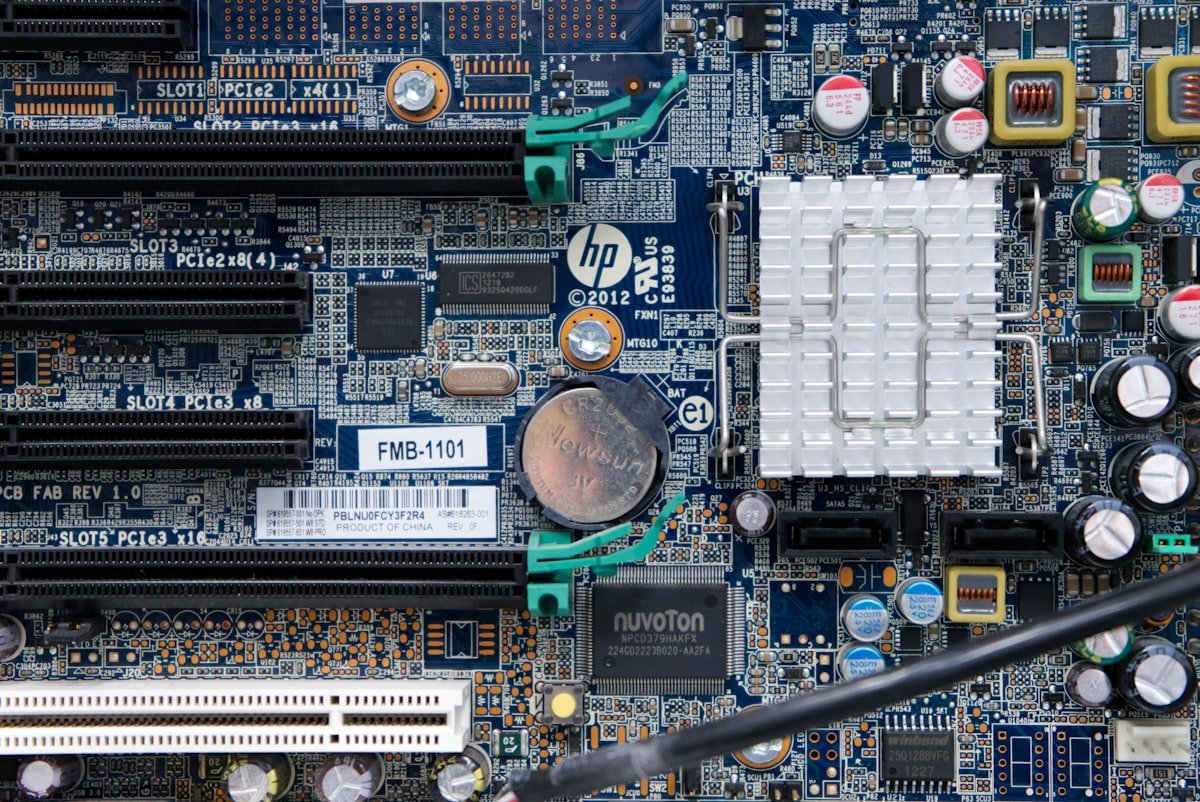
Secure Boot keys must be updated right now. Beginning June 24, three certificates that cryptographically verify every piece of firmware and software loading during boot will expire, and these Microsoft-signed certificates serve as the foundation of Secure Boot's chain of trust. They protect Windows and Linux from firmware-based UEFI infections. These highly dangerous forms of malware load before the operating system and any installed antimalware software can even initialize. So it's a race against time.
Secure Boot works by checking digital signatures. It examines all firmware loading during the boot sequence, ensuring this early-stage software originates from a trusted provider like the computer motherboard's manufacturer. Bootkits are dangerous. When one infects the Unified Extensible Firmware Interface, which replaced the traditional BIOS, it establishes deep control over the hardware. Detection is incredibly difficult because these bootkits execute prior to the operating system. Once active, they install malware onto the operating system to steal credentials, create system backdoors, or execute other malicious actions. Disinfecting the OS doesn't solve the issue. The bootkit can simply reinfect the system on the next startup, surviving complete operating system reinstallations.
The long history of bootkit development
Startup malware isn't new. It dates back to the early 1980s when the first bootkits targeted Apple II systems, and these early infections spread physically through floppy disks that were used to distribute pirated games. But by the early 2000s, offensive security researchers began developing proofs of concept to demonstrate similar vulnerabilities in Windows environments.
The timeline of these proof-of-concept attacks highlights the evolution of the threat:
- 2005: Researchers demonstrated BootRoot at the Black Hat security conference, infecting the Network Driver Interface to intercept TCP/IP communications.
- Subsequent years: Security analysts created similar demonstration tools, including Vbootkit, the Stoned Bootkit, and Mebroot.
- 2012: The attack surface shifted as researchers demonstrated a bootkit targeting Mac OS X systems by infecting the EFI, alongside a primitive bootkit targeting Windows 8.
- 2013: A researcher demonstrated a more advanced UEFI bootkit designed for Windows systems, which was named Dreamboat.
These theoretical demonstrations crossed into real-world weapons. But in 2018, security researchers discovered LoJax, the first known UEFI malware deployed in an active campaign, and it was built by repurposing a legitimate anti-theft program called LoJack. The Kremlin-backed hacking group Sednit was behind it. So the hackers deployed LoJax remotely using software tools capable of reading and overwriting parts of the flash memory inside the UEFI firmware.
Two years later, another threat appeared. It was real. Researchers discovered MosaicRegressor, a UEFI malware that checked for a malicious file in the Windows startup folder on every reboot and automatically reinstalled it if it was missing. Kaspersky, the security firm that found it, can't say how the infected systems were first compromised. But other UEFI bootkits have since emerged, including ESpecter, FinSpy, and MoonBounce.
The vulnerability that broke the chain
Microsoft partnered with hardware makers to make Secure Boot an industry-wide standard. It's a direct response to those escalating threats. The protocol uses cryptographic signatures to verify that the manufacturer trusts every piece of code executed during startup, so the system is only as secure as its weakest link. But if Secure Boot detects an unrecognized element in that chain, it halts the startup entirely. That's a hard stop.
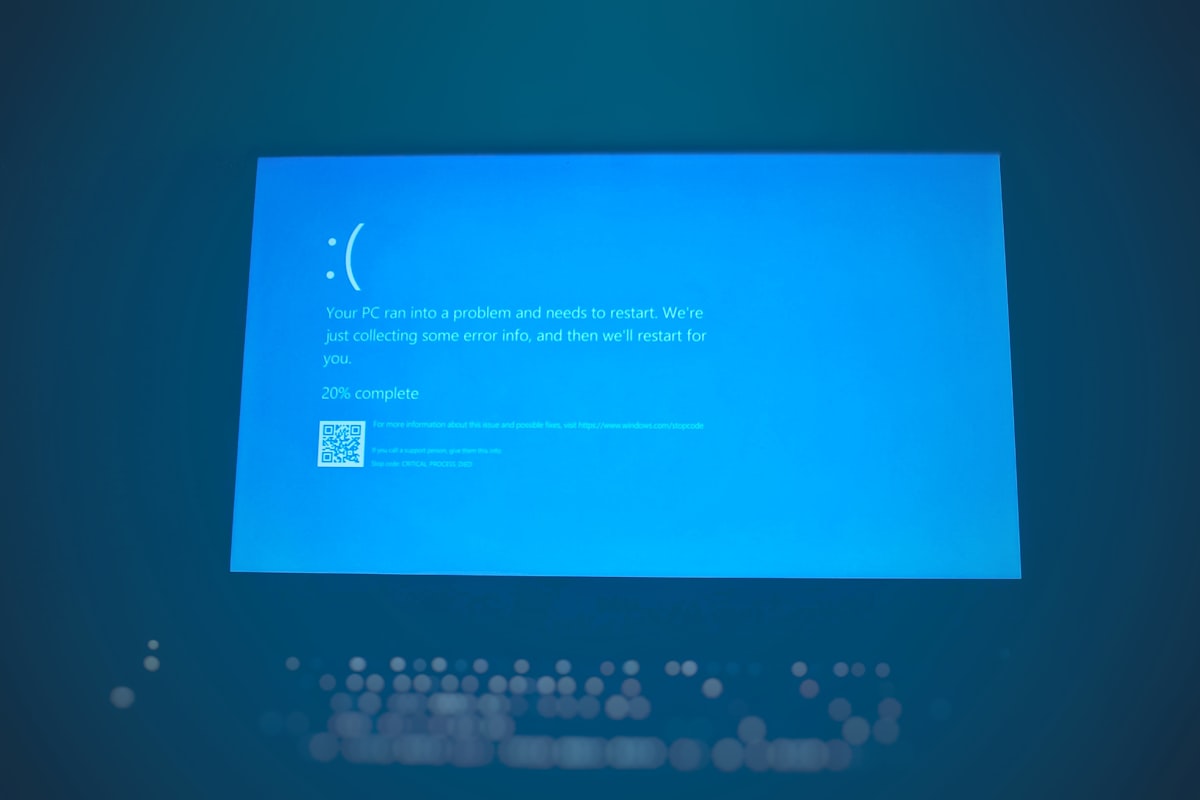
2023 upended everything. Researchers discovered LogoFail, a collection of critical vulnerabilities affecting the UEFI boot process on almost every Windows and Linux machine worldwide, and it's a massive security problem. The flaw sat in the image-parsing software that displays hardware manufacturer logos during system startup. But attackers could bypass Secure Boot protections entirely and write malicious firmware directly to the UEFI by exploiting this bug.
Replacing the compromised cryptographic signatures
The discovery of LogoFail made existing cryptographic keys obsolete. Three older signatures dated 2011 are being removed, but they're replaced with ones dated 2023, so Microsoft must replace the underlying signatures that power the Secure Boot verification process to resolve this vulnerability. It's a messy fix.
This transition demands coordinated action across multiple platforms. It's not simple. Microsoft is currently updating Windows 10 and Windows 11 systems to implement the new signatures, while Linux distributors are updating shims, which are small first-stage UEFI bootloaders that serve as a trusted bridge between the Secure Boot keys and the Linux bootloader.
What happens if you miss the deadline
Systems not receiving updated Secure Boot keys will boot and run normally after June 24. But they'll lack protection against modern UEFI threats.
Checking the update status is quick. Users just open Windows Security, navigate to Device Security, and check the Secure Boot section for a green checkmark that confirms the system has successfully completed the update. Most Windows devices receive these keys automatically during monthly patch cycles, but older hardware may require manual configuration. Linux users must monitor their distributions for updated shims. They can't skip this step. Hardware firmware updates are also vital, and they're often required for these certificate transitions to install smoothly.
Frequently Asked Questions
What are Secure Boot keys and why are they being updated now?
Secure Boot keys are cryptographic signatures that verify the authenticity of firmware and software during boot. They are being updated because three certificates will expire on June 24, and the discovery of the LogoFail vulnerability made existing keys obsolete.
How do bootkits exploit the UEFI and why are they hard to detect?
Bootkits infect the UEFI before the operating system loads, allowing them to establish deep control over hardware. Detection is difficult because they execute prior to the OS and can survive complete operating system reinstallations by reinfecting the system on the next startup.
What is the role of Microsoft and Linux distributors in the Secure Boot key update?
Microsoft is updating Windows 10 and Windows 11 systems to implement the new signatures, while Linux distributors are updating shims—small UEFI bootloaders that bridge Secure Boot keys and the Linux bootloader.
When do the current Secure Boot certificates expire and what happens if systems miss the update?
The three certificates expire on June 24. Systems that miss the update will still boot normally but will lack protection against modern UEFI threats, including the LogoFail vulnerability.
How can users check if their Secure Boot keys have been successfully updated?
Users can open Windows Security, navigate to Device Security, and check the Secure Boot section for a green checkmark. Most Windows devices receive updates automatically during monthly patches, but older hardware may need manual configuration.

Erik Vanderwall reports on information security, data breaches and the defenders working to keep systems safe. He follows the constant contest between attackers and the people trying to stop them.
💬 Comments (0)
No comments yet. Be the first!