Manhattan Institute Behind 'Civil Terrorism' Bills in Utah and Arizona
The Manhattan Institute's push for 'civil terrorism' laws reclassifies protest crimes as felonies; Utah passed it, Arizona may follow.
It's a right-wing think tank. Cofounded in 1978 by former Central Intelligence Agency director William Casey, the Manhattan Institute is behind a yearlong campaign to push state-level legislation that would reclassify minor protest-related crimes as 'civil terrorism'. It's already produced one signed law in Utah, and Arizona is next in line. But if the Manhattan Institute gets its way, blocking a roadway or trespassing during a protest could become a felony carrying an 18-month prison sentence.
It's shaping hardline policy. It helped architect zero-tolerance policing in 1990s New York City and fueled the Trump administration's scorched-earth campaign against diversity, equity, and inclusion programs, but now it's turned its attention to the street.
A New Kind of Crime
Meet Tal Fortgang. He's the intellectual engine behind the "civil terrorism" framework, a legal policy fellow at the Manhattan Institute, and a recent New York University law graduate. And in a February 2025 Wall Street Journal op-ed, Fortgang argued that nonviolent disobedience like blocking a road was something far more sinister than simple disorderly conduct.
He later expanded the theory in City Journal, the Manhattan Institute's in-house magazine. There he took aim at the Answer anti-war protest network, citing its "central role in organizing an act of civil terrorism" and its advocacy on behalf of foreign governments as grounds for scrutiny under the Foreign Agents Registration Act.
Fortgang's definition is coldly specific. He wrote:
Today's left-wing agitators deploy random acts of lawlessness designed to inconvenience and disrupt as many civilians as possible, hoping to pressure them to get the government to change course. This tactic is reasonably described as a form of terrorism, though the activists aren't murderous like al-Qaida or Hamas,they don't use guns, bombs, or threats of unpredictable bloodshed. Instead, they engage in civil terrorism.
WIRED asked Fortgang why states should upgrade protest-related crimes from misdemeanors to felonies. His answer was blunt. But when hundreds gather to commit disorderly conduct together, we're dealing with something completely different, and that's civil terrorism: mass commission of minor crimes to intimidate or coerce a population into adopting certain policies.
He defended his focus on anti-war, pro-Palestinian, and Black Lives Matter activists by claiming "they constitute the overwhelming majority of groups engaged in this behavior."
The Utah Blueprint
Utah moved first and fast. But it's remarkable that HB 331 cleared both chambers with scant resistance, with only two legislators voting no during its entire trajectory, before Governor Spencer Cox signed it into law on March 24.
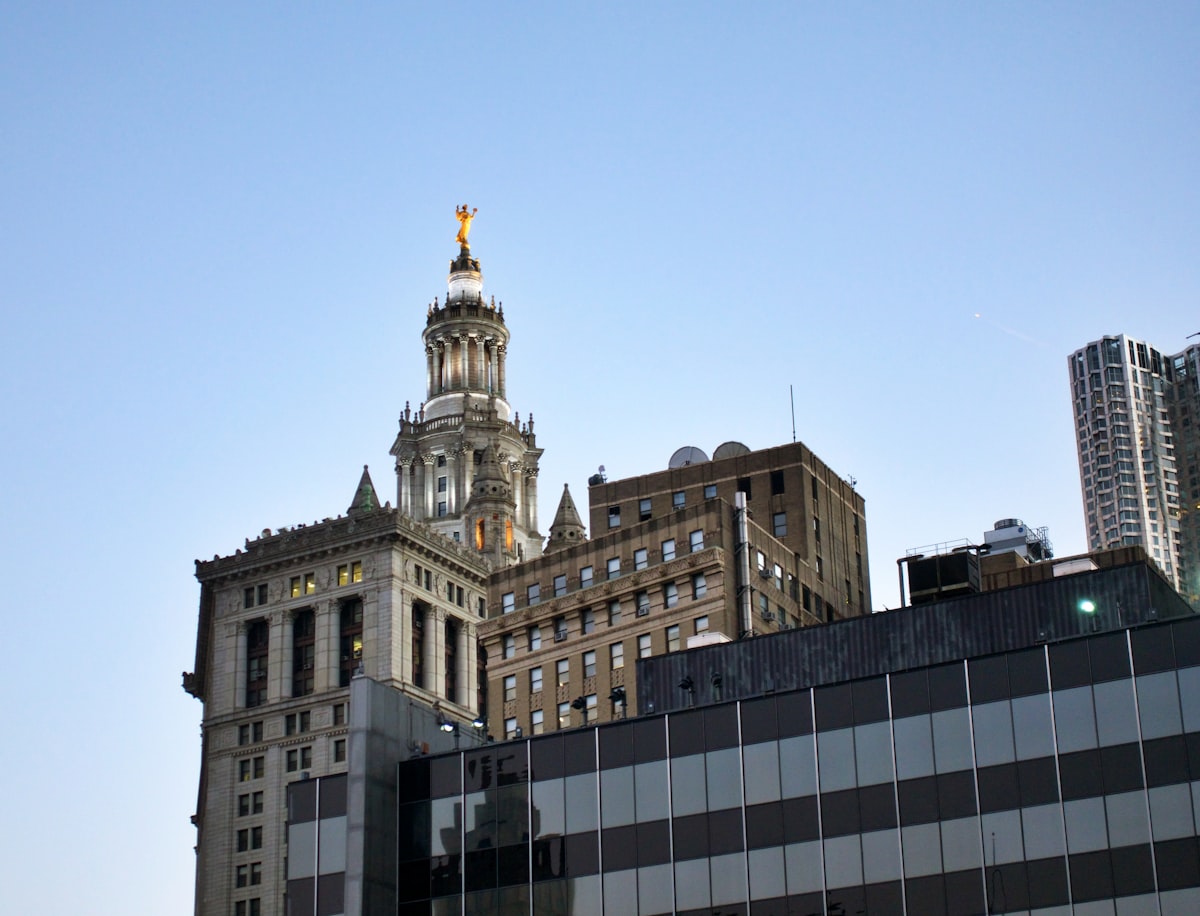
The new law heightens penalties for 'aggravated disorderly conduct' during protests and creates a new crime for 'unlawfully advancing foreign organizations,' but it's also done something else that's drawn immediate fire. They're heightened.
The Mask Loophole
The Utah law now outlaws civilians wearing masks at protests.
It's a stark double standard. But law enforcement agencies routinely shield their officers' identities during operations while the same lawmakers who wrote mask-wearing into a felony framework for protesters saw no problem exempting the state's own agents. Civil liberties advocates noticed.
Arizona Braces for a Fight
Arizona is next. The Manhattan Institute's model legislation, HB 2136, cleared the Lower Chamber in early March on a 31-21 vote. It now awaits action in the state Senate. But the political terrain is different here. The governorship and statehouse are split between Republicans and Democrats, and Governor Katie Hobbs vetoed a similar bill last year that would have made blocking a roadway a felony.
Catherine Miranda is the second-ranking Democrat in Arizona's upper house. She didn't mince words. She called HB 2136 an attack on all our First Amendment rights, the right to assemble, to free speech, to petition our government. And she added it's meant to have a chilling effect on our right to speak out against a state or federal government that's repressing our civil rights and embracing authoritarianism.
The bill would make it a felony for two or more people to block a public thoroughfare for either pedestrians or vehicles. Miranda noted the threshold is dangerously low.
Way didn't respond to WIRED. But Republican state representative Michael Way, from a Phoenix exurb, cited the intense protests over President Donald Trump's immigration enforcement blitzes as his justification.
Hill sees a longer arc. Darrell Hill, policy director for the American Civil Liberties Union of Arizona, told WIRED that the state's legislature has a history of targeting protesters since the movement against SB 1070 circa 2010. And that's when the state's demographics began to change, with an increasing use of the political process to target communities of color.
Hill connected the dots directly to the current moment. "In Arizona, the tenor of debate is around the anti-ICE demonstrations, and there's a natural linkage between Renee Good and Alex Pretti's killings and these efforts to stamp out protest."
The Ghost of SB 1070
The Arizona legislation does not stand alone. It is part of a raft of anti-protest bills currently moving through the state's legislature. Proposed laws would:
- Create felonies for warning someone of an imminent arrest
- Add "rioting" to the state racketeering statute
- Upgrade obstruction of a lawful arrest to a felony
Hill warned that the broader narrative is no accident. "It's part of a narrative that the Trump administration is pushing, trying to equate left-wing protest activity with extremism and terrorism based simply on the viewpoints or the expressive activity that's taken place," he said. "The people passing these laws have a very biased worldview, and they never expect that these powers will be used against them."
Now for the awkward part. The Manhattan Institute's push arrives during what Fortgang himself frames as a defense of public order. But when asked how "civil terrorism" laws would square with Americans' constitutional right to free expression and assembly, Fortgang argued that allowing unchecked civil disobedience would "subordinate everyone else's legitimate interests to ever-escalating demonstrations that take over our lives."
The framing is deliberate. Protests become terrorism. Assembly becomes intimidation. Speech becomes coercion.
Gang Charges, Revisited
Arizona and Utah suppressed protests. But they've a recent history of using questionable laws to do so, and during the 2020 demonstrations over the murder of George Floyd by Minneapolis police officer Derek Chauvin, prosecutors in Salt Lake City and Phoenix charged anti-police-brutality demonstrators with felony offenses under gang statutes.
Fifteen protesters in Phoenix were charged with participation in a criminal street gang after Maricopa County prosecutors misled a grand jury about the existence of an "ACAB gang," but a judge ultimately dismissed those charges. The lead prosecutor's suspended. She can't practice law for two years over her role in fabricating the charges.
It's a new tool. But this time the Manhattan Institute's "civil terrorism" bills would give prosecutors a tool built on similar logic, written directly into state law and not conjured in a grand jury room.
Hill put the stakes plainly. For communities that have long been the target of selective enforcement, the legislation reads less like public safety and more like a preemptive strike against dissent. The laws may be new. The playbook is not.
Frequently Asked Questions
What is the Manhattan Institute's role in the 'civil terrorism' legislation?
The Manhattan Institute, a right-wing think tank cofounded in 1978 by former CIA director William Casey, is behind a yearlong campaign to push state-level legislation that reclassifies minor protest-related crimes as 'civil terrorism'. It has already produced one signed law in Utah, and Arizona is next in line.
Why does Tal Fortgang argue that nonviolent protest actions like blocking a road should be considered 'civil terrorism'?
Fortgang argues that when hundreds gather to commit disorderly conduct together, it becomes 'civil terrorism' defined as mass commission of minor crimes to intimidate or coerce a population into adopting certain policies. He claims that left-wing agitators deploy random acts of lawlessness designed to inconvenience and disrupt as many civilians as possible, hoping to pressure the government to change course.
How does the Utah law HB 331 address mask-wearing during protests?
The Utah law outlaws civilians wearing masks at protests, but exempts local cops and federal immigration agents from the same restriction. Civil liberties advocates note this creates a stark double standard.
When was the Utah 'civil terrorism' law signed into law, and what was the legislative response?
The Utah law, HB 331, was signed by Governor Spencer Cox on March 24. It cleared both chambers with scant resistance, with only two legislators voting no during its entire trajectory.
Who is Tal Fortgang and what is his role in the Manhattan Institute's campaign?
Tal Fortgang is a legal policy fellow at the Manhattan Institute and a recent New York University law graduate. He is the intellectual engine behind the 'civil terrorism' framework and wrote a February 2025 Wall Street Journal op-ed arguing that nonviolent disobedience like blocking a road is civil terrorism.
Sloane Meyer covers cybersecurity, privacy and the threats facing individuals and organisations online. She explains how attacks happen and what can be done to stay protected.
💬 Comments (0)
No comments yet. Be the first!