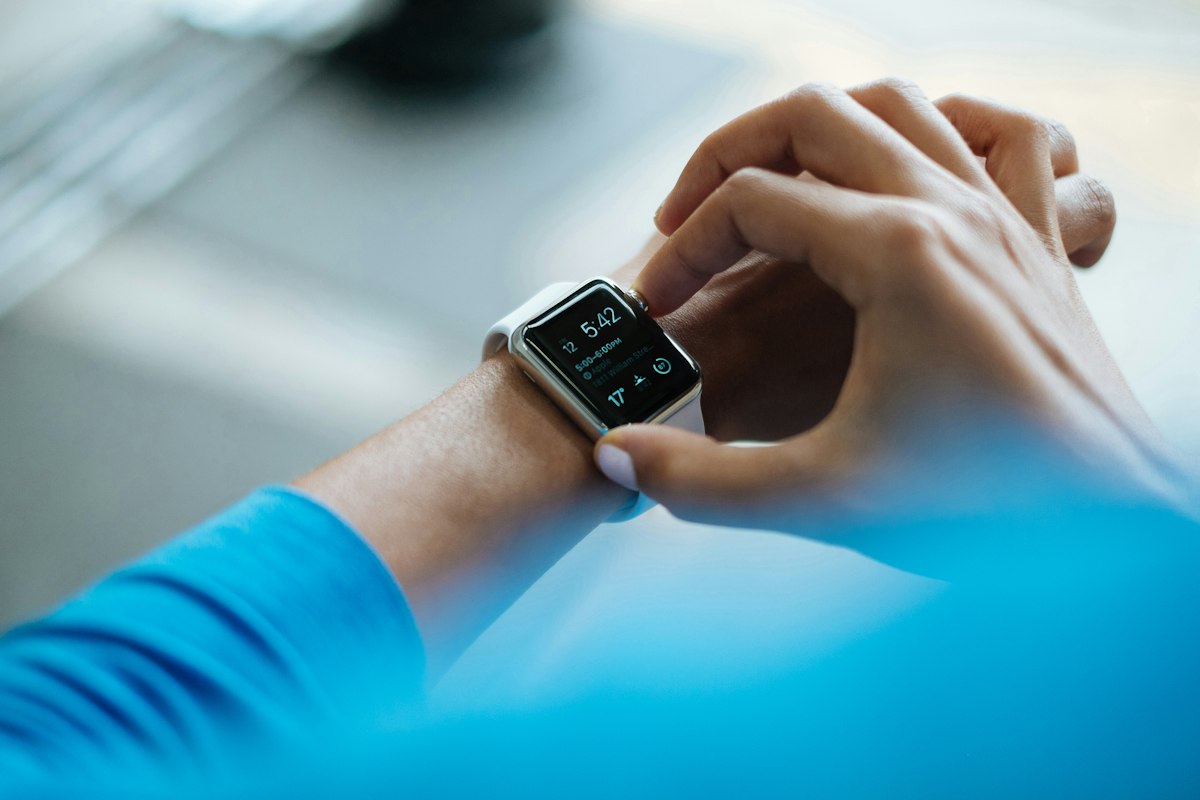
Does NameTag face recognition exist?
Inside the debate over Meta's unreleased NameTag face recognition system and whether the smart glasses feature actually exists.

NameTag face recognition technology has sparked a fierce debate. But what does it actually mean for software to exist? Meta, the company behind the technology, has spent weeks locked in a semantic argument over this face identification system built for its smart glasses. It's easy to clear up the resulting public confusion. Tech observers discovered inactive code for the system in Meta AI, the companion app for Meta Ray-Ban glasses that has been downloaded tens of millions of times. That discovery went public on June 4. So Meta vice president of communications Andy Stone reacted on X by writing that the feature doesn't exist, and the company then removed the code from the companion app the very next day.
The system's digital footprint is well documented. Code for the feature appeared in the application as early as January, and by mid-February reports surfaced that the tech giant was actively developing the system. By May, the core components of the code were present in the companion application. But whether the system existed before the code was deleted depends on how one defines a feature. So a researcher named Buchodi tested the software, reviewed the code, and successfully used the system to recognize a photograph of the face of Michel Foucault, the philosopher who famously wrote about surveillance. It's a clever trick.
Inside the technology and how it works
It's a claim that falls apart under scrutiny. But Meta Chief Technology Officer Andrew Bosworth described the feature in detail on the July 8 episode of The Most Interesting Thing in AI, undercutting the idea that the company had no way of explaining how it works. Host Nicholas Thompson then asked who the system would identify.
"Somebody you met in person with your glasses on who introduced themselves or you said, 'OK, this is David, remember this person.' Only available to you when you’re wearing your glasses this is a person you’ve met before. Here’s their name. They’re right in front of you. That’s what we call a NameTags feature."
Bosworth added he thought it would be a great feature. But spokespeople have repeatedly stressed the conditional nature of the statement when asked about this contradiction. Ryan Daniels highlighted the word "would" in email exchanges, arguing there's no contradiction because the technology isn't available to consumers today. It's not ready yet. Daniels stated the company is exploring the tool to help blind and low-vision community members identify people they have already met, rather than connecting glasses to a central database of everyone in the world.
The reality of the code
The timeline tells a different story. Strip away the corporate messaging, and it's clear the developer team had been building the software since early 2025, during which they licensed face-recognition software, assembled a full detection and matching pipeline, and added it to the companion app running on millions of phones. So don't buy the hype.

Key facts about the system development
- Development of the software began in early 2025.
- The code was integrated into the companion app as early as January.
- Core components of the matching pipeline were fully present in the app by May.
- The code was completely removed on June 5, one day after public reports detailed its presence.
While ordinary users could not access the tool without specialized developer instruments, multiple independent experts found a technically functional system sitting on millions of consumer devices.
The legal battle over biometric databases
One detail matters most. Bosworth confirmed the feature won't rely on a central database, and technical analysis shows the system converts faces captured by the smart glasses into unique numerical signatures called faceprints. But these faceprints aren't sent to a server for a query. Instead, they're compared against a face database stored locally on the user's mobile device, a database that corporate servers populate.
The distinction isn't merely academic. Several state laws, including the Biometric Information Privacy Act in Illinois and Texas' Capture or Use of Biometric Identifier Act, place strict limits on face-recognition technology and require companies to obtain explicit consent before capturing biometric data.
The shadow of past class action lawsuits
The company has expensive experience with these specific legal boundaries. It's a costly lesson. In 2019, it abandoned its automatic Tag Suggestions feature on Facebook after a 5 billion dollar settlement with the Federal Trade Commission over privacy issues, and it also paid a 650 million dollar settlement to the state of Illinois over that same feature. But by keeping the biometric matching on the local device, the company may try to argue it complies with the letter of state laws.
Is this local storage design legally safe? It's a matter of intense dispute. A federal judge allowed a class action against Apple to proceed in 2021, ruling that a company could still possess faceprints stored on users' private devices, and that case was certified as a class action in June 2026. But other courts have accepted the local storage defense. An Illinois panel ruled in 2022 that Apple didn't possess Face ID data stored on devices, and a federal judge dismissed a similar suit against Samsung in 2024 because the manufacturer never accessed the generated face data.
It all comes down to control. Judges ask if the feature is optional, if users can disable it, and whether the company can ever access the data, which often determines the outcome of these court cases. But the company wouldn't answer when asked about opt-in rules, image retention, or their use of licensed third-party face-recognition software.
Frequently Asked Questions
What is NameTag face recognition designed to do according to Meta's CTO?
According to Meta Chief Technology Officer Andrew Bosworth, NameTag face recognition is designed to identify someone you met in person with your glasses on who introduced themselves, and it would only be available to you when wearing your glasses. He described it as a feature to recognize people you have met before and give you their name when they are right in front of you.
Why did Meta executives claim that NameTag face recognition does not exist?
Meta vice president of communications Andy Stone reacted on X by writing that the feature doesn't exist, and the company then removed the code from the companion app the next day after public reports. The company argued that the technology isn't available to consumers today and is not ready yet, with Ryan Daniels highlighting the word 'would' in statements about the feature being a conditional exploration.
How does the NameTag face recognition system technically work according to the article?
The system converts faces captured by the smart glasses into unique numerical signatures called faceprints, but these faceprints are not sent to a server. Instead, they are compared against a face database stored locally on the user's mobile device, a database that corporate servers populate.
When was the core code for NameTag face recognition present in Meta AI's companion app?
The code for the feature appeared in the application as early as January, and by mid-February reports surfaced that Meta was actively developing the system. By May, the core components of the code were present in the companion application, and the code was completely removed on June 5, one day after public reports detailed its presence.
Who successfully tested the NameTag face recognition system, and what did they demonstrate?
A researcher named Buchodi tested the software, reviewed the code, and successfully used the system to recognize a photograph of the face of Michel Foucault. This demonstrated that a technically functional system was sitting on millions of consumer devices, even though ordinary users could not access the tool without specialized developer instruments.
Konrad Weber writes about the security landscape, from emerging threats to the tools that guard against them. He is focused on helping readers understand risk in a connected world.
💬 Comments (0)
No comments yet. Be the first!