AMD Strips TSME From Consumer CPUs
AMD has quietly removed Transparent Secure Memory Encryption (TSME) support from consumer Ryzen processors via firmware.
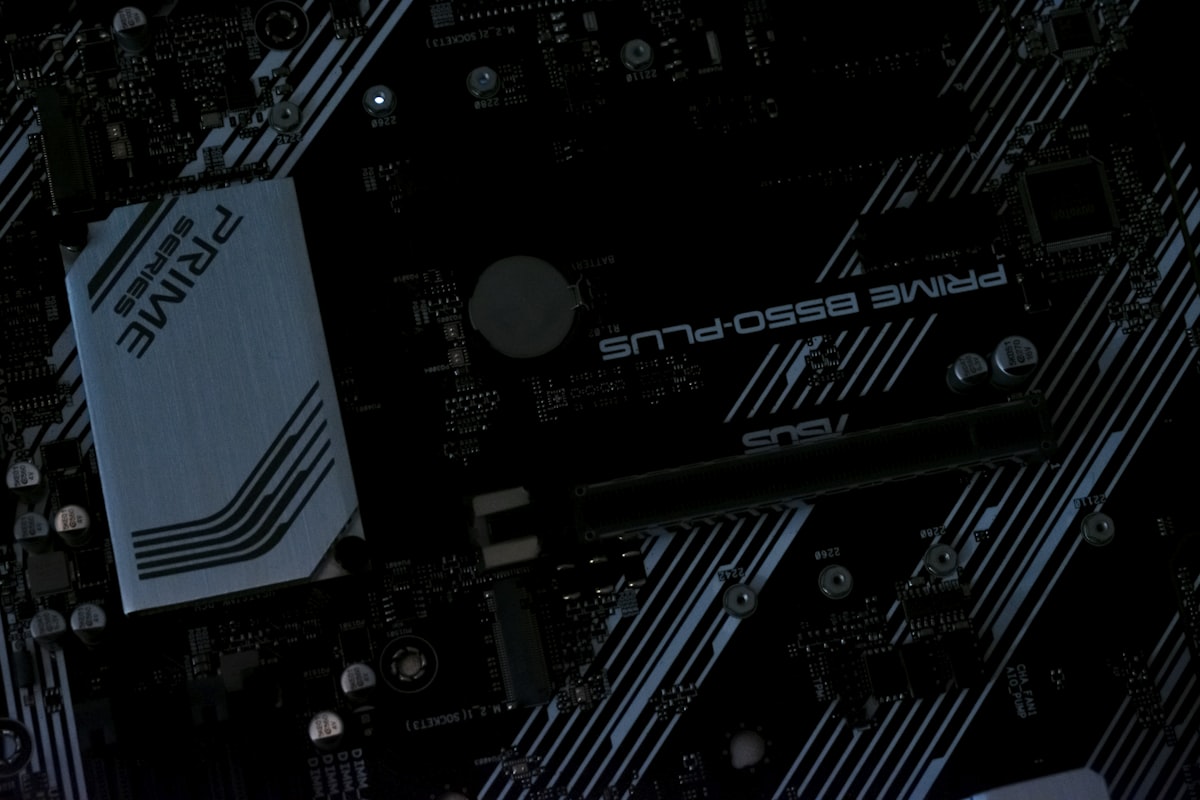
AMD Strips TSME From Consumer CPUs
AMD stripped TSME from its consumer processor lineup. So users who relied on hardware-level memory encryption for protection against physical exploits like cold boot attacks are now left in the dark. But it's gone now, without warning. For years, this feature encrypted a system's entire memory so that data remained inaccessible to anyone with physical access to the hardware, and customers can't believe it vanished.
The Silent Disappearance
Security-conscious users first noticed the change after routine firmware updates.
The problem stems from newer versions of the AMD Generic Encapsulated Software Architecture, specifically version 1.2.7.0. While older firmware allowed the feature to function on consumer-grade chips, this update seemingly deactivated it. Testing conducted by motherboard manufacturer engineers confirmed the discrepancy. Consumer Ryzen chips showed a status of zero for the encryption flag, while Pro versions maintained full functionality under identical conditions.
Hardware Capability Versus Policy
The silicon can still encrypt. But engineers discovered that an internal flag within the boot loader, which initializes hardware security, now returns a negative value for consumer processors. It's a point of contention whether this is an intentional policy shift or an accidental regression.

- TSME is a firmware-managed security feature.
- It protects against cold boot exploits and memory module removal.
- No change needed.
- Pro series processors retain full support for the feature.
- Internal flags confirm the encryption process is now disabled on consumer SKUs.
Unanswered Technical Questions
Direct inquiries to the chipmaker yielded little clarity. Representatives said the feature is for Pro technologies only. But this marks the first time such a restriction has been explicitly communicated to the public, and engineers tasked with addressing bug reports were unable or unwilling to provide specific details regarding the change, often directing users back to motherboard vendors instead.
No change needed.
Impact On Longtime Users
Many users feel blindsided by the shift. Over the years, the feature worked reliably on consumer hardware, and that consistent performance led many to view it as a standard part of their system security. But the lack of clear communication has frustrated those who depend on these protections to guard sensitive information from physical tampering. It's a messy situation.
Security Expectations Dashed
The distinction between firmware-managed and OS-managed encryption is significant. Other forms of memory protection exist, but the firmware-managed variety operates silently without requiring active management from the operating system, and it's considered the most practical tool for general users concerned about physical device security. That's it.
A Call For Transparency
Experts suggest the company should offer a formal explanation, regardless of whether the removal was intended or not. So they must provide clarity. It would help users understand their current threat model and decide whether to keep older firmware versions to maintain system protection, and that's a key step for many. But for now, the silence from the manufacturer leaves the community to speculate on the future of security features for consumer-grade silicon.
Frequently Asked Questions
What feature did AMD remove from its consumer CPUs?
AMD removed TSME (Transparent Secure Memory Encryption), a hardware-level memory encryption feature, from its consumer processor lineup. This feature encrypted a system's entire memory to protect against physical exploits like cold boot attacks.
Who discovered the issue that TSME was no longer supported?
Ben Kilpatrick, a Linux hobbyist, discovered the issue while running an auditing feature meant to verify hardware security. He found that even with the setting enabled in the BIOS, his system reported that encrypted RAM was no longer supported.
Why did the article suggest the removal might be intentional or accidental?
Engineers discovered that an internal flag within the boot loader, which initializes hardware security, now returns a negative value for consumer processors. This is a point of contention, as the silicon can still encrypt, but the flag disables it on consumer SKUs while Pro versions maintain full functionality.
How did AMD respond to inquiries about the TSME removal?
AMD representatives said the feature is for Pro technologies only, marking the first time such a restriction has been explicitly communicated to the public. Engineers tasked with addressing bug reports were unable or unwilling to provide specific details and often directed users back to motherboard vendors.
What do experts suggest AMD should do regarding the TSME removal?
Experts suggest that AMD should offer a formal explanation, regardless of whether the removal was intended or not, to provide clarity. This would help users understand their current threat model and decide whether to keep older firmware versions to maintain system protection.

Konrad Weber writes about the security landscape, from emerging threats to the tools that guard against them. He is focused on helping readers understand risk in a connected world.
💬 Comments (0)
No comments yet. Be the first!