Wales' Environmental Drought Shifts Water Policy
Natural Resources Wales signals an imminent environmental drought as low river flows force new resource management strategies.
Monitoring the Ecological Baseline
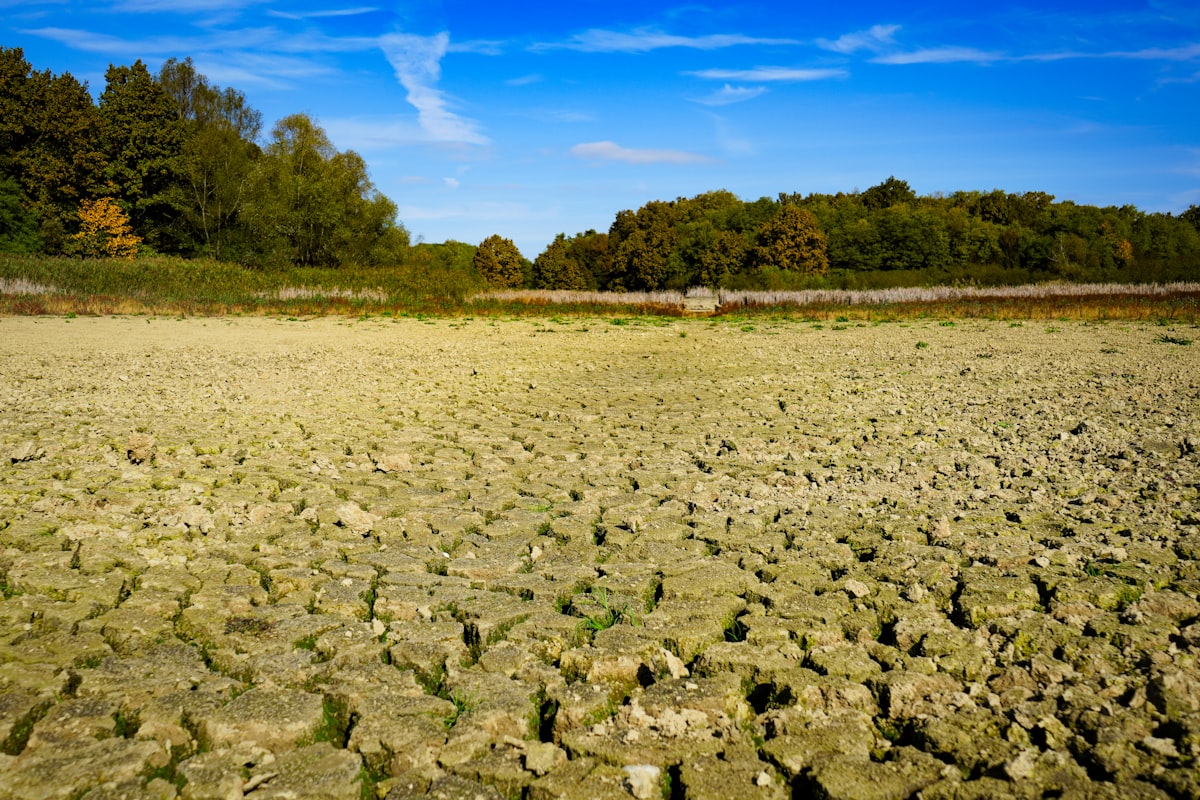
The move toward an official declaration of environmental drought highlights a strategic transition in how authorities manage watercourses. Unlike household supply constraints, this category addresses the health of the ecosystem, encompassing groundwater levels, river flows, and the survival of protected species. It creates a formal framework for intervention that prioritizes biodiversity before systemic failures occur. This approach forces a more granular level of oversight. By shifting status to prolonged dry weather, agencies are now triggering enhanced monitoring and checking of sensitive sites. This is not a reactive measure but a structural attempt to mitigate long term habitat loss.The Strategy of Managed Flows
River management has become a balancing act between competing demands. To maintain functionality in affected areas, additional water is currently being released from reservoirs into key rivers including the Clwyd, Wye, Severn, and Dee. This active intervention illustrates the reliance on stored reserves to prop up failing ecosystems. Yet, this strategy has clear physical limits. As noted by Huwel Manley, head of operations for south west Wales, the recovery of these systems will be a slow process even if rain returns. The following indicators define the severity of the current situation:- River temperatures reaching as high as 28C, creating lethal conditions for aquatic life.
- Increased oxygen depletion and migration restrictions for species like salmon.
- Agricultural pressures where private boreholes and natural springs are drying up.
- Early onset of autumnal color changes in trees, indicating physiological stress.
Conflicting Demands on Water Resources
The tension between environmental needs and operational water supply is becoming more visible. While some regions face strict usage bans, these are distinct from the warnings issued by environmental regulators. The divide centers on the difference between the capacity of treatment works to serve households and the health of the natural riverbed. This creates a complicated communication challenge. As Gail Davies-Walsh of Afonydd Cymru suggests, public frustration regarding infrastructure issues can obscure the immediate necessity of conservation for wildlife. Aligning public cooperation with environmental strategy is now a major hurdle for those managing these assets.But we've really got to think about the fact that our water usage is directly impacting the flow in our rivers and directly impacting fish and other wildlife's survival. "We really need to do our little bit to protect them.
Adaptation Within the Agricultural Sector
The impact of these conditions extends deep into the agricultural sector, where farmers are forced into unprecedented shifts in practice. With fields described as bone dry, the normal cycle of crop production has been disrupted, leading to early harvests and lower yields. Livestock management is similarly strained, with producers relying on stored feed due to the failure of grazing resources. The strategy for long term survival is shifting toward self sufficiency. Growers are increasingly looking to collect their own water to mitigate the unpredictability of the climate. This adaptation is a necessary response to the reality that current environmental drought conditions are forcing change at the farm gate.Future Resilience and Environmental Policy
Looking ahead, the policy framework is likely to emphasize more rigorous demand management and flexible allocation of resources. The path forward requires a deeper integration of ecological data into management decisions. If the current trend of dry springs and hot summers continues, the criteria for declaring a crisis will likely evolve to become more integrated with real time biological indicators. The goal is to stabilize the natural systems before they reach a point of irreversible degradation. Future policy will be defined by the capacity to balance these competing requirements while maintaining the integrity of the broader water network.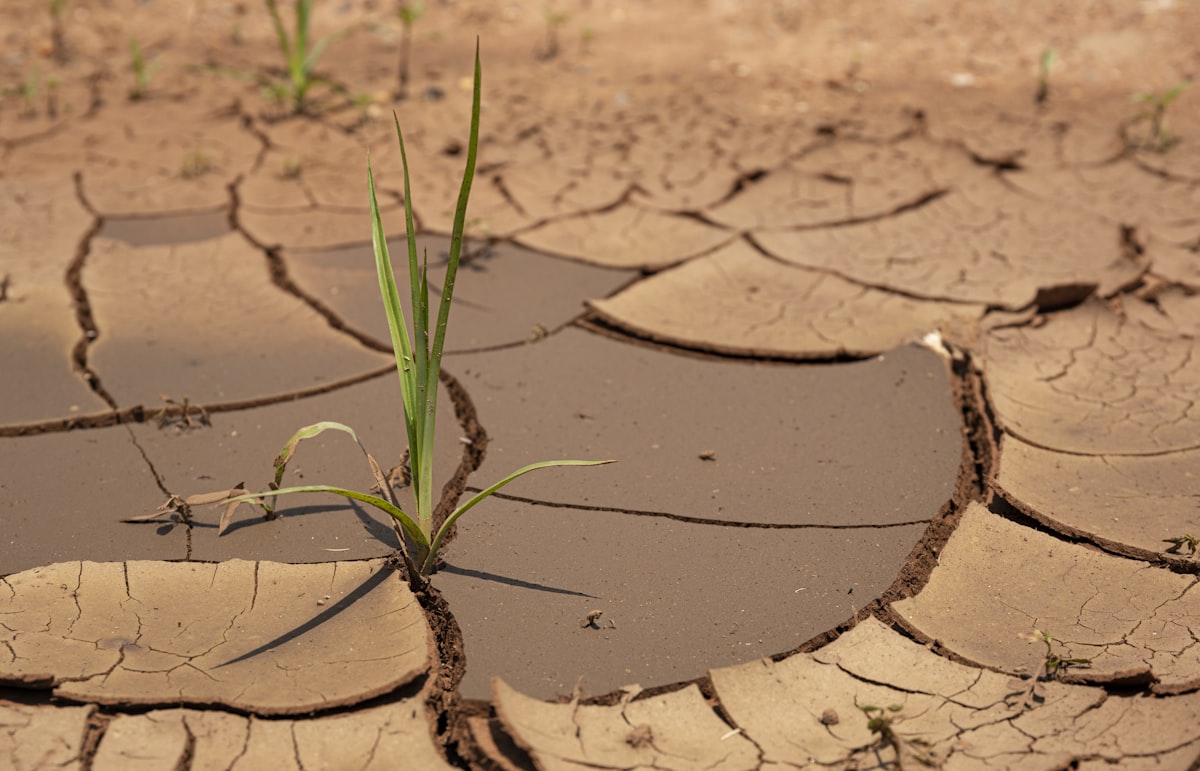
Frequently Asked Questions
What is an environmental drought according to the article?
An environmental drought addresses the health of the ecosystem, encompassing groundwater levels, river flows, and the survival of protected species. Unlike household supply constraints, it creates a formal framework for intervention that prioritizes biodiversity before systemic failures occur.
Why are additional water releases happening in rivers like the Clwyd, Wye, Severn, and Dee?
Additional water is being released from reservoirs into these key rivers to maintain functionality in affected areas. This active intervention illustrates the reliance on stored reserves to prop up failing ecosystems.
How are farmers adapting to the current environmental drought conditions?
Farmers are forced into unprecedented shifts in practice, including early harvests and lower yields due to bone-dry fields. They are increasingly looking to collect their own water to mitigate the unpredictability of the climate, shifting toward self-sufficiency.
When was rainfall recorded at just 5% of the seasonal average, contributing to the drought?
Rainfall for July was recorded at just 5% of the seasonal average. This exceptionally low rainfall, combined with back-to-back heatwaves, has driven river levels to approach historic lows.
Who highlighted the public frustration regarding infrastructure issues obscuring conservation needs?
Gail Davies-Walsh of Afonydd Cymru suggested that public frustration regarding infrastructure issues can obscure the immediate necessity of conservation for wildlife. She emphasized that water usage directly impacts river flow and fish and wildlife survival.

Eva Koch writes about scientific research and the people behind it, covering the studies and breakthroughs shaping our understanding of the world. She values curiosity and careful evidence in equal measure.
💬 Comments (0)
No comments yet. Be the first!