The Rise of Problematic News Consumption
As Problematic News Consumption rises, cognitive science reveals how human brains struggle with constant global news.
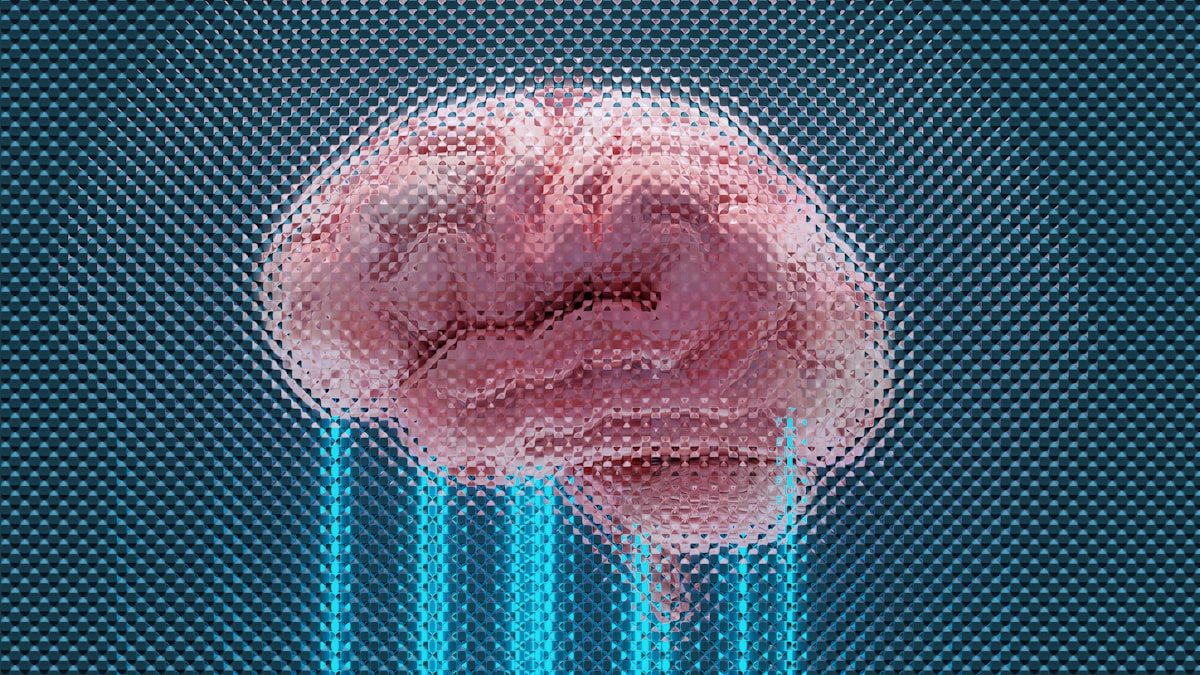
Problematic News Consumption is now a major focus for science funders and behavioral health policy makers trying to understand how modern information distribution affects human biology. Strip away the marketing. It's straightforward. The human brain operates on cognitive architecture designed thousands of years ago for local survival, but it now must process a globalized flow of threats, and this mismatch between evolutionary design and modern media exposure is driving systemic cognitive fatigue across populations. So research funders and public health strategists see this systemic strain pointing to a growing need for interventions that go beyond simple digital detoxification. We can't ignore the biological reality. The challenge lies in addressing how humans process threatening information.
The evolutionary roots of negative bias
Our cognitive architecture was shaped by a single evolutionary problem: to stay alive long enough to reproduce. It's simple. Ancestors who paid immediate attention to a rustle in the grass survived at higher rates than those who ignored potential threats, so this established the negativity bias. This bias is a well-documented cognitive pattern where the human mind weighs negative information more heavily than positive, registers it faster, and retains it longer. The cost of missing a real threat was death, but the cost of overreacting was merely a few minutes of vigilance. And today, the brain hasn't changed, yet the volume of threat monitoring has expanded exponentially.
Historically, our nervous system faced only local threats. A neighboring tribe, a dry season, or the illness of a known child comprised the daily cognitive load. Information from distant regions rarely arrived, and when it did, it carried little relevance to immediate survival. But in 2025, the same neurological system is being asked to absorb a war in one region, a financial shock in another, a climate disaster in a third, and a violent crime in a fourth, all before lunchtime. It's activated before the conscious mind can even determine if the threat is personally relevant.
Quantifying the impact of Problematic News Consumption
Problematic News Consumption describes a clinical framework where news engagement leads to preoccupation, physiological dysregulation, and disruption to daily functioning. It's not about civic apathy or personal weakness. This is a predictable response of a human brain meeting an environment it was never designed to handle, and data reveals the deep reach of this condition across populations.

- A study of American adults found that 17 percent qualified as having severe levels of Problematic News Consumption.
- Among the group with severe levels, 61 percent reported feeling physically unwell quite a bit or very much.
- In comparison, only 6 percent of those without severe levels reported similar physical symptoms.
- Globally, 40 percent of people report that they at least sometimes or often avoid the news because it puts them in a bad mood or leaves them feeling powerless.
Market Context: According to the Reuters Institute's Digital News Report, an average of 42 percent of respondents from 48 countries reported in 2026 that they sometimes or often actively avoid the news.
The mechanics of click-through exploitation
Modern information systems profit from evolutionary vulnerabilities. A study analyzing more than 105,000 headlines viewed nearly six million times demonstrated that each additional negative word in a headline increased click-through rates, but positive words had the opposite effect. So this creates a commercial incentive to deliver emotionally loaded, negative framing to capture attention. It's a system that strains human biological systems with constant threat-scanning.
Unequal cognitive loads on minority groups
The impact isn't distributed equally. So for minority populations and racialized communities, such as immigrants, the cognitive load is often much heavier because witnessing harm directed at one's own group repeatedly can cause major psychological damage, even when the individual isn't the immediate target. But choosing to look away is much harder to execute when the news directly concerns their country of origin. It's exhausting.
Why simple avoidance fails as a strategy
Opting out isn't viable. From a competitive standpoint, avoiding the information ecosystem fails as a solution for public health or democratic stability, and a functioning society depends on informed citizens, so withdrawing from verified channels creates new vulnerabilities. Many adults already identify misleading information as a major stress source. Avoidance deepens this. It leaves individuals vulnerable to low-quality, sensationalized content that finds them regardless of their active search habits, so the strategic focus must shift from avoidance to conscious management of the intake structure.
We're wired to pay more attention to bad news. That kind of content will find its way to us one way or another, so the fix is to manage both the consumption and the sources.
Managing this exposure demands distinct behavioral shifts. Science policy makers and digital health platforms are starting to evaluate them. So contain your news consumption to specific, defined windows of time. That reduces the constant feeling of being overwhelmed. Choosing depth over volume also changes cognitive processing since one carefully reported long-form article informs a reader far better than rapid bursts of random, emotionally loaded social media posts. Additionally, distinguishing between information and action helps regulate the stress response. It's about identifying even a small action you can take to close the gap between awareness and agency.
Future directions for behavioral health research
De-escalating the engagement economy
It's a trap we're all wired to fall into. Social media platforms frequently utilize rage bait , intentionally provocative messages designed to boost engagement by triggering negative emotional reactions , and recognizing this tactic allows users to establish critical cognitive distance. But understanding it isn't enough. Funding for research into digital literacy must focus on how users can identify these behavioral traps in real time.
Adapting the human-information interface
The news environment won't cool off soon. But we can redesign our media habits to be more deliberate. It's a choice, not a given. The human brain wasn't built for this globalized input scale, yet it's highly adaptable and capable of learning new ways to cope with the overwhelming stream of information. Future behavioral science and consumer psychology research will focus on building tools and consumption models that protect mental health while preserving critical information flow. So policymakers and healthcare investors who grasp these dynamics are positioning themselves for a healthier, sustainable information ecosystem.
Frequently Asked Questions
What is Problematic News Consumption according to the article?
Problematic News Consumption is described as a clinical framework where news engagement leads to preoccupation, physiological dysregulation, and disruption to daily functioning. It is a predictable response of the human brain meeting an environment it was never designed to handle.
Why does the human brain have a negativity bias that contributes to Problematic News Consumption?
The negativity bias evolved because ancestors who paid immediate attention to threats, such as a rustle in the grass, survived at higher rates than those who ignored potential dangers. This cognitive pattern causes the mind to weigh negative information more heavily, register it faster, and retain it longer, making modern news consumption particularly impactful.
How does the article suggest managing Problematic News Consumption?
The article suggests containing news consumption to specific, defined windows of time to reduce feelings of being overwhelmed, and choosing depth over volume by reading carefully reported long-form articles instead of rapid social media posts. It also recommends distinguishing between information and action to regulate stress responses.
What percentage of American adults have severe levels of Problematic News Consumption according to the study mentioned?
The study found that 17 percent of American adults qualified as having severe levels of Problematic News Consumption. Among this group, 61 percent reported feeling physically unwell quite a bit or very much.
Who is Dr. Ali Jasemi and what does he say about managing news consumption?
Dr. Ali Jasemi is identified as a Research Scientist and Developmental Psychologist. He states that we are wired to pay more attention to bad news, and that kind of content will find its way to us regardless, so the fix is to manage both the consumption and the sources.
Eva Koch writes about scientific research and the people behind it, covering the studies and breakthroughs shaping our understanding of the world. She values curiosity and careful evidence in equal measure.
💬 Comments (0)
No comments yet. Be the first!