Bumblebee facial movements and inner life
New research shows buff-tailed bumblebees may have an inner life, using tongue movements to show when they enjoy sugar.
Bumblebee facial movements show they have an inner life
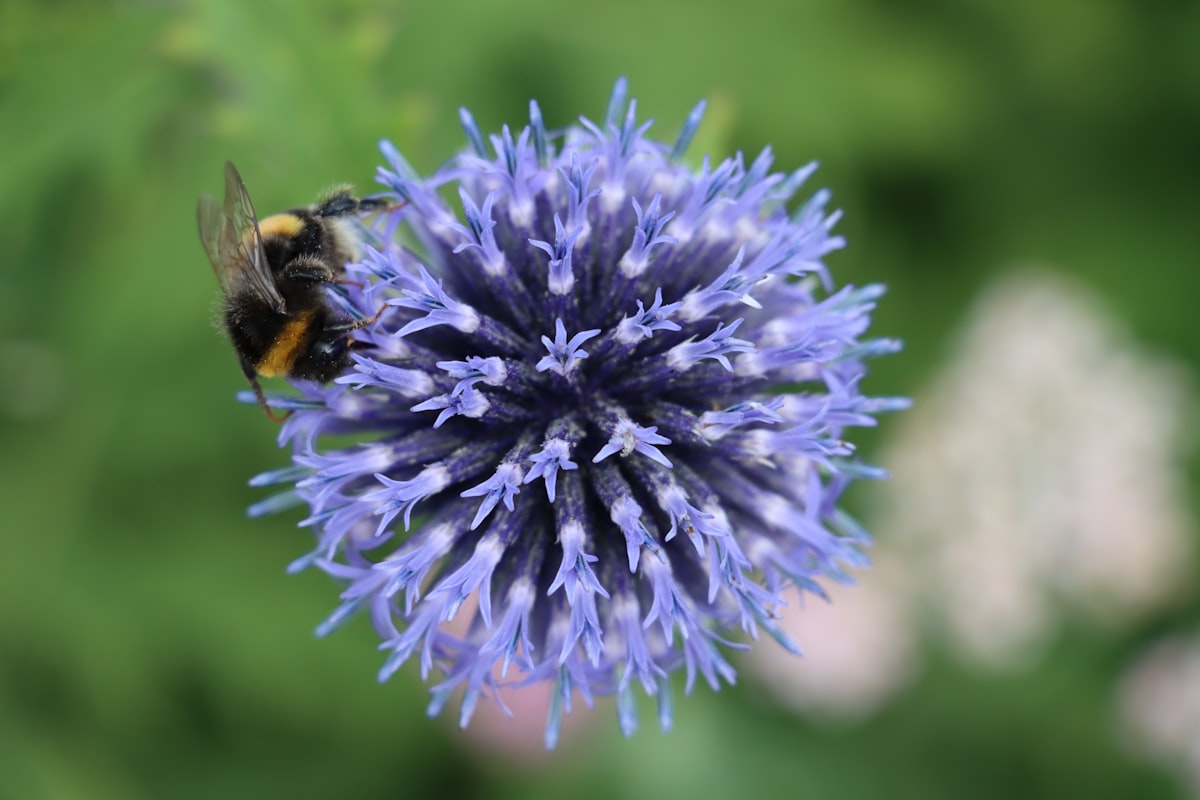
Bumblebee facial movements are giving scientists a window into how these insects perceive their world. Insects aren't mindless. For a long time, we viewed them as little more than biological machines running on fixed programs, but that view is changing fast because we assumed they were incapable of complex internal states or emotions. So we've been wrong.
Researchers at Macquarie University in Sydney are testing whether bees possess subjective experiences, and the core challenge is how to read an insect that lacks the flexible facial muscles mammals use to signal joy or sadness. But bees have a hard body and a mask of a face. This makes observing their internal state difficult.
Watching the glossa in action
And here's the kicker: they used high-resolution video. Andrew Barron and his team tracked the behavior of buff-tailed bumblebees, offering them sugar water, salt, and bitter quinine to see how they'd react.
Here is what the experiment revealed about their physical reactions:
- Bees repeatedly stuck out their glossa, a hairy tongue used for lapping nectar, after tasting sugar.
- After encountering salty or bitter samples, the bees wiped their mouths and shook their heads.
But these physical acts might just be a response to the chemicals themselves. So the researchers changed the stakes to see if there was something deeper,they mixed sugar with small amounts of salt and watched how the bees would adjust. It's a clever test.
Changing states and changing minds
Heat dehydrated the bees at 40 degrees Celsius. But once dehydrated, they reacted to the previously unappealing salty droplets by protruding their glossa, a shift in behavior that suggests the bees were evaluating the drink based on their current physical needs. It's a change.
If I just handed you an electrolyte drink right now, you would probably think that actually tastes pretty foul. But if you had just come back from a long run and I handed you an electrolyte drink, you would think that is fantastic. It is because your internal state has changed, and that internal state is changing your evaluation of things. That is what we think we are seeing in the bees, says Andrew Barron at Macquarie University.
This isn't just a chemical reaction. It's a sign of subjective experience, suggesting that bees are assessing the world around them based on their own internal status rather than simply responding to external stimuli.
Dopamine versus endocannabinoids
But they didn't stop there. To dig deeper, the researchers looked at how brain chemistry influences these actions and then tested how different substances changed the way bees reacted to food. This provided more clues about the bumblebee facial movements and their motivations.
Testing the limits of motivation
The bees didn't increase their tongue protrusions when treated with dopamine. But this was surprising because dopamine is linked to the motivation to seek food in mammals, suggesting that their drive to find food might have increased while their enjoyment signal stayed steady. So it's a puzzle.
Liking versus wanting
The researchers switched to endocannabinoids. It's a chemical that boosts food enjoyment in mammals, and for the bees, this treatment led to more frequent glossa protrusions. But the results shifted dramatically. This suggests that scientists have successfully disentangled the concepts of wanting food and actually liking it.
What this means for your view of insects
Bees are evaluating their environment. It's not just automated commands running behind those mask-like faces, and these findings reveal that something is genuinely happening inside them. But we shouldn't equate this to human or mammal emotions. Bees have a genuine inner life.
Ralph Adolphs at the California Institute of Technology notes that this research shows bees represent the value of taste in a flexible manner, a sophisticated cognitive ability for such small creatures. So he suggests we should think of these as bee emotions rather than mammal emotions. Don't underestimate the insects living around us.
The verdict
We're entering a new era. By using high-frame-rate video and modern techniques, we are finally seeing the nuance in behaviors that have been overlooked for decades, and the humble bee is proving to be a much more sophisticated creature than we ever imagined. But it's a simple truth.
Frequently Asked Questions
What did researchers at Macquarie University use to observe bumblebee facial movements?
Researchers used high-resolution video to track the behavior of buff-tailed bumblebees. They offered the bees sugar water, salt, and bitter quinine to see how they would react.
How did bumblebees react to salty or bitter samples in the experiment?
After encountering salty or bitter samples, the bees wiped their mouths and shook their heads. This contrasted with their reaction to sugar water, where they repeatedly stuck out their glossa.
Why did dehydrated bees start protruding their glossa to salty droplets?
Heat dehydrated the bees at 40 degrees Celsius, and afterward they reacted to previously unappealing salty droplets by protruding their glossa. This shift suggests the bees were evaluating the drink based on their current physical needs.
What did the researchers find when they treated bees with dopamine?
Bees did not increase their tongue protrusions when treated with dopamine, which was surprising because dopamine is linked to motivation to seek food in mammals. This suggested their drive to find food might have increased while their enjoyment signal stayed steady.
According to Ralph Adolphs, how should we think of bee emotions?
Ralph Adolphs notes that this research shows bees represent the value of taste in a flexible manner, a sophisticated cognitive ability. He suggests we should think of these as bee emotions rather than mammal emotions.

Eva Koch writes about scientific research and the people behind it, covering the studies and breakthroughs shaping our understanding of the world. She values curiosity and careful evidence in equal measure.
💬 Comments (0)
No comments yet. Be the first!