Tianwen-2 Probe Images Quasi-Moon Kamo'oalewa
China's Tianwen-2 spacecraft has captured the first close-up images of Kamo'oalewa, a quasi-moon of Earth, revealing challenges.
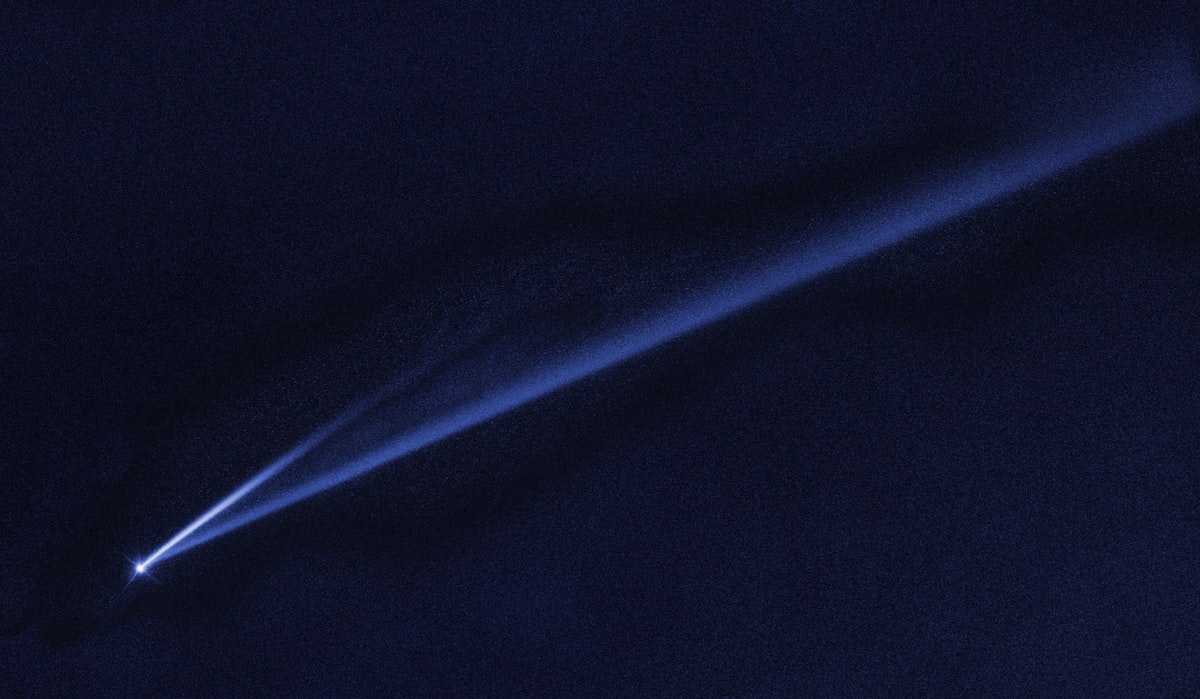
Kamo'oalewa captured in first close-up imagery
Kamo'oalewa has finally come into focus. It's a mysterious quasi-moon, an asteroid that trails Earth in a complex dance around the sun, and it was recently photographed by the Tianwen-2 spacecraft. This arrival marks a major milestone for the mission. The probe traveled 600,000 miles over 400 days to reach its target, and it likely entered orbit around the object on June 7, following a launch from the Xichang Satellite Launch Center on May 28, 2025. So we've got a clear view now.
A difficult target for sampling
The mission objectives are ambitious.
Technical challenges for the mission
There's a big problem. Initial analysis of the site reveals a lack of flat surfaces for a touchdown, so the standard anchor and drill techniques once considered for the landing appear increasingly impractical. The mission team is facing a high level of technical complexity that threatens to derail original plans. But one detail is worth pausing on. The probe was expected to begin sampling operations around July 4, but no such activity has been confirmed yet, and this delay suggests that scientists are actively reconsidering their approach to the surface.

The mission objectives
- The probe will collect data on internal structure and material composition.
- Future operations aim to return samples to Earth by November 2027.
- The capsule will reenter the atmosphere at approximately 27,000 mph.
- Success would make China the third nation to return asteroid material.
Uncovering the origin of the quasi-moon
Kamo'oalewa fascinates scientists. For years, researchers have debated whether this rock is a wandering asteroid or a fragment of our own moon knocked loose by an ancient impact, and answering that question remains a primary goal for the mission. But confirmation of a lunar origin would fundamentally change our understanding of the history of the Earth-moon system. It’s a big deal.
I am curious to find out the answer about its origin, since the debate on its potential lunar origin is still very open.
Marco Fenucci of the European Space Agency said it. This sentiment explains why scientists watch so closely. But if the probe succeeds in returning samples, those materials should provide a definitive answer to the long-standing mystery of where this object came from, so we can't wait to see what they reveal.
The road ahead
The long-term schedule for the spacecraft is already set, but for now the focus remains entirely on the risks and rewards of interacting with this small, fast-spinning rock that's currently serving as the mission's primary subject. That's the next phase. Once the current mission concludes near Earth, the probe will use a gravity assist to travel deeper into the solar system, and by 2035 it's scheduled to arrive at 311P/PanSTARRS. We can't look past it just yet. This secondary target, which displays characteristics of both comets and asteroids, represents a long journey ahead.
Frequently Asked Questions
What is Kamo'oalewa?
Kamo'oalewa is a quasi-moon, an asteroid that trails Earth in a complex dance around the sun. It was recently photographed by the Tianwen-2 spacecraft, marking a major milestone for the mission.
Why are mission planners concerned about the landing on Kamo'oalewa?
Initial imagery revealed that Kamo'oalewa is unexpectedly small, roughly 130 feet across, and is a loosely packed rubble pile. This poses unique dangers to the landing equipment, and the lack of flat surfaces makes standard anchor and drill techniques impractical.
How did the Tianwen-2 probe reach Kamo'oalewa?
The probe traveled 600,000 miles over 400 days to reach its target. It was launched from the Xichang Satellite Launch Center on May 28, 2025, and likely entered orbit around Kamo'oalewa on June 7.
When are samples expected to be returned to Earth?
The mission aims to return samples to Earth by November 2027. The capsule will reenter the atmosphere at approximately 27,000 mph, and success would make China the third nation to return asteroid material.
Who expressed curiosity about Kamo'oalewa's potential lunar origin?
Marco Fenucci of the European Space Agency said the debate on its potential lunar origin is still very open and that he is curious to find out the answer. Confirmation of a lunar origin would fundamentally change our understanding of the Earth-moon system.

Victor Holm reports on science and discovery, with a particular interest in physics, biology and the questions that drive research forward. He looks for the wonder in how the world works.
💬 Comments (0)
No comments yet. Be the first!