Melanoma Immunotherapy Pioneer Wins Top Australian Science Prize
Prof Georgina Long, recognized for her work improving melanoma survival rates with immunotherapy, was among the winners of Australia's Prime Minister's Prizes for Science.
Melanoma Immunotherapy Pioneer Wins Top Australian Science Prize
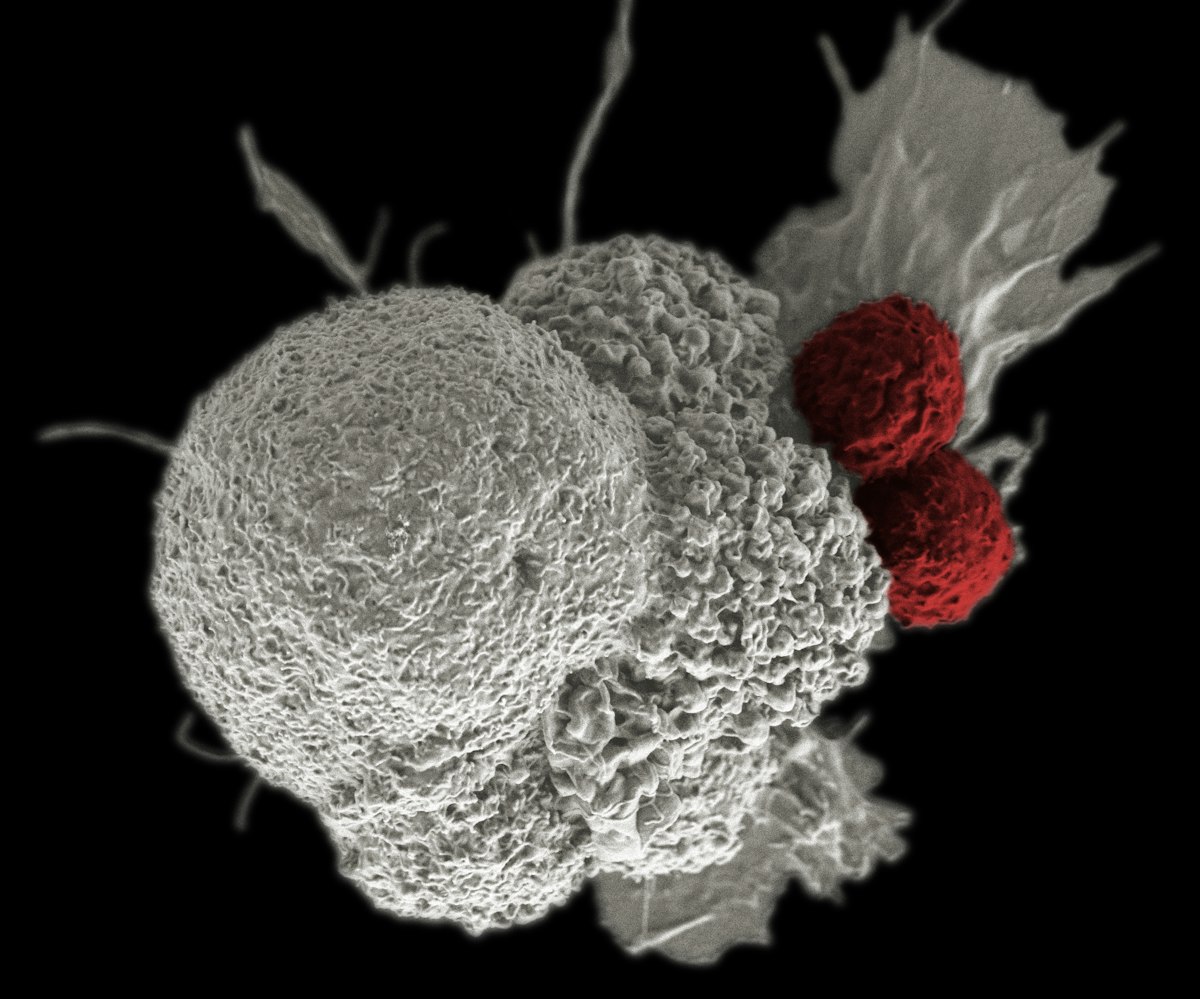
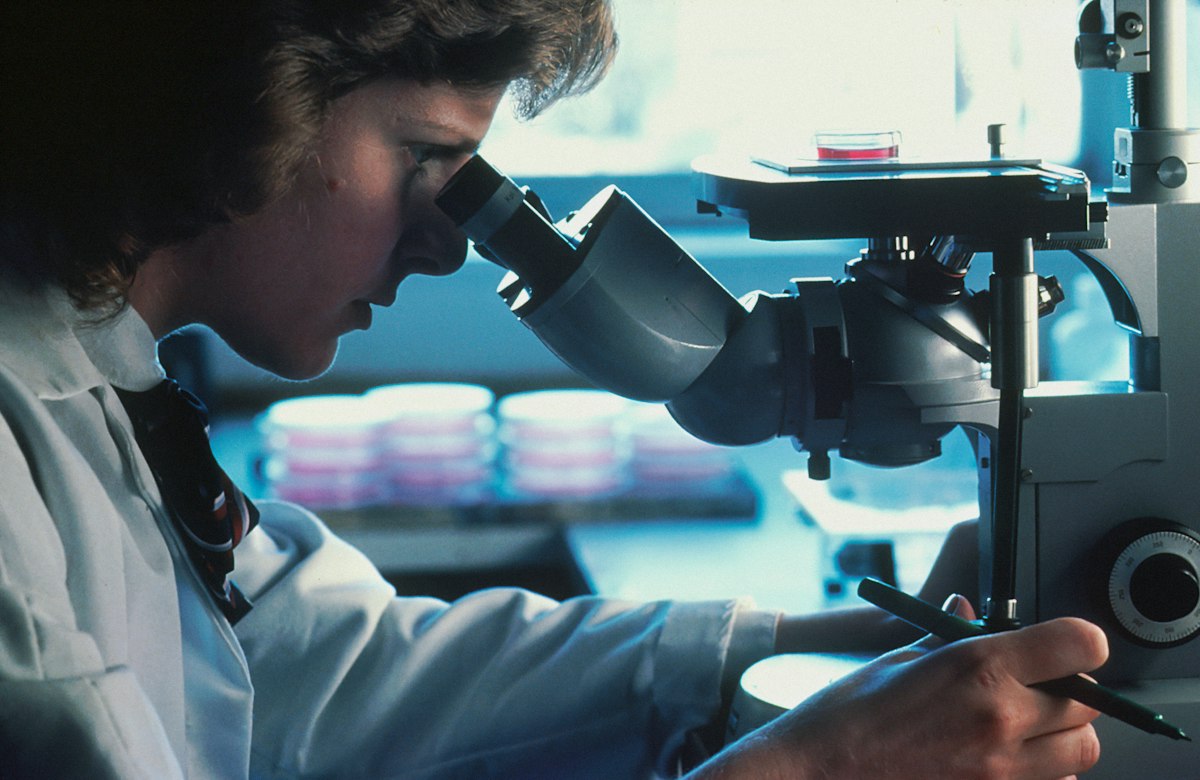
Professor Georgina Long won. Australia's top science prize. It's for her melanoma immunotherapy research, which has dramatically improved survival rates for patients with advanced melanoma, a truly significant achievement in medical science. The Prime Minister's Prizes for Science, presented on Tuesday night, also recognized subatomic physicist Professor Anthony Thomas for his contributions to understanding the fundamental nature of matter.
Professor Long, who is the oncologist and medical director at Melanoma Institute Australia, described her early career facing stage 4 melanoma patients as a period where her waiting room would “change so rapidly.” She noted that patients often wouldn't survive beyond nine to twelve months. This bleak outlook has been fundamentally altered by advancements in treatment, with Professor Long’s research at the forefront of this change. “We’ve flipped that … now over 50% of people are cured with melanoma that once was almost universally terminal,” she stated.
Revolutionising Cancer Survival
Her pioneering work in melanoma immunotherapy has directly led to the development of effective drug therapies. These innovations achieved a tenfold increase in five-year survival rates for individuals diagnosed with stage 4 melanoma, a remarkable testament to her dedication and scientific acumen. This major achievement was a key factor in her selection for the $250,000 Prime Minister's Prize. It's truly astounding.
A Collective Honour
Professor Long expressed that the award, while presented to her, truly belongs to a vast network of individuals. She acknowledged her colleagues, international research collaborators, and, most importantly, the patients who participated in her studies. “Although it’s awarded to me, it really does belong to a lot of people,” she said. Her contributions have not only impacted melanoma treatment but have also set a precedent for other cancers, as immunotherapy saw its first major successes in melanoma research. “Immunotherapy started in melanoma, that’s the cancer that set the bar.”
"We’ve flipped that … now over 50% of people are cured with melanoma that once was almost universally terminal." Professor Georgina Long
Recently, Professor Long shared the results of a clinical trial for intisomeran, a personalised mRNA-based melanoma vaccine. This trial indicated a marked reduction in the risk of cancer recurrence or death within two years for patients receiving the treatment. This research marks a major milestone as the first time an individualized cancer vaccine has demonstrated positive outcomes in a phase 3 clinical trial. Despite these advancements, Professor Long remains focused on the challenges ahead. “It’s taken decades to try to outsmart cancer,” she reflected. “It’s still difficult, we’re not curing the other 50% [of melanoma]. We’ve got a lot of work to do.”
Beyond Melanoma: Other Scientific Achievements
The Prime Minister’s Prizes for Science also honoured other leading Australian researchers across various disciplines. Professor Anthony Thomas, a subatomic physicist from the University of Adelaide, received a prize for his work that has fundamentally reshaped our understanding of protons, dark matter, and neutron stars, offering insights into the mysteries of the cosmos. His theoretical "cloudy bag model" has spurred experimental investigations globally, including those aimed at interpreting the outcomes of complex quantum chromodynamics calculations performed on supercomputers.
Innovation and Sustainability Recognised
In the realm of innovation, Professor Mark Smythe of the University of Queensland was awarded for his entrepreneurial efforts. As a co-founder of six biotechnology firms, Professor Smythe has successfully translated Australian research into approved medications for conditions such as psoriasis and polycythaemia vera, a slow-growing blood cancer.
Associate Professor Fengwang Li from the University of Sydney received the Malcolm McIntosh prize for physical scientist of the year. His expertise lies in converting carbon emissions into clean energy and sustainable manufacturing materials. Professor Li made a major breakthrough by resolving a long-standing international obstacle known as the 'carbonate paradox' in carbon capture, which previously led to captured carbon dioxide escaping back into the atmosphere as carbonate salts.
- Professor Georgina Long: Pioneering melanoma immunotherapy, improving survival rates 10-fold for stage 4 patients.
- Professor Anthony Thomas: Advancing understanding of protons, dark matter, and neutron stars.
- Professor Mark Smythe: Co-founder of biotech companies, bringing Australian research to approved medicines.
- Associate Professor Fengwang Li: Solving the 'carbonate paradox' in carbon capture for clean energy.
The Prime Minister’s Prizes for Science, now in their 27th year, represent Australia’s highest accolades for scientific achievement in research, innovation, teaching, and the preservation of Indigenous knowledge systems. The Minister for Science, Tim Ayres, highlighted that the awards celebrate the diverse contributions of Australian scientists whose work enhances the nation's scientific capabilities. “This year’s recipients demonstrate the extraordinary breadth and depth of Australian science, and I congratulate each of them,” Ayres commented.
```
Nadia Petrov covers science and research across disciplines, from the laboratory to the field. She enjoys making discovery accessible and showing why new findings matter.
💬 Comments (0)
No comments yet. Be the first!