Northeastern Arizona Indian Water Rights Settlement Act
A $5 billion water infrastructure plan for three tribes is stalled by Upper Basin states over water leasing concerns.
Northeastern Arizona Indian Water Rights Settlement Act faces uncertainty
The Northeastern Arizona Indian Water Rights Settlement Act represents a massive effort to finally secure water for three specific tribes. It aims to resolve the largest outstanding claim on the Colorado River. The deal is currently stalled in Congress.
The human cost of the stalemate
For many residents, this legislative battle isn't about abstract policy. It's about basic daily survival. Families in these communities often lack indoor plumbing, so some people must drive miles to collect untreated water from livestock wells, and they rely on portable toilets because they have no running water in their homes.
Key goals of the legislation
- Resolve the largest outstanding Colorado River water claim
- Provide about 5 billion dollars for water infrastructure
- Create a formal reservation for the San Juan Southern Paiute
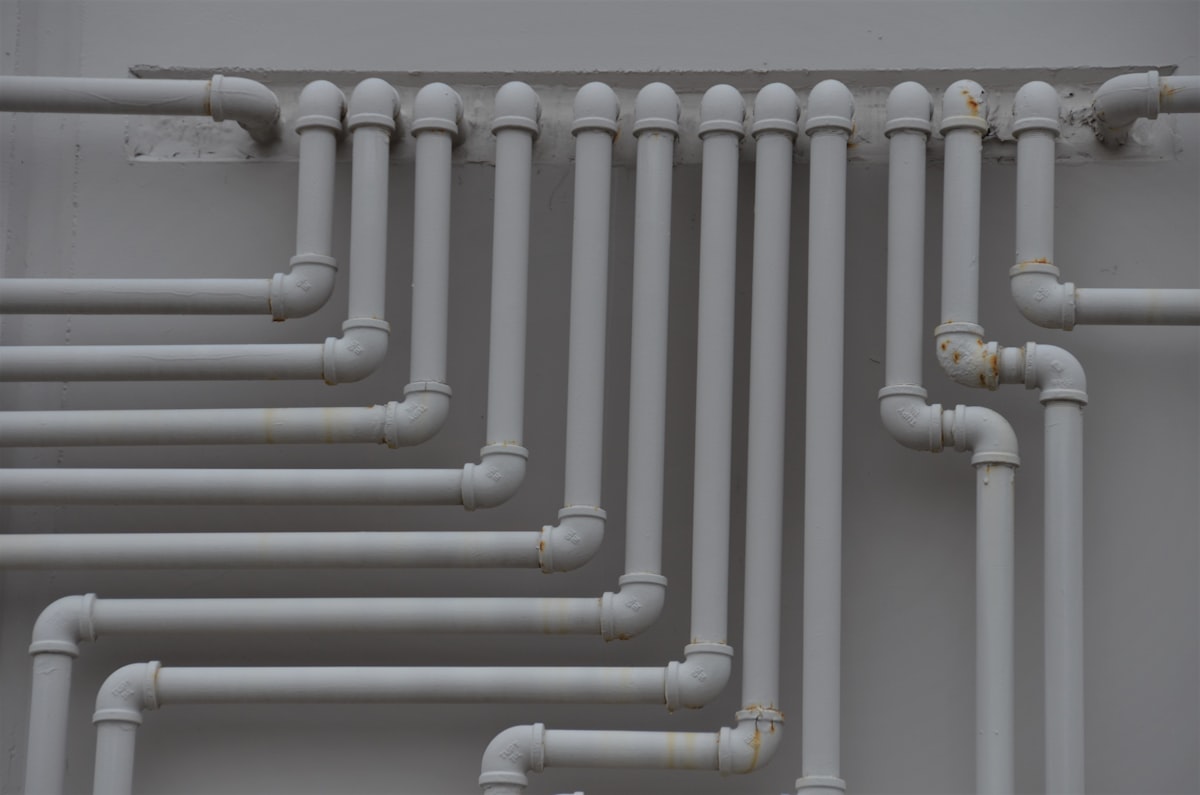
- Enable the delivery of water through pipes, pumps, and plants
Why states are blocking the deal
Four states known as the Upper Basin are currently opposing the move. But they're worried , Colorado, New Mexico, Utah, and Wyoming all fear how the deal allows tribes to lease water, and they're concerned this could set a dangerous precedent for selling water to the highest bidder. It's a stark threat. That could potentially pull more water away from their own future use.
But the tribes say this leasing is temporary. They need it to help pay for the infrastructure required to actually move the water. They have already made concessions on volume and lease duration to appease concerns. Despite these offers, the stalemate remains.
Tribal leaders speak out
Because the tribe straddles two basins, they face unique hurdles that other nations have already cleared.
Other experts agree: this is basic equity. Access to water is necessary for building housing and supporting public health, so without a functional pipeline, critical infrastructure sits idle and useless. Existing pumps are mothballed. And communities still struggle without reliable access to a simple kitchen faucet.
The path toward a resolution
The Supreme Court ruled over a century ago that the federal government owes these tribes water. Yet the fight continues today. Politicians have struggled to find a path that satisfies all seven basin states. Meanwhile, the region faces ongoing drought that makes the situation even more urgent.
"I'm speaking on behalf of my children, my grandchildren and their children that haven't come yet," said Marilyn Tewa, a member of the Hopi Tribal Council. "I hope, in the future, that they will have water."
The future of the Northeastern Arizona Indian Water Rights Settlement Act remains tied to political negotiations in Washington. Supporters hope for a break in the current gridlock. Until then, the focus stays on how to restore aquifers and support the long-term survival of these three tribes.
Will Congress prioritize this funding? The lives of thousands of people depend on the answer.
Frequently Asked Questions
What is the primary purpose of the Northeastern Arizona Indian Water Rights Settlement Act?
The act aims to resolve the largest outstanding claim on the Colorado River and secure water for three specific tribes. It also provides about $5 billion for water infrastructure and creates a formal reservation for the San Juan Southern Paiute.
Why are four Upper Basin states blocking the settlement deal?
Colorado, New Mexico, Utah, and Wyoming fear that the deal's allowance for tribes to lease water could set a dangerous precedent for selling water to the highest bidder. They worry this might pull more water away from their own future use.
How does the lack of water infrastructure affect residents of these tribal communities?
Many residents lack indoor plumbing, forcing them to drive miles to collect untreated water from livestock wells and rely on portable toilets. Without a functional pipeline, critical infrastructure sits idle, and communities struggle without reliable access to a simple kitchen faucet.
What concessions have the tribes made to address the states' concerns about water leasing?
The tribes have already made concessions on volume and lease duration to appease the states' concerns about water leasing. They argue that leasing is temporary and needed to help pay for the infrastructure required to actually move the water.
Who is Marilyn Tewa and what is her hope regarding the settlement?
Marilyn Tewa is a member of the Hopi Tribal Council. She expressed hope that in the future, her children, grandchildren, and their descendants will have water, speaking on behalf of those yet to come.

Valerie Dubois covers public policy and regulation, with a focus on how decisions made by governments affect technology and society. She follows the debates that shape the rules we all live by.
💬 Comments (0)
No comments yet. Be the first!