FAA's Quiet Supersonic Flight Rule: What It Means for You
The FAA is proposing to lift a ban on supersonic flights over the US, but only if aircraft can keep sonic booms quiet enough to avoid disturbing communities below.

FAA Clears the Way for Quieter Supersonic Flight Over Land
Quiet supersonic flight over US cities just got a whole lot closer to reality. The Federal Aviation Administration proposed a new rule on June 30, 2026, that would replace a 53-year ban on commercial supersonic flights over land. The catch? Those aircraft have to be genuinely quiet. Here is what you need to know.
The Old Ban
The FAA first banned overland supersonic flights by civil aircraft in 1973. That came after US military tests in the 1960s sent supersonic jets over cities like Oklahoma City, Chicago, and St. Louis. The noise was too much. The ban stuck for five decades.
The Proposed Standard
The new rule replaces the blanket prohibition with a noise-based certification standard. Any sonic boom overpressure at the surface must stay below 0.11 pounds per square foot. That's a huge drop. Consider this: the Concorde, that old supersonic airliner which flew between 1976 and 2003, created boom overpressure of 1.94 pounds per square foot at Mach 2 and 52,000 feet altitude, so it's a radically different standard now.
A NASA fact sheet suggests that "some public reaction could be expected between 1.5 and 2 pounds" but rules out damage to buildings and other structures at one pound of overpressure.
How We Get There
The proposed standard is based on real flight data. But Colorado-based startup Boom Supersonic demonstrated quiet Mach cutoff flights with its XB-1 aircraft, relying on specific atmospheric conditions and flying just beyond supersonic speeds at higher altitudes. It's a clever trick. The aircraft's shockwaves refract upward into the atmosphere instead of traveling to the ground.
The Push from Washington
President Trump issued an executive order on June 6, 2025, directing the FAA to act. Lawmakers in Congress are also moving. The Supersonic Aviation Modernization Act passed the House on March 24, 2026. That bill would require the FAA to allow overland supersonic flights as long as no sonic boom reaches the ground, and it's still awaiting a Senate vote. But don't hold your breath.
Not Everyone Is Convinced
Critics argue the proposed standard misses the real problem. Dan Rutherford, senior director at the International Council on Clean Transportation, told Aviation Week that the overpressure metric was discarded by United Nations experts in 2014. His reason: it does not actually measure loudness or annoyance.
"I'm honestly surprised that the FAA would propose a rule this weak," Rutherford told the publication.
NASA's Different Approach
NASA's been testing another method for quieter supersonic flight. It's a needle-nosed experimental aircraft called the Lockheed Martin X-59 Quesst, and its airframe is designed to reduce the typical sonic boom to a sonic thump. The agency uses perceived levels of decibels, or PldB, to evaluate sound levels. But the goal is consistently demonstrating sonic thumps around 75 PldB. That would sound like a car door slamming about 20 feet away.
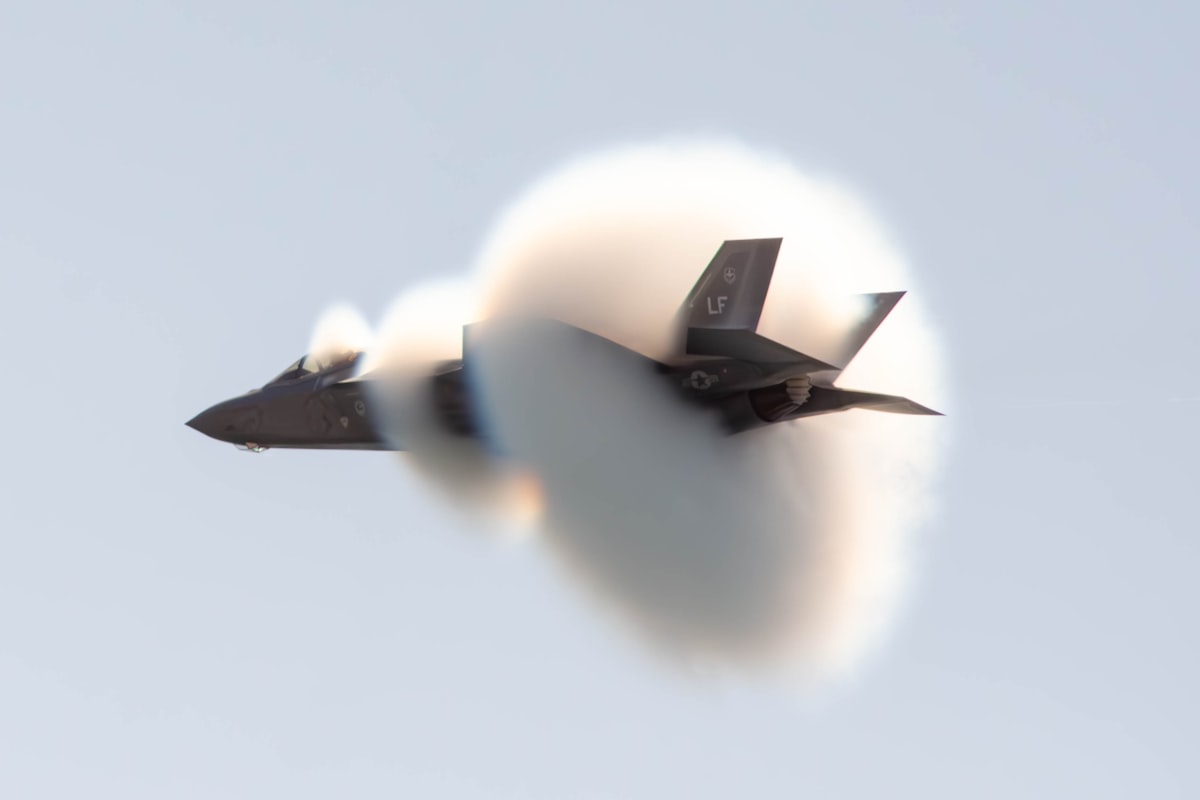
A NASA test pilot told Ars that future supersonic flight tests over US cities and towns would provide community feedback. That's the key. But this data could help inform regulations by civil aviation authorities, shaping how they decide to handle the noise and environmental impacts of faster commercial air travel.
The Road Ahead
The FAA has time to refine its proposed regulations. But they can't rush this. The agency aims to finalize them by mid-2027, and it also plans to propose another rule later this year for takeoff and landing noise standards for supersonic aircraft.
Legalization doesn't guarantee commercial success. The Concorde cut transatlantic flights between New York and London from seven hours to under three hours, but its massive fuel consumption made profit difficult. So the UK and French governments shared more than $2.8 billion in development costs.
Boom Supersonic's Plans
Boom is developing a supersonic airliner called Overture. It's aiming for a 2029 delivery. But the company has already signed commercial agreements with American Airlines, Japan Airlines, and United Airlines, and those deals give the carriers options to purchase the Overture aircraft.
But Boom has pivoted recently. The company shifted focus to produce natural gas turbines to power AI data centers, and CEO Blake Scholl has suggested that revenue from that side venture would help pay for Overture's development costs. United Airlines CEO Scott Kirby gave Boom a "50/50" chance of getting its supersonic airliner flying.
- Old ban: 1973 prohibition on overland supersonic civil flights
- New standard: Sonic boom overpressure below 0.11 pounds per square foot
- Boom proof: XB-1 demonstrated quiet Mach cutoff flights
- Congress action: Supersonic Aviation Modernization Act passed House March 24, 2026
- NASA alternative: X-59 Quesst aiming for 75 PldB sonic thump
- FAA timeline: Final rule expected by mid-2027
Quiet supersonic flight over US cities is no longer a question of if. It's a question of when, and how quiet is quiet enough, as the FAA has set its number and the critics have their doubts. But the clock is ticking toward 2027.
Frequently Asked Questions
What is the new FAA standard for quiet supersonic flight over land?
The FAA proposed a noise-based certification standard that requires sonic boom overpressure at the surface to stay below 0.11 pounds per square foot. This replaces a 53-year ban on commercial supersonic flights over land, and it is a radically lower standard compared to the Concorde's 1.94 pounds per square foot.
Why did the FAA originally ban supersonic flights over land in 1973?
The ban came after US military tests in the 1960s sent supersonic jets over cities like Oklahoma City, Chicago, and St. Louis, and the noise was too much. This blanket prohibition stuck for five decades until the new proposed rule.
How did Boom Supersonic demonstrate quiet supersonic flight?
Boom demonstrated quiet Mach cutoff flights with its XB-1 aircraft by relying on specific atmospheric conditions and flying just beyond supersonic speeds at higher altitudes. This caused the aircraft's shockwaves to refract upward into the atmosphere instead of traveling to the ground.
When does the FAA aim to finalize the new quiet supersonic flight rule?
The FAA aims to finalize the rule by mid-2027, and it also plans to propose another rule later in 2026 for takeoff and landing noise standards for supersonic aircraft. The timeline is set but could be refined.
Who criticized the FAA's proposed overpressure metric and why?
Dan Rutherford, senior director at the International Council on Clean Transportation, criticized the metric because it does not actually measure loudness or annoyance. He told Aviation Week that the overpressure metric was discarded by United Nations experts in 2014, calling the rule weak.

Valerie Dubois covers public policy and regulation, with a focus on how decisions made by governments affect technology and society. She follows the debates that shape the rules we all live by.
💬 Comments (0)
No comments yet. Be the first!